Written with help from MinutesLink - free AI meeting notetaker for online meetings.
Written with support from MinutesLink — a free AI notetaker for online meetings.
For years, people have treated meeting notes like some kind of automatic chore - a necessary evil that just needs to get done. But the truth is that meeting notes are actually a big deal in shaping company culture examples. They affect everything from employee engagement and trust to whether people even know what to do after the meeting.
When you don't have to scramble to write down everything that's being said, people feel more present in the meeting. They feel valued & like they're actually contributing. They're not stuck trying to take notes and contribute ideas at the same time - which is a big deal for team culture and strengthening relationships among team members.
And this is why AI-generated meeting notes didn't just become a productivity tool - they became a tool for building strong company culture, boosting employee morale, and keeping communication on track with transparent communication and effective internal communications. These tools also encourage employees to share ideas freely, fostering a work environment where employees feel connected and engaged.
Additionally, these AI tools provide a user friendly platform that supports gathering employee feedback and helps leaders measure employee engagement effectively. This contributes to a healthy culture where employees feel proud of their contributions and motivated to participate actively in building the company's success.
Every team has someone who secretly dreads meetings because they always get stuck with the notes. And that responsibility adds up - it affects job satisfaction, employee well being & all sorts of other stuff that leaders often don't even notice.
Manual note-taking sucks up all the space for creativity. It blocks people from sharing their knowledge through knowledge sharing. It disrupts the flow of meetings and team meetings. And worst of all, it often means that meetings become a blur of words rather than a chance for real alignment around company goals.
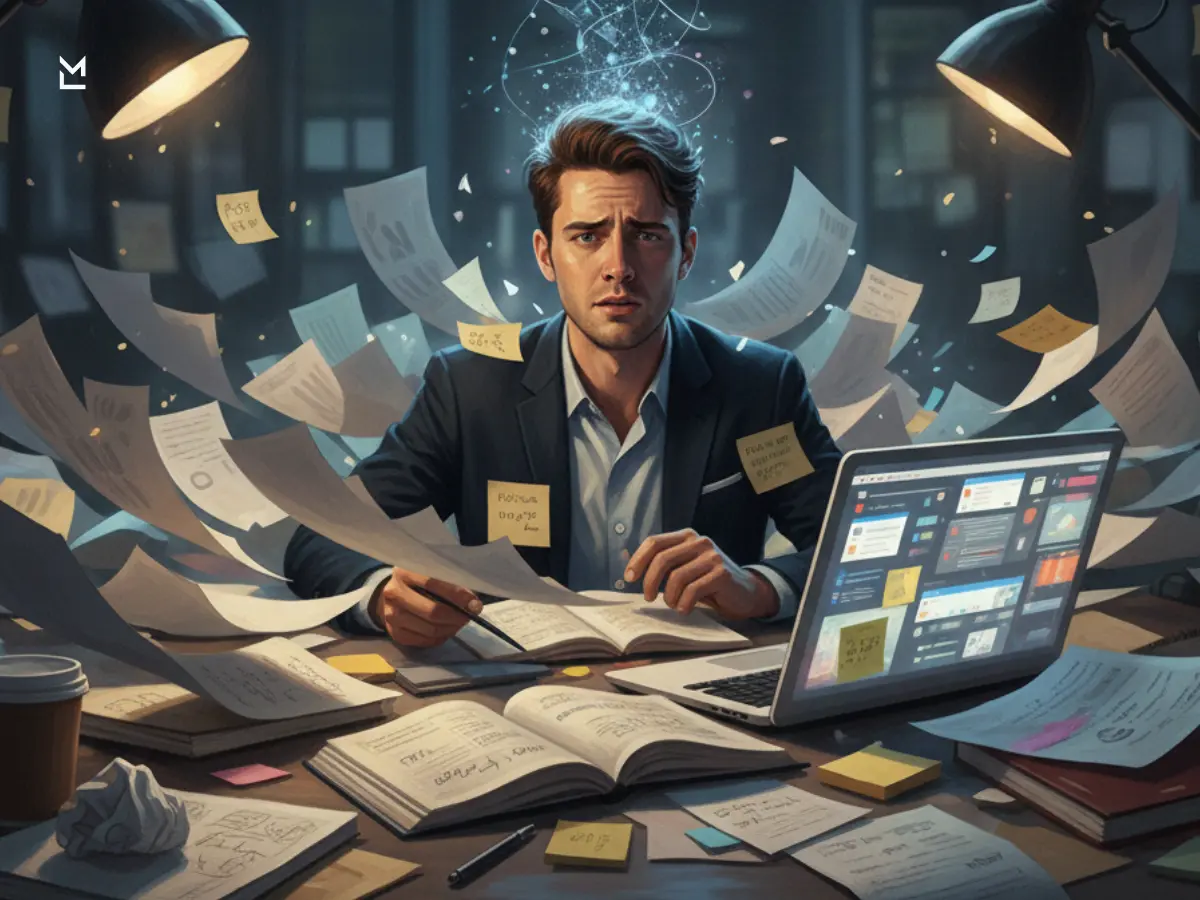
People get frustrated when action items get lost or nobody remembers who was supposed to do what. It's like these small cracks in the glass chip away at the foundations of a healthy culture and organizational success.
AI meeting tools turn it all on its head. Instead of relying on one person to carry the weight, the whole team gets access to a shared record of the meeting. And that completely changes how teams behave - emotionally, professionally, & practically.
The magic isn't just in the transcription - it's in mapping conversations into actual action items, identifying what really needs to get done, and letting people focus on the meeting without sacrificing their attention. This gives teams something they've been missing: clarity and a clear task management approach aligned with project management methodologies.
People feel connected to decisions, not left out of them. Communication tools finally start to work like real communication bridges - not just digital filing cabinets. Clear action items cut down on mental clutter big time. They do a lot to help people find a work life balance by keeping those endless follow-up loops at bay. And they enable leaders to give people a nudge without stepping on their toes.
Tools built with AI do a great job of automatically surfacing these action items, which means employees can finally stop carrying their to-do lists around in their heads. No more juggling a bunch of invisible tasks that nobody's ever talking about, so they can finally get some real work done that makes a difference, contributing to the company's success.
Moreover, these tools foster a culture of accountability and employee recognition by clearly documenting employee accomplishments and action items, which makes employees feel valued and motivated. They also help invite employees to participate more fully in meetings and brainstorming sessions, enhancing team bonding and personal connections.
MinutesLink helps teams turn meeting discussions into clear, shared records without forcing anyone to multitask. It captures key points, highlights action items, and keeps ownership and next steps visible so teams don’t rely on memory or informal follow-ups.
By creating a single source of truth for meetings, MinutesLink supports transparency and trust across teams. Decisions don’t get lost, responsibilities stay clear, and people feel confident contributing - knowing their input will be captured and acted on.
This consistency reduces friction, improves engagement, and helps company culture grow around clarity instead of confusion.
Teams these days aren't just flat out busy - they're drowning in too much to handle. They're trying to navigate the new normal of remote & hybrid work, getting bombarded with shifting expectations, constantly switching between different things and trying to stay on the same page across all these different channels. Meetings used to be the one constant that kept teams connected - but without any clear direction, they just became another source of stress.
Having a clear meeting agenda is essential to keep meetings focused and productive. AI meeting tools can help generate and share meeting agendas automatically, ensuring everyone knows the topics to be covered and can prepare accordingly. This clarity helps teams get back on the same page, feel more connected than disconnected from one another, and reduces meeting fatigue.
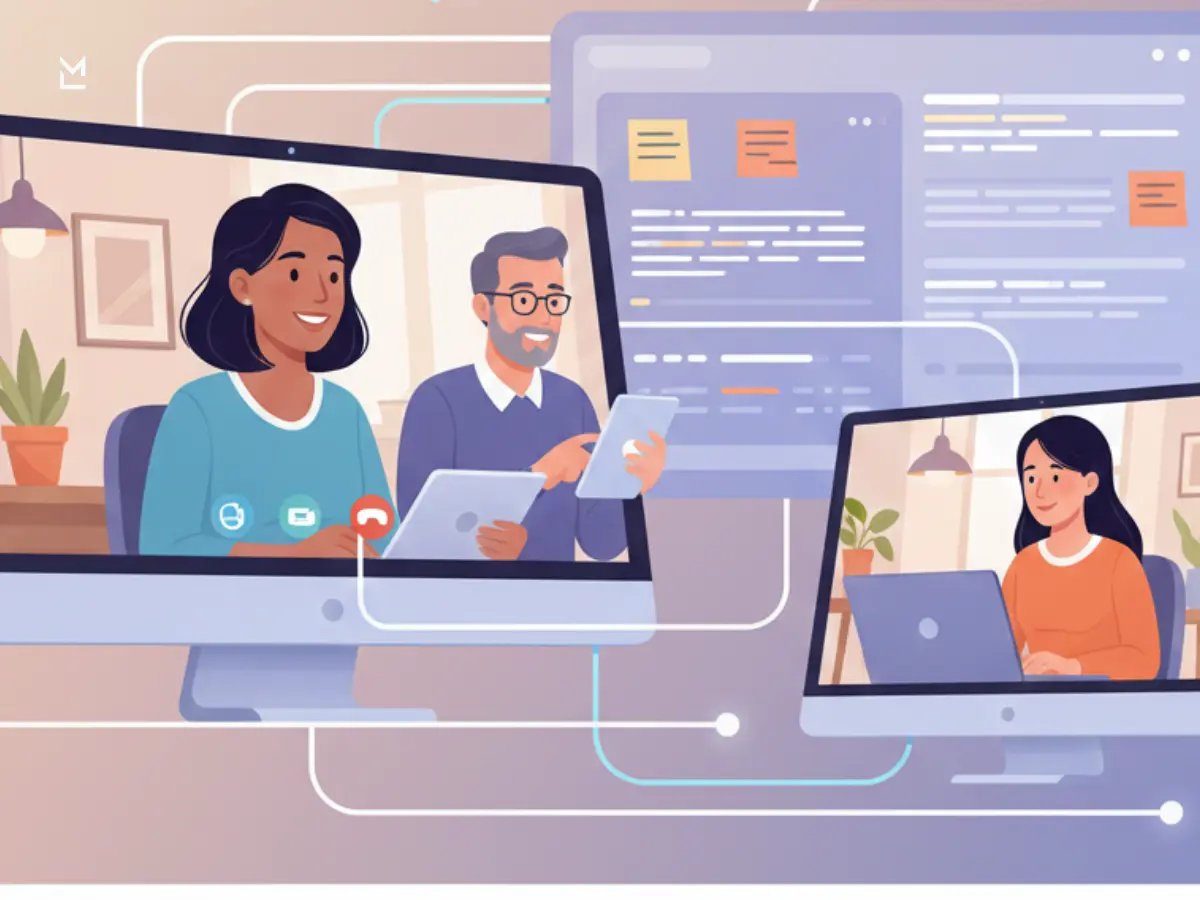
Tools that use AI to power better meetings help teams get back on the same page. They help people feel more connected than disconnected from one another. By taking away that hidden friction that sucks the energy out of people, they increase employee engagement big time and help measure employee engagement through engagement tracking.
And ultimately, they help build on a strong company culture where communication is no holds barred, people expect transparency, and employees can actually do their best work. This fosters employee satisfaction and helps new employees feel welcomed and valued from day one.
There's something magical that happens in a room when nobody is tapping away on their laptop while trying to participate in the conversation. The mood changes. People make real eye contact and respond with laughter, curiosity, and genuine reactions. What you see is a genuine conversation unfolding - no longer a transactional exchange, but a human one that's alive, and actually matters. Colleagues feel they belong in the moment, instead of being miles away either distracted or feeling disconnected.
When employees aren't fixated on capturing every single detail, they can focus on what really matters: getting to know each other, engaging in dialogue and generating new ideas. And when that happens, a deeper connection starts to form, laying the foundation for a solid company culture. Meetings cease being about getting checkboxes ticked off, and instead become the place where ideas flow, trust grows, and employee engagement comes naturally.
In an office where phones keep ringing and interruptions rule the day, people often hold back on sharing their thoughts. Introverts, remote employees and new hires are particularly affected; they may bite their tongue, worrying about making mistakes or getting overlooked. As a result, good ideas are lost, knowledge gets left behind and teamwork suffers.
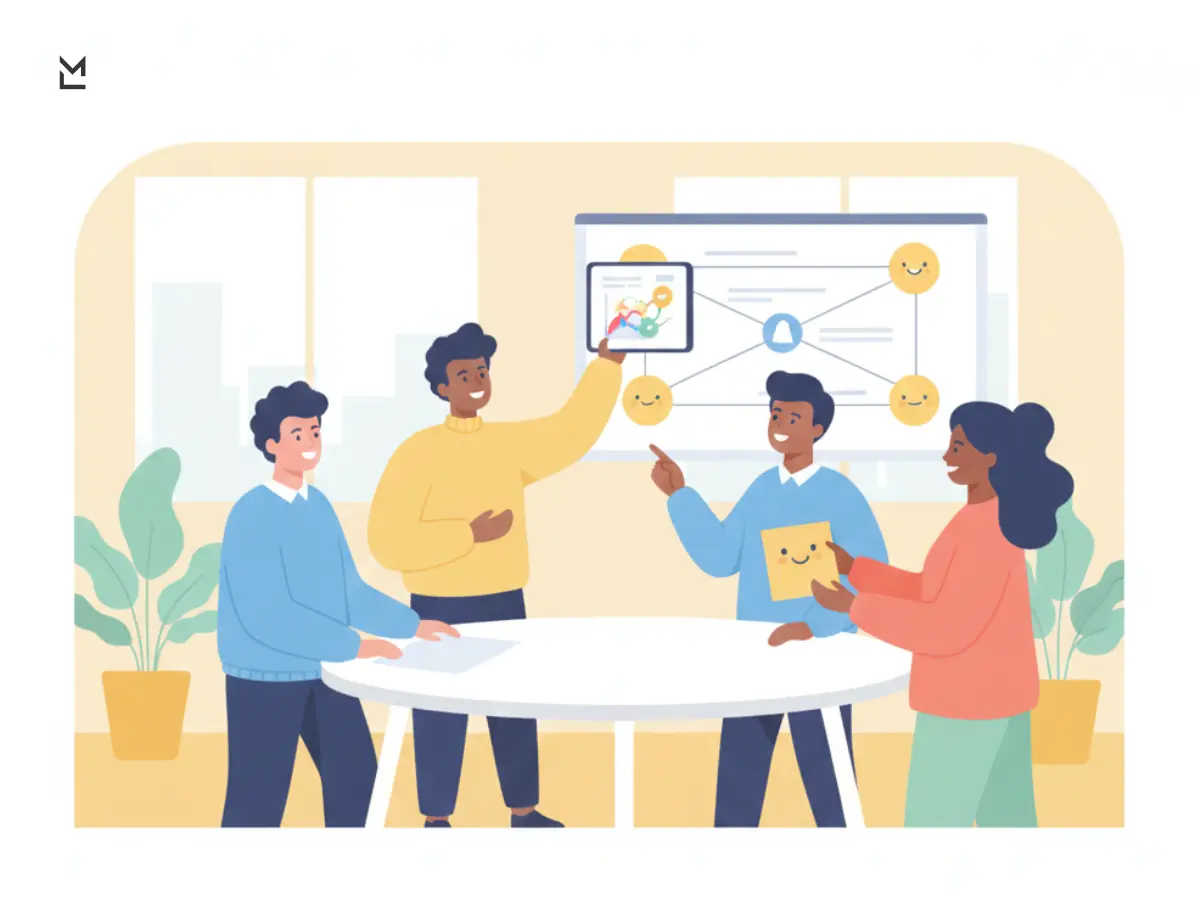
Automated meeting notes can help take that stress away. When employees know the details are being taken care of automatically, they feel safe to speak up. That freedom to contribute without fear boosts morale, encourages some pretty creative thinking and just fosters a more genuine employee engagement. Meetings suddenly become places where everyone's voice is heard, and everyone feels like they belong in the conversation - rather than being a ghost in the background.
This is especially important for promoting diversity and inclusion, as it ensures all voices are acknowledged and valued. It also supports mental health support initiatives by reducing the anxiety associated with speaking up in meetings.
A lot of companies try to boost employee engagement by throwing in some fun employee engagement ideas or offering treats or team-building activities. It's not a bad idea, but it can be a bit superficial. What really drives engagement is clarity - knowing what's expected of you, being kept in the loop, and seeing how your contributions actually make a difference.
When meeting notes are clear, detailed and actionable, employees feel seen and empowered. They can go over their input, see the impact it's had and turn from a pretty passive observer to a full-on collaborator. It deepens company culture, makes sure people get employee recognition, and gives a platform where everyone feels comfortable sharing ideas - all of which can really boost employee engagement naturally.
Clear documentation also serves as a future reference for employees and leaders alike, helping to improve company culture continuously by learning from past meetings and decisions.
Even tiny misunderstandings in meetings can have a ripple effect and quietly erode company culture. If two teams leave a meeting with completely different ideas about what was agreed, productivity suffers, frustration grows, and trust erodes. And over time, all those little misalignments add up, making collaboration harder and undermining organisational success.
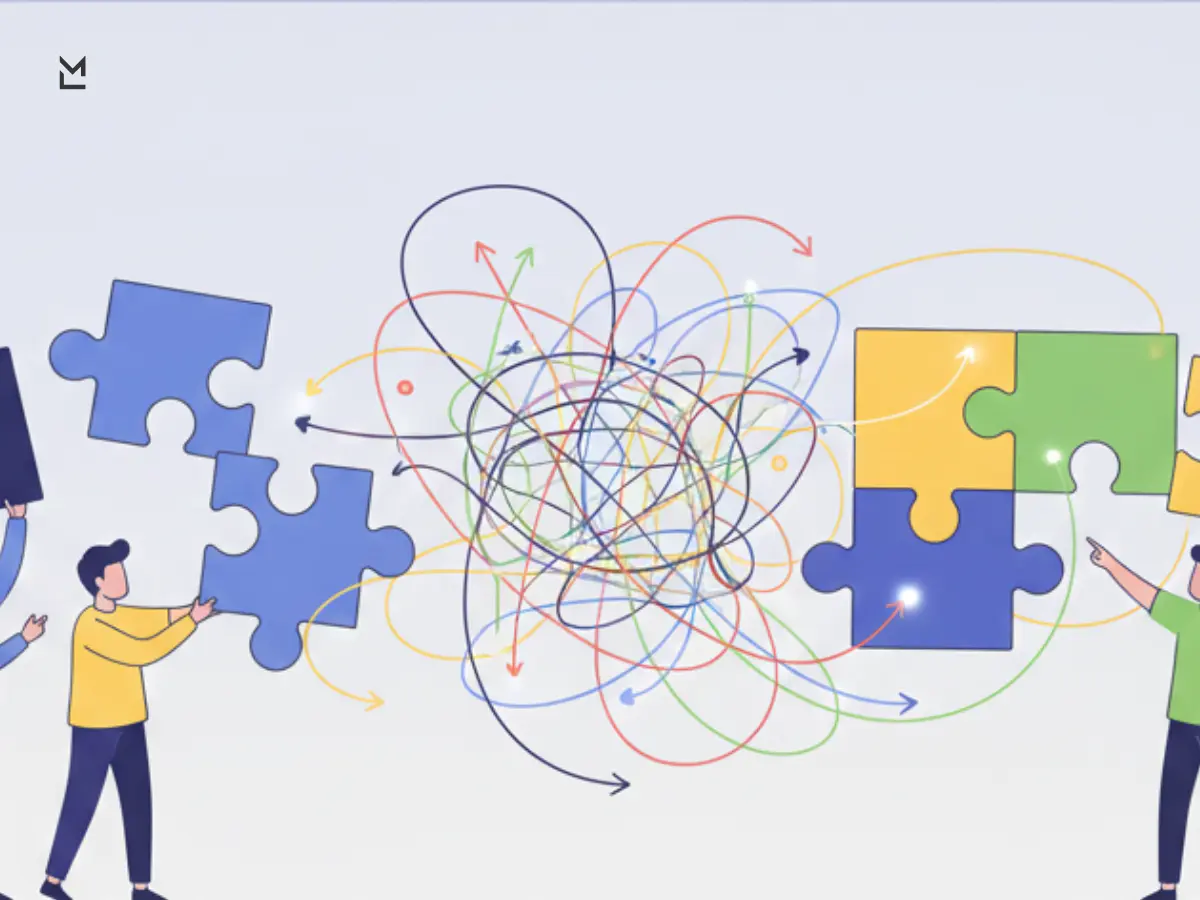
AI-generated meeting notes bring us back on track. By providing a single source of truth, teams can all operate on the same page, reducing confusion and errors. That clarity builds trust, encourages mutual respect and helps keep employee engagement strong by making sure every team member feels in the loop and confident in their role.
One of the quietest stresses that employees face is the fear of forgetting important details - like deadlines, client requests or critical insights shared in a meeting. That nagging anxiety in the background really takes a toll and leaves staff with less focus and less confidence in their work.
AI tools take that worry away. When employees know that every detail is safely recorded, they can focus on the good stuff, rather than chasing after lost details. This calm focus eases workplace anxiety, supports employee well being and contributes to a healthy company culture where employees feel valued and confident.
Unclear expectations are a major source of frustration. People don't mind working hard, but they do mind working in chaos, where action items are vague and decisions just seem to vanish. This uncertainty drains energy, lowers engagement and leads to burnout.
Automated action items eliminate that uncertainty for good. Every team member knows what they have to do, by when and who's responsible too. That clarity removes ambiguity, boosts accountability and creates an environment where people can focus on contributing rather than confusion. The result is higher productivity, less stress, and a more collaborative workplace.
This also supports professional development by ensuring that employees have clear goals and deadlines to work towards, which helps them grow in their roles and feel a sense of accomplishment.
Transparency is often talked about, but rarely achieved. Many companies struggle to keep it up because manual processes are slow, inconsistent and prone to errors - which just creates the perception that decisions are being made behind closed doors, undermining trust and morale.
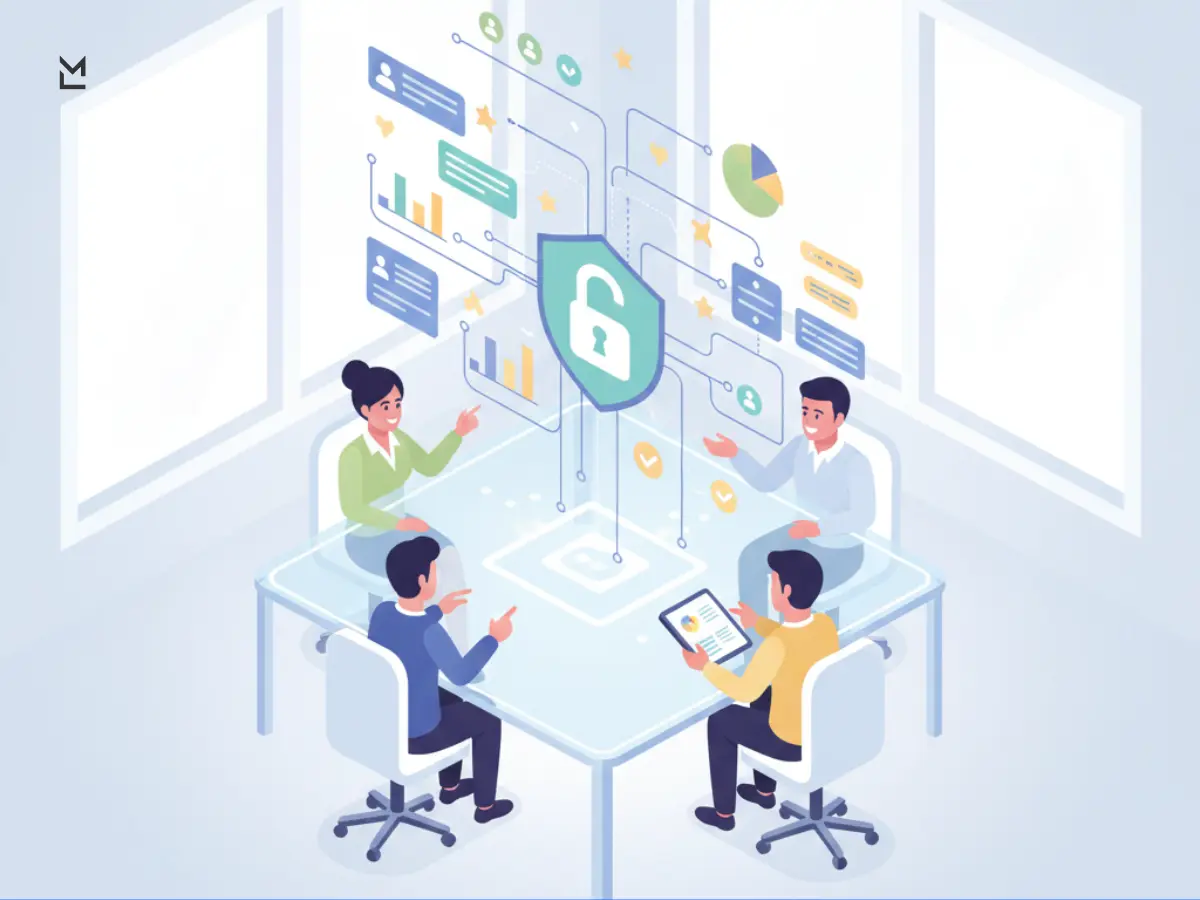
AI-powered meeting tools just make transparency automatic. Decisions get documented, deadlines are clear, and follow-up is sorted. Employees get confidence in the process, feel included in important conversations and trust starts to grow naturally. This consistent transparency strengthens workplace culture and improves employee retention without having to force people to comply.
Trust is something that's inherently human and no technology can just conjure it up on its own. But AI can help remove obstacles that often erode trust, like miscommunications, missed details and mental overload. By providing clarity and consistency, AI just helps human trust to flourish naturally. MinutesLink really shines in this situation. Not only does it take care of automating notes, but it also ensures that every single team member is working off the same page, creating a solid foundation for collaboration. When people are all singing from the same hymn sheet, it breeds trust, people start contributing more openly, and feel more confident in their roles - which in turn, strengthens both the company culture and gets employees more engaged.
Furthermore, AI meeting tools can integrate with employee resource groups and mentorship programs, helping to pair employees for professional development and fostering a sense of belonging within the local community of the organization.
A meeting agenda is so much more than just some topics scribbled on a page - it's a road map that helps keep your meetings on track and on purpose. First off, figure out what the meeting is all about. What decisions do you need to make? What problems do you need to discuss? And what information needs to get shared out. Break your agenda down into manageable chunks, set aside specific blocks of time for each topic and if needed assign some roles (like a note-taker or a presenter). Give everyone a heads up on the agenda ahead of time, so they can prepare, dig up any relevant data they might need and show up ready to contribute. When you've got a solid agenda in place, meetings tend to stay focused, people waste less time sitting around waiting for things to get going and it sets the tone for a collaborative and productive discussion.
Action items are the specific things you need to get done after a meeting, the tangible tasks that are going to help move your projects forward. They're the kind of thing that answers the question - "What does what, get done by when?" Each one should be crystal clear, easy to measure and assigned to the right person, with a clear deadline attached. When you break down discussion like that into tangible action items, it turns abstract conversations into concrete outcomes and makes it clear who's responsible for what. And when you've got a shared view of your action items as a team, you can all see exactly where you should be focusing your energy, avoid getting bogged down in confusion and improve overall performance.
Employee engagement ideas are all about coming up with ways to motivate your staff, boost morale and make them feel like they belong. Some ideas that work well include recognising and rewarding their achievements, giving them chances to grow and develop, making sure they feel heard and have a say in things and giving them real responsibilities. You could try running brainstorming sessions, setting up mentorship programs or having regular team lunches, or if you're looking for something a bit more low-key then you could try simple things like peer recognition or celebrating project milestones with some cake and a drink. The key is to be consistent. When your employees feel seen, valued and connected to what the company is trying to achieve, engagement tends to follow naturally.
Communication tools are the platforms, software and systems you use to help your team share information, stay aligned and get work done. They could be anything from a simple email or messaging app to a project management tool or a video conferencing platform - and there are heaps of other tools out there too. Their purpose is to make collaboration easier, reduce misunderstandings and provide a record of what's been talked about and what's been decided. When you use them thoughtfully, they can really help improve transparency, make it easier for people to share information and support your team in staying productive - no matter where they are working from.
Company culture examples are the real-life things that show how a company really operates, day in day out. Instead of just telling people about the company's values, try showing them in action. Show them how teams work together, how feedback is given and how employees are recognised for their achievements. You could highlight company rituals and celebrations, mentorship programs, onboarding approaches or other things that demonstrate how the company's values are lived in practice. When you do that, it gives current and prospective employees a real sense of what working with your company is like and how you support engagement, well-being and shared purpose.
Trusted & Secure


.webp)


.webp)
.webp)
.webp)
%201%20(2).jpg)