Written with help from MinutesLink - free AI meeting notetaker for online meetings.
Written with support from MinutesLink — a free AI notetaker for online meetings.
In a lot of organisations, communication seems to be flying high during the call. Everyone's sharing ideas, there's a good vibe going on and the team seems pretty aligned. But then the meeting ends, and something strange happens. The notes get scattered, people start interpreting things a bit differently and what seemed like a clear agreement is suddenly all up in the air.
That gap between talking about things and actually writing down what was agreed on is where good communication in the workplace really makes or breaks things. When teams don't make an effort to follow up, even the best verbal communication skills aren't going to prevent misunderstandings from creeping in. People remember things in different ways and without any written communication to back up what was said, assumptions just start getting in the way.
Communication in the workplace isn't just about speaking clearly in team meetings. It's about making sure that everything that was discussed actually turns into clear plan, clear expectations and clear timelines. Without that bridge, even the good communication starts to turn into pointless communication pretty quickly.
This is why many teams rely on tools like MinutesLink to automatically capture decisions and action items before they disappear into scattered notes and conflicting interpretations.
Bad communication doesn't just suddenly appear out of thin air. It's more likely to pop up a bit later on as missed deadlines, duplicated effort, or a bit of subtle frustration between team members. A team member might think that someone else is taking care of a particular task, another might think their input didn't get any notice. These little cracks start to weaken the whole work environment and negatively impact company culture.
When team members don't really understand what's going on, poor communication starts to create conflict. And that conflict isn't always obvious. It often looks like - on the surface at least - everyone is on the same page, but in reality they're just operating on totally different interpretations.
Over time, ineffective communication starts to affect employee engagement and job satisfaction. When employees understand their responsibilities clearly and they can see how it all fits into the bigger picture, they tend to feel a lot more invested in what they're doing. But when they can't see the bigger picture, it all just starts to feel like a meaningless task.
Team meetings are often where communication in the workplace starts to get really visible. This is where business leaders outline the strategy, staff members get a chance to voice concerns, and teams get to work together to overcome challenges.

The way teams communicate in meetings varies loads - some teams rely a lot on verbal communication and others use visual communication aids like slides and dashboards. Body language is a huge part of how you get your point across. Nonverbal communication cues like tone of voice, eye contact, and facial expressions can often carry a lot more weight than words.
Even in video conferencing settings, nonverbal cues can still make a big difference. In remote teams, a slight shift in tone or a moment of hesitation can be a sign of a communication barrier that isn't immediately obvious.
These barriers don't always come up right in the middle of the meeting. They're more likely to show up when you're trying to follow up. Someone might be hesitant to clarify something because they feel like they're not safe to ask for help. Or another might misread the tone of an action item and think a bit of constructive feedback is actually constructive criticism.
Different communication styles can also start to cause friction. There are four communication styles - analytical, driver, amiable and expressive - and each one interprets clear communication a bit differently. What feels crystal clear to one person might feel abrupt or incomplete to another.
Good communication in the workplace is all about recognising these different communication styles and making an effort to understand each other. Follow-ups are a really powerful way to smooth those differences out before they start causing problems.
Effective communication skills aren't just about speaking in a clear way. They're about paying attention, actively listening to what's being said in the meeting and documenting the decisions in a way that makes sense to the team.
Active listening is a big part of that - it allows team members to get to the bottom of what people really mean, rather than just what they're saying. Emotional intelligence also plays a big role in interpreting tone and intent, especially in difficult conversations.
When leaders can demonstrate good communication skills in one on one conversations and performance reviews, it helps reinforce a culture of open communication. And that culture just naturally filters into the follow-ups.
There's a big difference between taking detailed notes and actually making sure that everyone's on the same page. Many teams take loads of notes but fail to actually say what's most important.
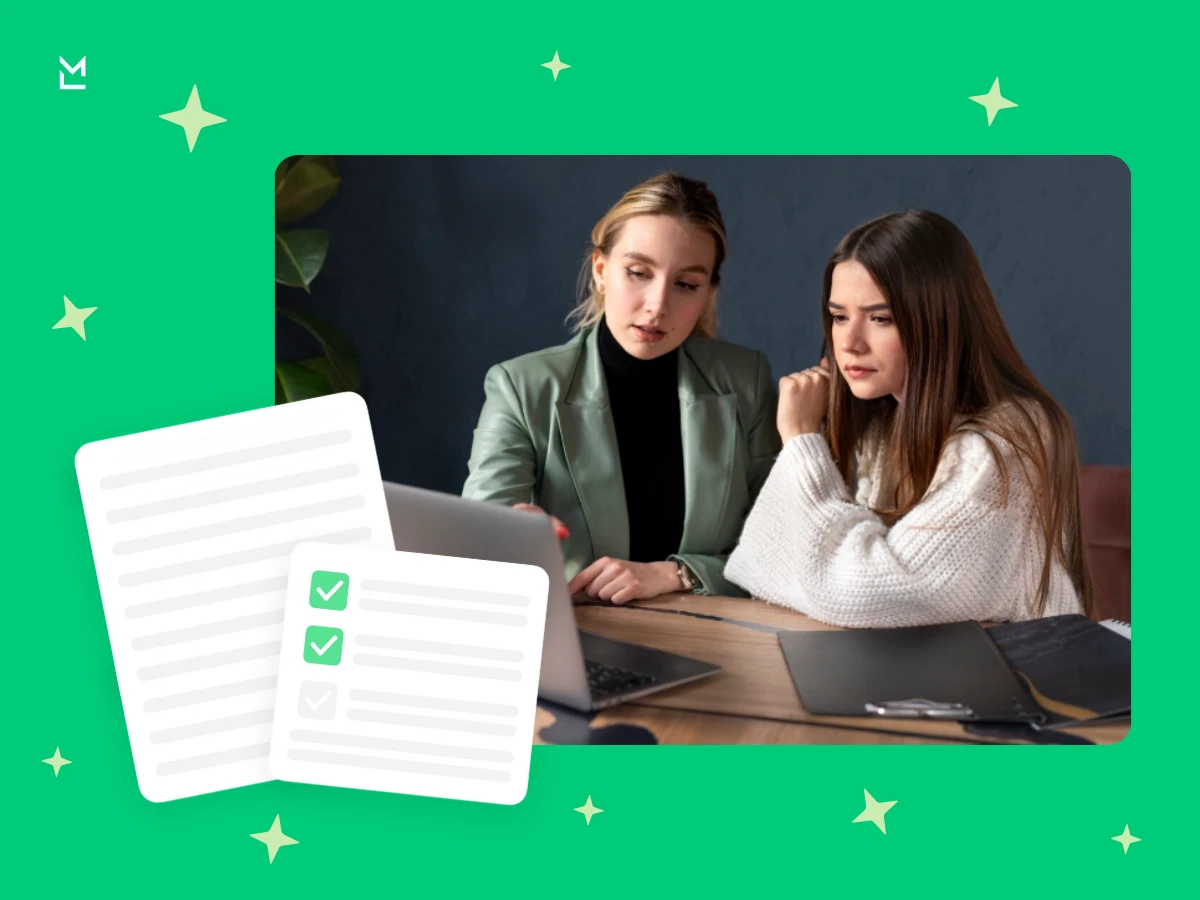
Good communication in follow-ups is all about focusing on decisions, who's responsible for what and deadlines. It helps cut down confusion and creates a really positive work environment. Communication that's important to progress isn't really about volume - it's about being precise and using an appropriate tone.
When communication channels get clogged up with unnecessary summaries, employees struggle to pick out what's really important and what's just background noise. And that's when effective communication just turns into noise.
A strong workplace communication strategy doesn't just treat follow-ups as a nicety - it actually treats them as part of the business infrastructure.
Business leaders who really care about effective workplace communication create systems where decisions get tracked consistently. This might involve shared documents, communication tools or structured meeting summaries. And when you've got a system like that, you're much more likely to end up with a team that's on the same page, and that's exactly what good communication is all about.
Written communication - let's face it, it's been an afterthought too often. But the bottom line is that it's a vital part of workplace communication, the foundation of making sure that discussions actually mean something when the meeting is over.
When teams nail written communication, they avoid a whole lot of miscommunication. A simple, clear summary that outlines who's doing what and by when creates accountability without coming off as all accusatory.
Of course, the tone is everything. Your written follow-ups need to be supportive - not controlling. When you get it right, they feel like a helpful nudge rather than some kind of Big Brother.
Remote working has completely changed the game when it comes to workplace effective communication. Video conferencing tools let teams connect wherever they are in the world - but they also make us a whole lot more reliant on written communication.
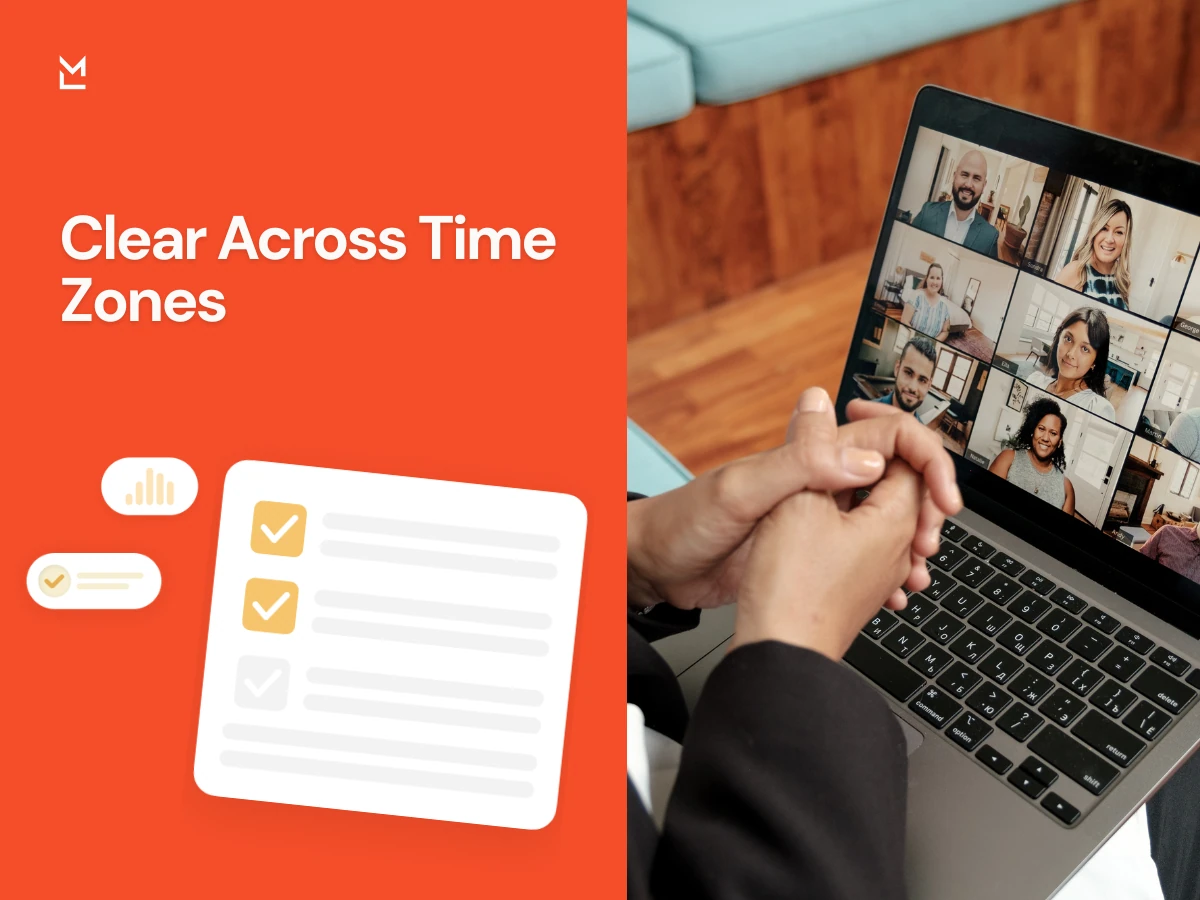
Without the casual hallway conversations or informal clarifications that used to happen in an office or physical location, poor workplace communication spreads way faster. Clear follow-ups can really help overcome the challenges that come from being in different time zones or getting digital fatigue.
Effective communication in remote working settings really does depend on good communication tools that can capture decisions accurately and distribute them neatly.
That's where structured meeting documentation really comes in. Tools like MinutesLink can help teams communicate effectively by turning discussions into clear summaries and action items automatically.
Rather than relying on memory or clunky notes, teams can use MinutesLink to capture what was said during a meeting and turn it into clear written communication. That reduces the risk of poor workplace communication and keeps everyone in the loop.
By making follow-ups easier, MinutesLink really does help teams communicate without adding too much admin.
Effective communication in the workplace really does have a direct impact on whether an organisation becomes a successful business. Decisions that are tracked and executed consistently drive tangible results.
Communication in the workplace isn't abstract - it affects timelines, budgets and customer satisfaction. Clear follow-ups prevent costly misunderstandings.
When teams communicate clearly and reinforce decisions through structured summaries, they get movement and increase employee engagement.
Communication doesn't stop when someone asks if there are any other questions. It keeps going through written summaries, task updates and feedback loops.
Effective communicators understand that when it comes to meetings, what happens after the meeting is just as important as what happens in the meeting itself.
When communication is treated as an on-going process, and not just a one-off event, organisations find themselves building stronger relationships between colleagues and a work culture that's more resilient as a result.
Long term success relies on more than just loud statements or grand gestures. It relies on being consistent, thoughtful, and structured in the way that you communicate.
When companies put their money into workplace communication that actually works - active listening, constructive feedback, good communication tools for the job - communication levels improve across the board. And that means less poor communication, fewer pointless conflicts, and a culture where everyone understands how they fit into the bigger picture.

In the end, it's not just about talking well in the workplace - it's about making sure that every decision made in a meeting actually gets the business moving forward - and that happens because you're following up intentionally, clearly, and with a human touch.
Communication becomes a top priority in the workplace after a meeting because thats when all the good decisions start to get put into action. Without any clear follow up, written communication or defined ownership, you can have all the productive discussions in the world but still end up in a mess.
Effective communication ensures that every single employee knows what's expected of them, what the deadlines are, and what their responsibilities are. When teams actually document their decisions clearly, it helps cut down on misunderstandings, raises the bar for accountability and generally keeps projects moving.
It's common for communication issues to come in when you've got unclear expectations, vague language and people having different communication styles. You end up with team members heading out of a meeting with totally different ideas of what was agreed on - no one's really on the same page.
And it's even tougher in remote teams where you're missing out on nonverbal cues and body language - clear follow up, a bit of psychological safety and documenting decisions in a structured way can really help you get on top of these issues before they turn into conflicts.
Making communication actually work in the workplace is all about practicing active listening in meetings and sending some clear follow up afterwards. When you've got written communication that outlines decisions, owners and deadlines, it really helps to get people on the same page.
Using communication tools to grab key points can also help speed things up and reduce all the small stuff getting in the way. It's consistency that's what turns good communication into real team performance.
Different communication styles can really affect how people interpret clarity. Some people like a concise summary, others need a bit more context and detail - if you're not matching up your follow up to people's communication styles you can end up with misunderstandings.
Recognizing that people have different communication styles is a big part of being able to communicate effectively and avoid all the unnecessary conflict.
A top-notch workplace communication strategy all starts with clear communication channels, consistent documentation and tools that can actually help you track decisions. It's all about treating follow up as just part of the daily grind, not some extra task.
When you've got a communication strategy that's all about being structured and transparent, that's when you tend to see employee engagement go up and the whole team is on the same page.
Trusted & Secure


.webp)



.webp)
.webp)
.webp)
%201%20(2).jpg)