
Written with help from MinutesLink - free AI meeting notetaker for online meetings.
Written with support from MinutesLink — a free AI notetaker for online meetings.
Action items are the tiny things that get the actual work done, but they're also the ones that carry the weight of your business goals on their shoulders. When they're vague, sloppy or not connected to the bigger picture, even the most brilliant strategy is going to end up flat on its face. Teams might look like they're getting loads done, but in reality they're slipping behind, missing deadlines, and it's becoming a nightmare to keep tabs on what's going on.
Studies on project management show that getting things done is all about being crystal clear on what needs doing, who's doing it, and when - rather than having a grandiose idea. What really makes a difference isn't having loads of meetings, but making sure your action items are properly thought out and survive the whole project process from start to finish.
An action item isn't just a scribbled note to yourself, it's a promise to actually do something that you've taken the time to plan out. When teams don't take action items seriously, they're setting a ticking time bomb for disaster across the whole project. If nobody's clear on who's responsible for what, by when and with what resources, things are going to start to fall apart.
Top teams take every discussion and convert it into a clear, actionable plan that's aligned with their project goals and business objectives. This way they can track progress without getting bogged down in the basics or constantly realigning who's doing what.
Looking at loads of different businesses, one thing sticks out: action items fail when they're not plugged into project tracking systems. Teams might assign tasks verbally, but without a proper system to manage them, those tasks just vanish into thin air or get lost in a sea of to-do lists.
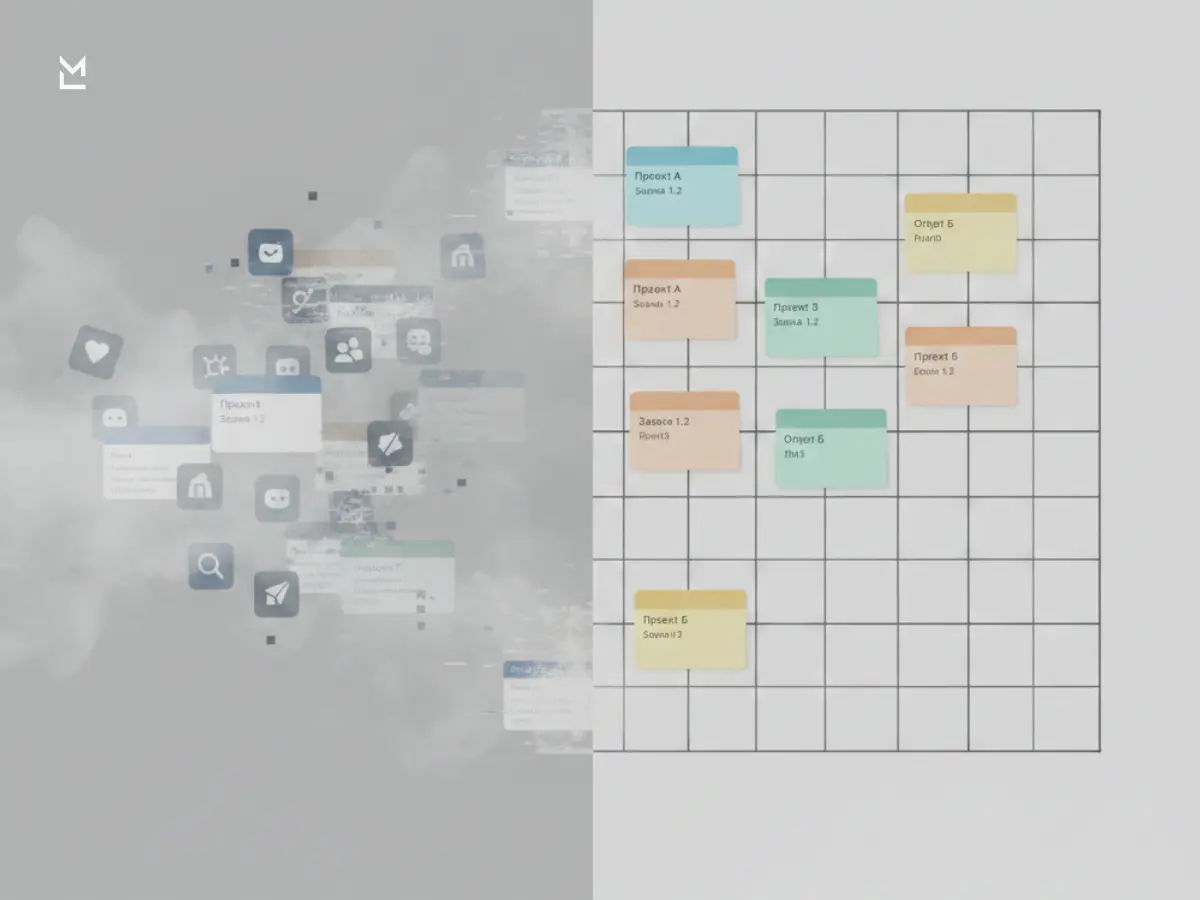
Projects that have clear action plans and properly documented implementation plans are way more likely to meet their targets. It's not about motivation - it's about being able to see what's going on and spotting problems before they spiral out of control.
Project management is often broken down into planning, execution and monitoring, but at the end of the day, action items are what tie the whole thing together. They're what turn strategy into action and action into actual results. Without them, even the best project plan is just a bunch of hot air.
Effective action plans rely on action items that are tangible, achievable tasks rather than some vague goal. That might sound obvious, but it's actually really, really important, because when teams are clear on what they're trying to achieve, they can actually get on with doing it.
One thing that leaps out from project data is that clarity is key. When project managers assign tasks with clear outcomes, deadlines and a clear idea of who's responsible, teams get things done faster and with less hassle. This clarity also helps teams make the most of their resources, because they can see exactly which tasks need what.
Clear action items also make it easier for external stakeholders to get a handle on where the project is at, without needing some lengthy explanation. Transparency builds trust and keeps everyone on the same page throughout the project.
Vague action items create a whole lot of "invisible work". Team members spend loads of time trying to clarify expectations, track down info and correct stuff that's gone off track. This saps the energy from actually getting work done and creates loads of extra work just trying to keep on top of time.

Over time, this sort of ambiguity starts to damage project outcomes. Teams look busy but actually nothing much is happening. Data shows that projects with poorly defined action items are plagued by loads of scope creep and rework.
Having more data doesn't automatically make better decisions. Actionable insights come when teams structure information around actually getting things done. When action items are clear and connected to project management software, patterns start to emerge.
Leaders can see which tasks are consistently slipping, where resources are getting stretched too thin and where the project timeline is at risk. This supports data-driven decision making, rather than just firefighting as it happens.
The project manager is the one responsible for keeping the project from going off the rails. They're not there to micromanage or be some all-knowing taskmaster - their job is to keep an eye on the bigger picture and make sure the plan is still doable. That means keeping tabs on progress, spotting potential speed bumps before they become roadblocks, and keeping the rest of the team on the same page.
When project managers focus on being clear and transparent, they give the team a sense of assurance & confidence. They know what success looks like, how they're going to measure progress against it, and how all their individual work fits into the overall plan.
Finding the right balance of work for each team member is a tough trick to master. Give one person too much to do & the whole project will grind to a halt - spread things out too thin and nobody knows who's responsible for what. It's no secret that getting the balance right is key to getting things done both quickly and correctly.
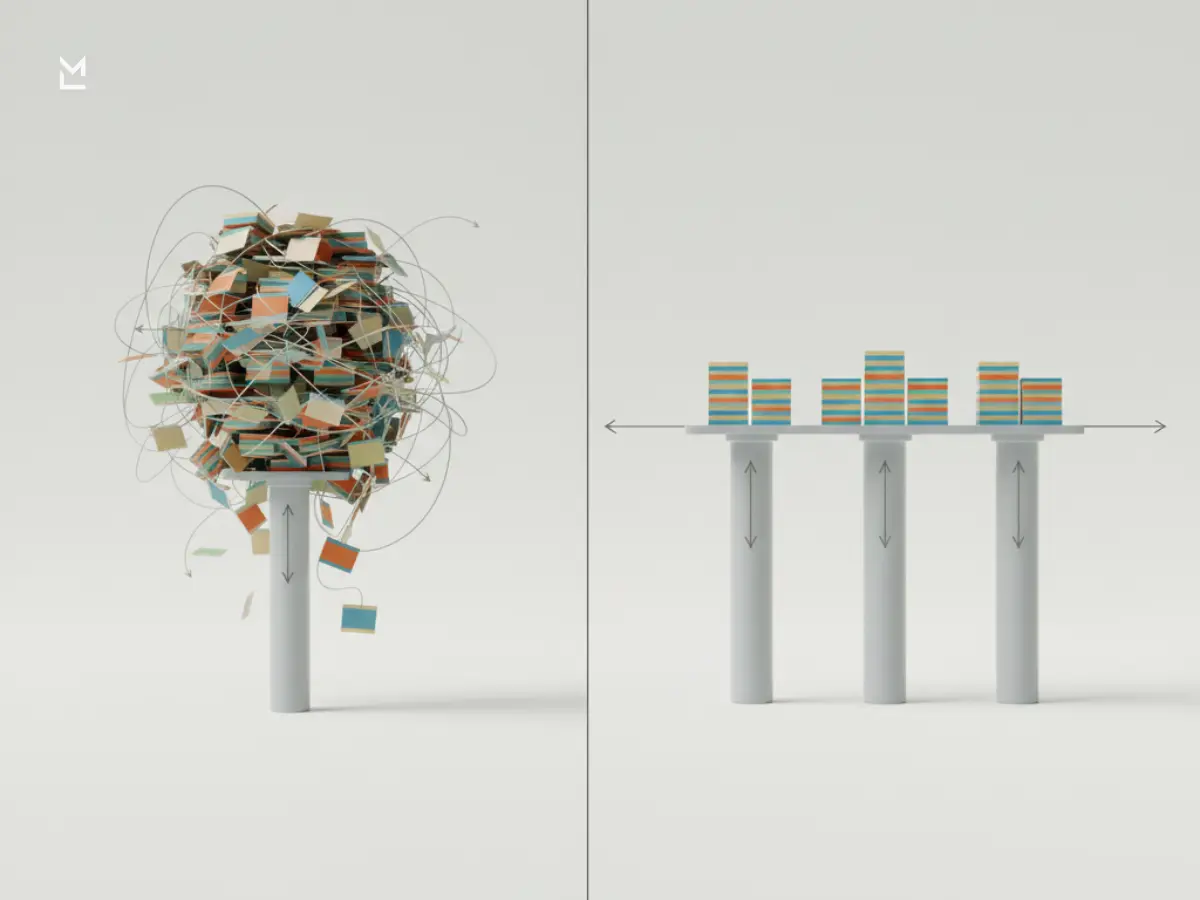
Having clear ownership of tasks lets the team see what needs to be done without having to check in with each other constantly. When priorities change or unexpected problems pop up, shifting gears becomes a whole lot simpler.
One of the biggest worries teams have is that they'll be micromanaged if they have to track progress - but in reality, it's the opposite. When progress is visible, teams spend way less time reporting and way more time actually getting things done.
Modern project tracking is all about outcomes, not just ticking off activities. By tracking progress against the specific action items you've set out, teams can see how they're doing without getting in the way of their actual work.
Action plans often hit the skids when projects move from planning to execution - or when they move from one phase to the next. Action items get lost in the shuffle and stop being connected to the bigger goals. Without a solid plan for actually implementing the project, things tend to fall apart.
The numbers show that successful project teams have a habit of going back and revisiting their action items at each phase of the execution phase - so they can make sure they're still on track & adjust their timelines as needed.
Meetings are where a lot of action items get born, but also where a lot of them get lost in the ether. When discussions end without a clear plan for follow-up, all that valuable insight just disappears. That's where tools like MinutesLink come in - they help capture decisions & turn them into action items that teams can actually see & track.
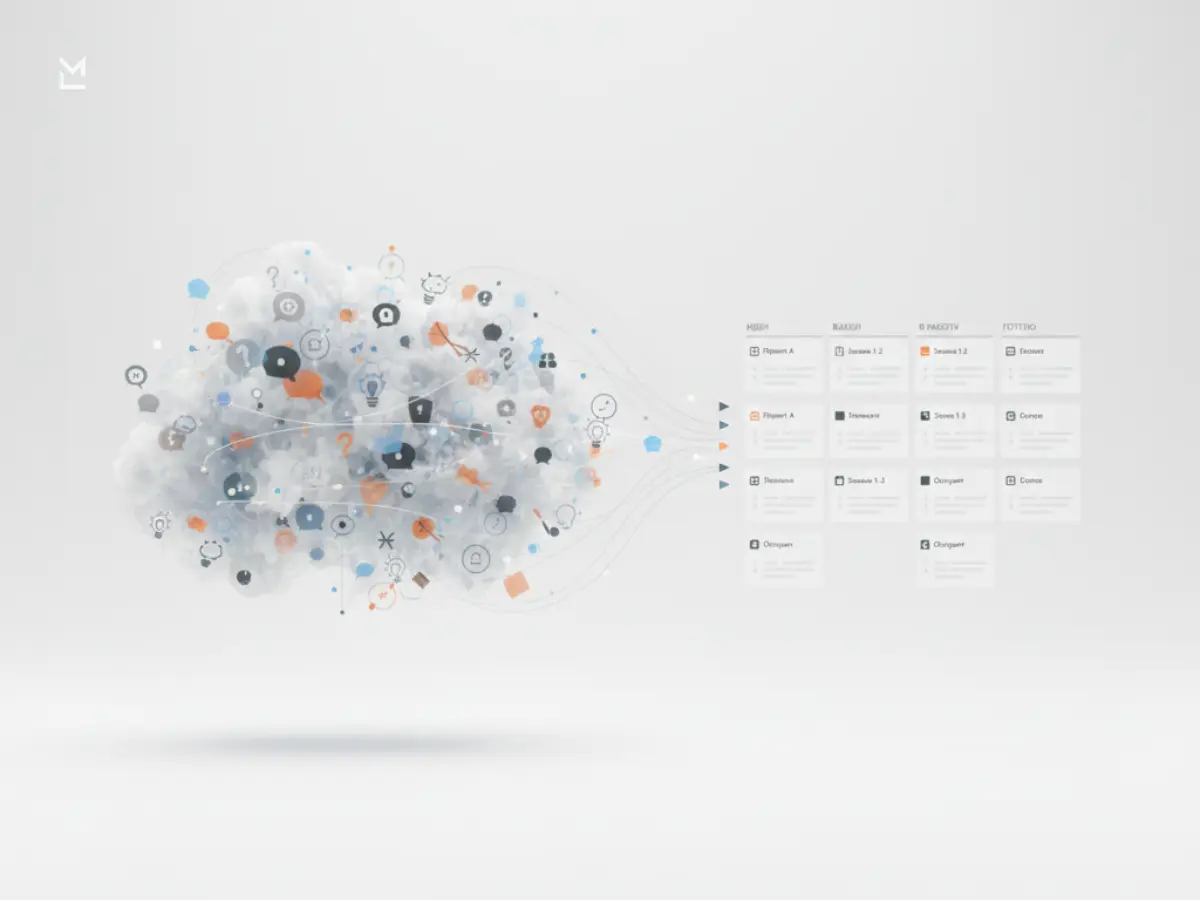
By getting away from relying on memories and scribbled notes, teams can save a ton of time & keep things clear all the way across the project execution process.
Risk assessment is often seen as a separate exercise, but in reality, action items are where many risks tend to reveal themselves. When tasks start to slip or dependencies start piling up, it signals potential problems on the horizon. Teams that can identify potential risks early are able to adjust timelines, reassign resources or even redefine the project scope without jeopardizing the whole project.
Action items shouldn't just exist on their own - each one has to tie back directly to the project objectives & overall business goals. This connection ensures that every effort contributes meaningfully to outcomes rather than just generating activity. When teams understand why a particular task matters, they become more engaged and motivated - seeing their work as part of a larger project rather than a disconnected series of tasks.
Alignment doesn't come from loud pep talks or motivational posters - it comes from shared visibility. When the whole team can see the action items, project status, and progress, collaboration gets a whole lot easier. Having that shared understanding helps cut down on duplicated work & lets teams across the org (whether that's a marketing team, product team, or sales reps) all move in the same direction.
Progress should be measured consistently across the project timeline - & action items are a natural place to do that. By using project management tools to generate reports, teams can review progress without having to constantly update the project day-to-day. These reports give teams the detailed information they need to make smarter decisions.
Motivation is fleeting - but tools are always here to help. Teams that rely on discipline alone tend to struggle to stay on top of tasks over long periods. Good project management software actually creates a structure that supports consistent action.

The best tools don't clutter things up - they actually eliminate friction by centralizing information, tracking progress, and making action items visible for all to see.
Individual tasks may seem insignificant on their own, but put them all together and they determine the outcome of the whole project. When action items are lined up properly and tracked, it creates momentum.
Projects succeed when teams understand how one task fits in with another and how their work contributes to the entire project.
Projects that have already been completed are a treasure trove of insight. By reviewing action items and project progress data, teams can spot patterns that lead to success or failure. These insights can inform future strategic plans and help teams refine their approach to project management.
When you're in the execution phase, it's where projects are either won or lost. After planning, energy tends to flag - which is why having clear action items is so darn important. Consistent monitoring and clear ownership help prevent teams from burning out and losing momentum. Keeping that focus ensures that projects stay on track and progress steadily toward their goals.
Scope creep often sneaks up on us when we're not paying attention - with tiny tasks that we never even bother to track. By breaking tasks down and setting clear boundaries through action items, we can define what's included and what's not. If changes do come up, we can update our plans intentionally, rather than just letting the scope expand quietly without us noticing.
Action items are also a top tool for communication - they tell everyone what to expect and what needs to happen. When things are clear, you don't need to worry about having to follow up and ask questions all the time. This clarity is a huge help when we're working with other teams or stakeholders outside of our own.
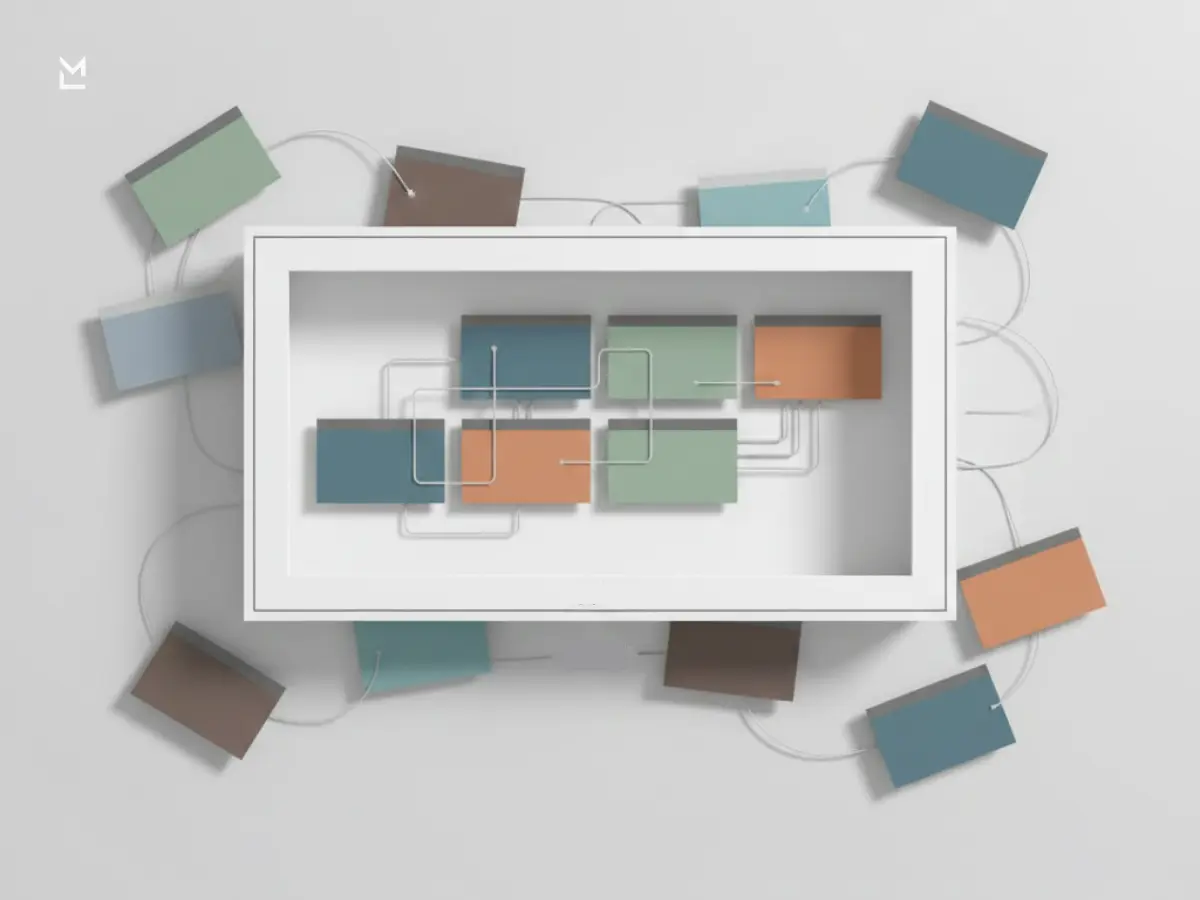
The best execution tools work quietly in the background, making things easier for the team. For example, MinutesLink turns conversations into action items and workflows that we can track without having to do extra work. This means we can focus on getting things done, rather than getting bogged down in paperwork.
At the end of the day, it's action items that connect strategy to execution - and execution to outcomes. Without them, projects just drift aimlessly. Follow-through isn't just about getting things done - it's a skill that requires strategy. When we master execution, we outperform our competitors who just come up with ideas but can't see them through. It's all about where strategy meets reality.
People do their best work when systems handle the details for them. By capturing decisions, tracking tasks, and monitoring progress, tools like MinutesLink let teams focus on the thinking, creating, and executing - with confidence. It's all about creating systems that make execution calmer and more reliable.
If we do action items right over the long term, it shapes the culture of our organisation. We become more trustworthy, our projects get more predictable, and our goals become more achievable. This is how we move from chaos to consistency.
Perfect follow-through doesn't mean we never make mistakes - it means we see what's going on, we adjust, and we learn. Action items give us the structure we need to see, adapt, and move forward together. This is how we improve execution.
In the end, success isn't about making a big noise - it's about working quietly and consistently through clear action items, thoughtful tracking, and consistent follow-through. This is the real anatomy of execution that actually works.
When we use tools like Gantt charts and kanban boards to track progress, it's a heck of a lot easier to get a sense of what's going on and make some good decisions. And let's be honest, when we pair that with some clear action items - we get a really clear picture of the project This all makes it a whole lot easier to communicate and actually get things done.
When we miss a deadline - well, it's not the end of the world, is it? It's more like a signal that we probably need to make a few adjustments. By making action items visible, we can see where things went wrong and make some changes. That's how we learn and get better at getting things done.
If we get action items right over the long term, it shapes the culture of the organisation. We become more trustworthy, our projects get more predictable and our goals become more achievable. That's how we move from chaos to consistency.
Following through perfectly doesn't mean we never make mistakes - it means we see what's going on, we make adjustments and we learn. Action items give us the structure we need to see, adapt and move forward together. This is how we get better at execution.
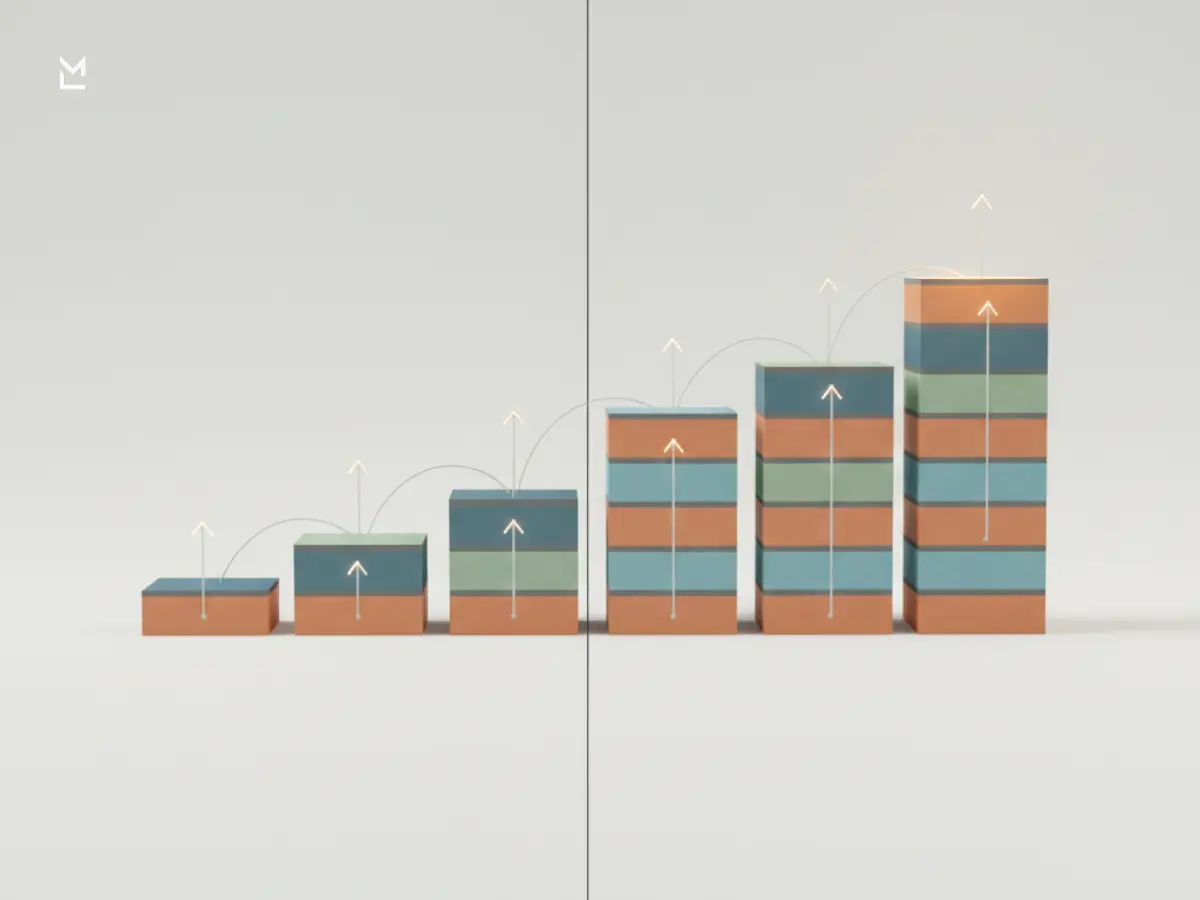
In the end, success isn't about making a big noise - it's working quietly and consistently through clear action items, thoughtful tracking and steady follow-through. This is the real anatomy of execution that actually works.
An action plan takes those lofty goals and breaks them down into concrete, doable steps - things you can actually get done. It helps teams figure out what needs to happen, in what order, and why its even worth bothering. It clears up all the confusion, so teams aren't flailing about trying to guess what to do next. And it gives everyone something to hang their hat on - a shared reference point that helps keep people on track and accountable as things move forward.
Action items are specific tasks that get the job done. Theyre not just brainstorming ideas or throwing stuff out there to see what sticks - they lay out exactly what needs to happen, who's responsible for making it happen, and when it needs to be done. They bridge the gap between talking about something and actually doing something about it, making sure all that brainstorming and discussion doesn't just disappear into thin air.
An implementation plan spells out how you actually make a strategy or decision work. Don't get me wrong, strategies are great - they tell you what you want to achieve. But an implementation plan is all about how you actually get there. It ties all that up with how you'll actually make it happen - with what resources, on what timeline, and who's in charge of making sure it gets done. Its like the step from dreaming to getting your hands dirty - planning to execution.
Project tracking is basically just the process of keeping an eye on how things are going over time. You get a sense of whether tasks are running on schedule, where the bottlenecks are, and how far off you are from your goals. Its not about babysitting people, its about having visibility - so you can see where things are going wrong, adjust your priorities on the fly, and keep the project moving forward without too many surprises along the way.
Actionable insights are just pieces of information that actually help you figure out what to do next. Theyre not just raw data or observations, theyre actually helpful. An actionable insight is one that helps you actually do something - helps you fix a problem, improve a process or make real progress towards your goals - turning all that information into actual action.
Trusted & Secure


.webp)



.webp)
.webp)
.webp)
%201%20(2).jpg)