Written with help from MinutesLink - free AI meeting notetaker for online meetings.
Written with support from MinutesLink — a free AI notetaker for online meetings.
The modern professional world seems to have been built for people who think while they talk, leaving the rest of us feeling like we are constantly playing catch-up in a game we never signed up for. When team members interact in these fast-paced environments, there is an unspoken rule that the person who speaks first or loudest is the one who has the most "leadership potential." This bias creates a massive barrier for those of us who need a moment to process, analyze, and refine our thoughts before we share them with the entire team. We end up leaving meetings feeling completely drained, not because the work was hard, but because the verbal communication required to stay visible was so mentally expensive.
Poor communication often starts right here, in the gap between what someone wants to say and the pressure they feel to say it immediately. When a team only listens to the fast-talkers, they miss out on the deep, nuanced insights that introverts spend their time crafting. Improving team communication isn't just about getting everyone to talk more; it’s about recognizing that different team members have vastly different communication styles. If we don’t find a way to bridge this gap, we risk losing the very ideas that could lead to the organization's success, all because the environment wasn't designed to catch the quiet ones.
We’ve all heard that being an effective communicator means you have to be "quick on your feet," but for many brilliant people, that’s just not how the brain works. Many of us are wired for reflection, meaning our best thoughts usually arrive about twenty minutes after the meeting has actually ended. This lag isn't a sign of a lack of knowledge; it’s a sign of a brain that is busy connecting dots that others might miss in the rush of the moment. However, in a virtual environment where everything moves at the speed of light, this reflective nature can feel like a professional handicap.
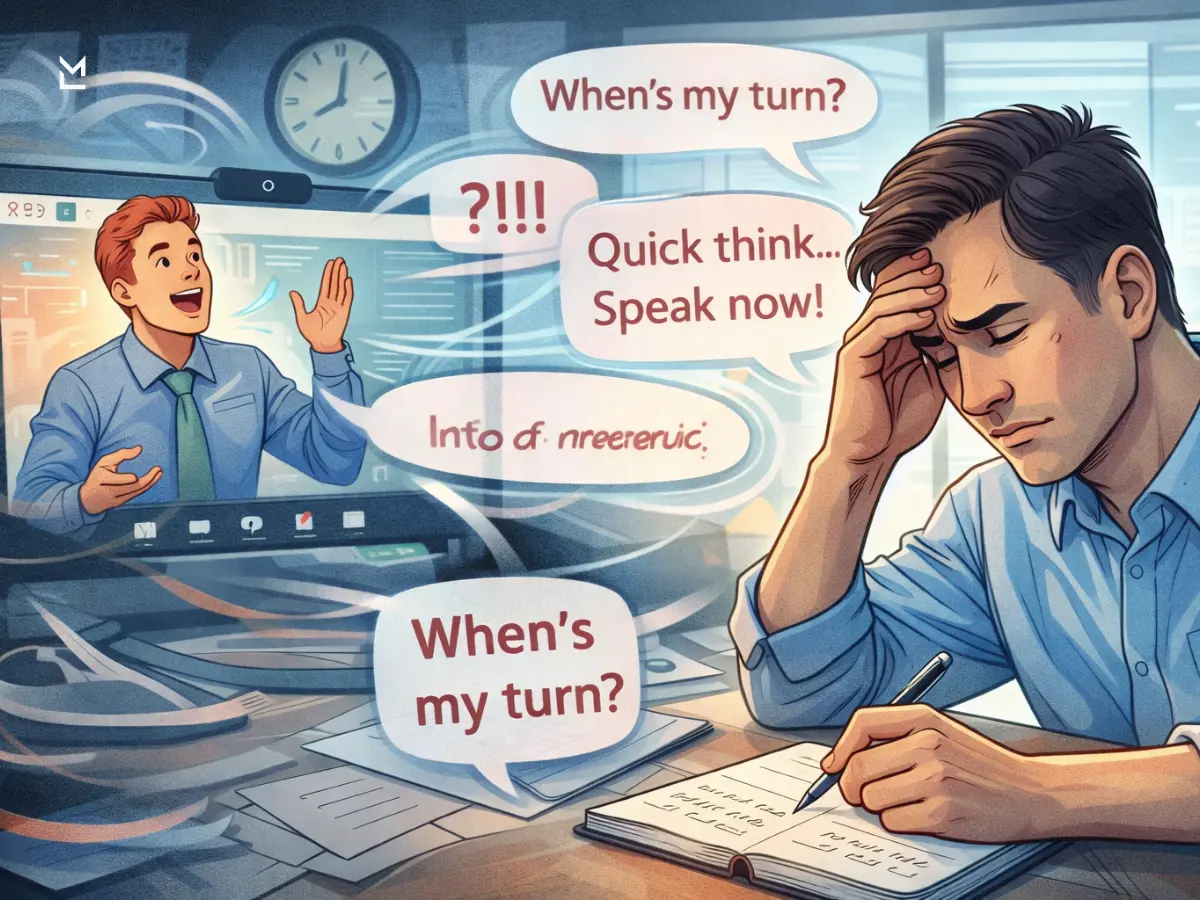
When we are forced into rapid-fire team meetings, our internal focus shifts from "how can I solve this problem" to "when is it my turn to speak." This shift is a disaster for project quality because it replaces genuine problem-solving with a frantic performance. Effective communication skills should be about the clarity of the message, not the speed of the delivery. By moving more of our workplace communication into a written format, we give ourselves the chance to be precise, to avoid misunderstandings, and to ensure that our contributions are taken seriously by the rest of the team.
Imagine if you could just sit back and truly listen during a call, without the panicked feeling that you need to be taking notes on every single word. This is the first big win of using an AI assistant: it turns the mess of a live conversation into a structured, written record that you can actually use. For an introvert, this is like having a weight lifted off your shoulders, allowing you to engage in active listening without the fear of forgetting a crucial detail. It changes the way team members interact because the pressure to "capture" everything is gone, replaced by a reliable digital memory.
This transition from verbal communication to a written format is where the "ghostwriting" magic really happens. Once the meeting is over, you have a perfect transcript that you can review at your own pace, identifying the exact moments where your expertise can make a difference. This allows you to craft a follow-up that is filled with concise communication and clear goals, showing the entire team that you were paying attention even if you weren't the loudest voice in the room. It’s a way to demonstrate your value without having to fight for the microphone, and it ensures that your message is delivered with the appropriate tone.
In the middle of this technological shift, tools like MinutesLink are becoming a literal sanctuary for anyone who feels overwhelmed by the constant noise of modern work. I’ve seen how MinutesLink can transform a stressful weekly meeting into a source of calm clarity by acting as a silent, invisible partner that catches every detail you might have missed. It’s not just about recording words; it’s about providing a sense of psychological safety for different team members who might otherwise feel lost in the shuffle. By using a tool that focuses so heavily on clear communication and easy-to-digest summaries, you’re essentially giving yourself a second chance to contribute when the "live" pressure is gone.
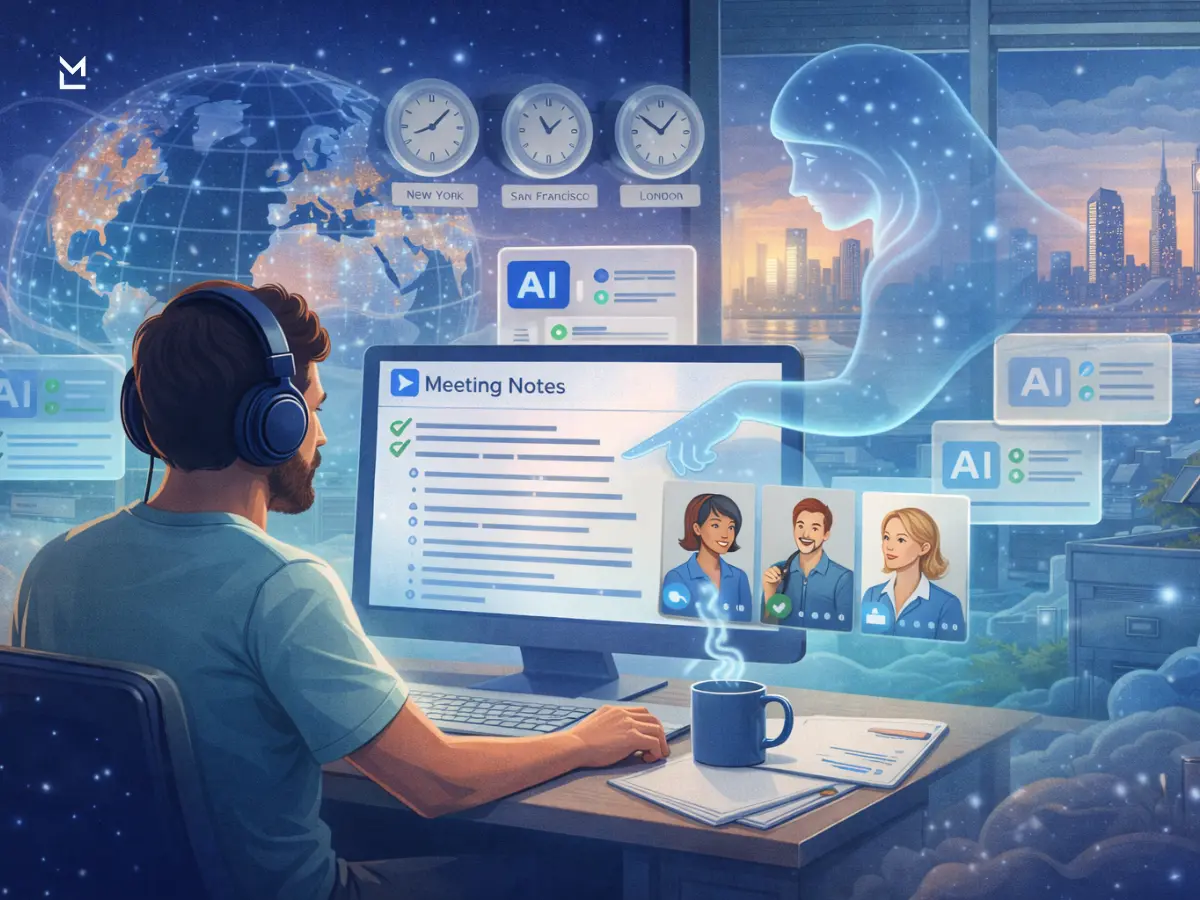
What makes MinutesLink so human is how it respects the way we actually work - acknowledging that we aren't robots and that we need a way to revisit conversations without feeling like we've failed. It allows the remote worker to stay on the same page as the rest of the group, even if they are navigating multiple time zones or just need a moment to breathe after a long call. When you use a tool that prioritizes team communication in such a thoughtful way, you’re not just being more productive; you’re taking care of your own well being. It turns a standard project management tool into a platform for genuine understanding and better team collaboration.
We’ve all joked about it, but the reality is that unnecessary meetings are one of the biggest drains on a high performing team’s energy. For an introvert, a "quick sync" is never just quick; it’s a mental hurdle that requires a lot of prep and even more recovery time. When we rely too heavily on verbal communication to get things done, we end up with a team that is constantly interrupted and rarely has the "deep work" time needed for high project quality. This is why a leader's ability to shift the culture toward more written communication is so vital for long-term success.
By using AI to summarize the essential points of every meeting, we can start to cut through the fluff and focus on what actually matters. This makes our team communication much more efficient and allows team members to spend their time doing the work they were actually hired to do. Good communication isn't about the quantity of the time we spend talking; it’s about the clarity of the message and the understanding it creates. When we move toward a documentation-heavy culture, we reduce the chance of poor communication and make it easier for everyone to stay focused on the organization's success.
One of the greatest ironies of the digital age is that the more we communicate, the less we actually listen to one another. We are so busy thinking about our own response or checking our instant messaging that we miss the subtle cues that tell us how our team members are actually feeling. For an introvert, active listening is a natural strength, but it’s a strength that is often drowned out by the noise of the office. Using an AI ghostwriter gives you the permission to go back to being a listener, which is a vital role in any strong team.
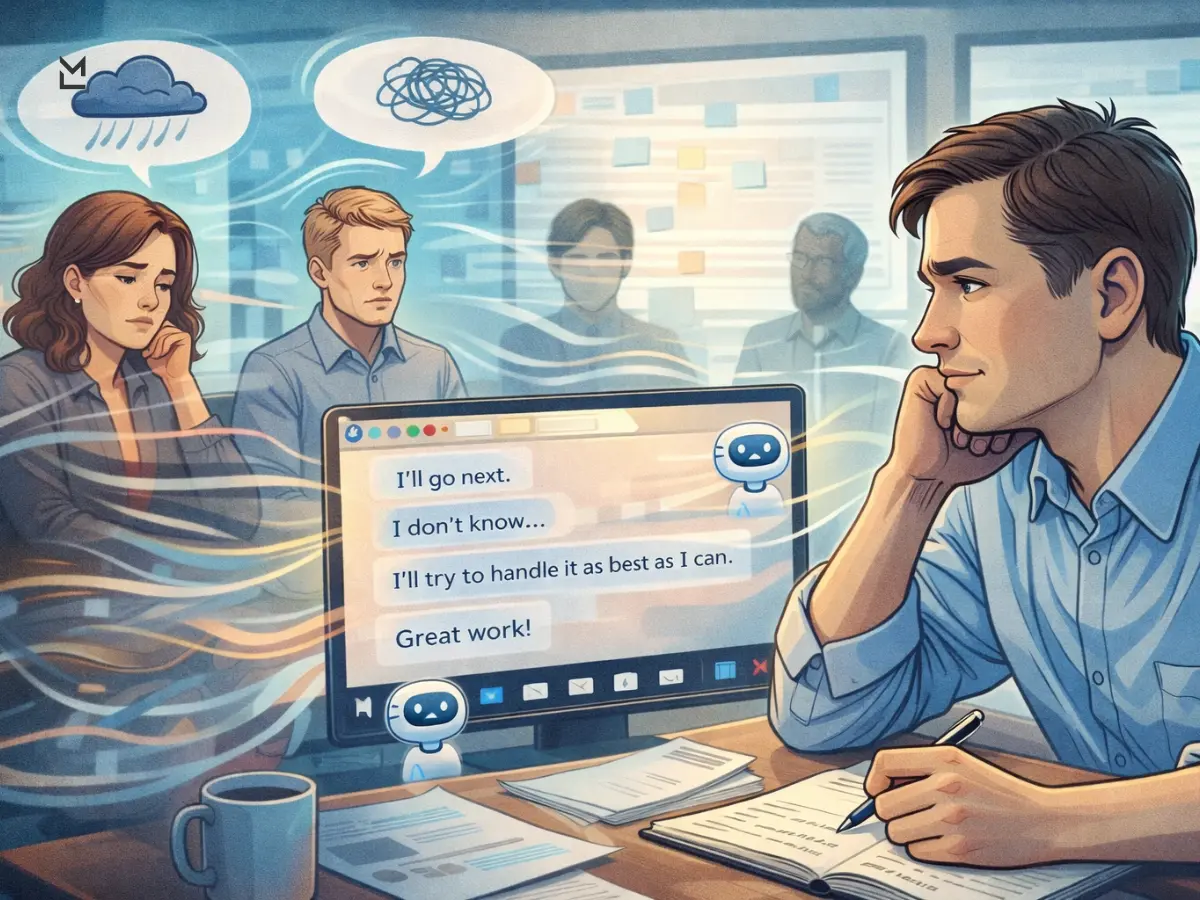
When you aren't worried about the "performance" of the meeting, you can pay attention to things like facial expressions and the underlying tone of the conversation. You can identify areas where the team might be struggling or where a message is being misunderstood by one team member. This deep level of paying attention is what allows you to provide the kind of constructive criticism and feedback that actually helps a project grow. It makes you an effective communicator not because you talk a lot, but because you understand the situation better than anyone else in the room.
To communicate effectively, you first have to feel safe enough to speak your truth, and for many, that safety is found in the written word. When a team prioritizes a clear record of every conversation, they are creating a world where ideas are judged on their merit rather than their delivery. This is the definition of psychological safety - knowing that your contribution will be seen and heard even if you didn't have the energy to fight for a spot in the live discussion. It fosters an open dialogue where team members feel heard and respected, which is the foundation of any high performing team.
This transparency also helps to avoid the "he said, she said" drama that can sometimes plague workplace communication. When the message is documented, there is a shared understanding that everyone can refer back to on a regular basis. This reduces anxiety and helps different team members stay aligned on the same page, regardless of their individual communication styles. By removing the guesswork, we allow the team to focus on team building and mutual support, which leads to a much more positive work environment for everyone involved.
Giving and receiving feedback is one of the hardest parts of any job, especially when you have to do it in person or on a live video conferencing call. It’s easy to get defensive or to use the wrong appropriate tone when you're caught off guard. However, when you use an AI ghostwriter to help you process a meeting, you can take the time to draft your feedback with care and precision. You can ensure that you are providing constructive criticism that is helpful rather than hurtful, and you can make sure your message is received in the spirit it was intended.
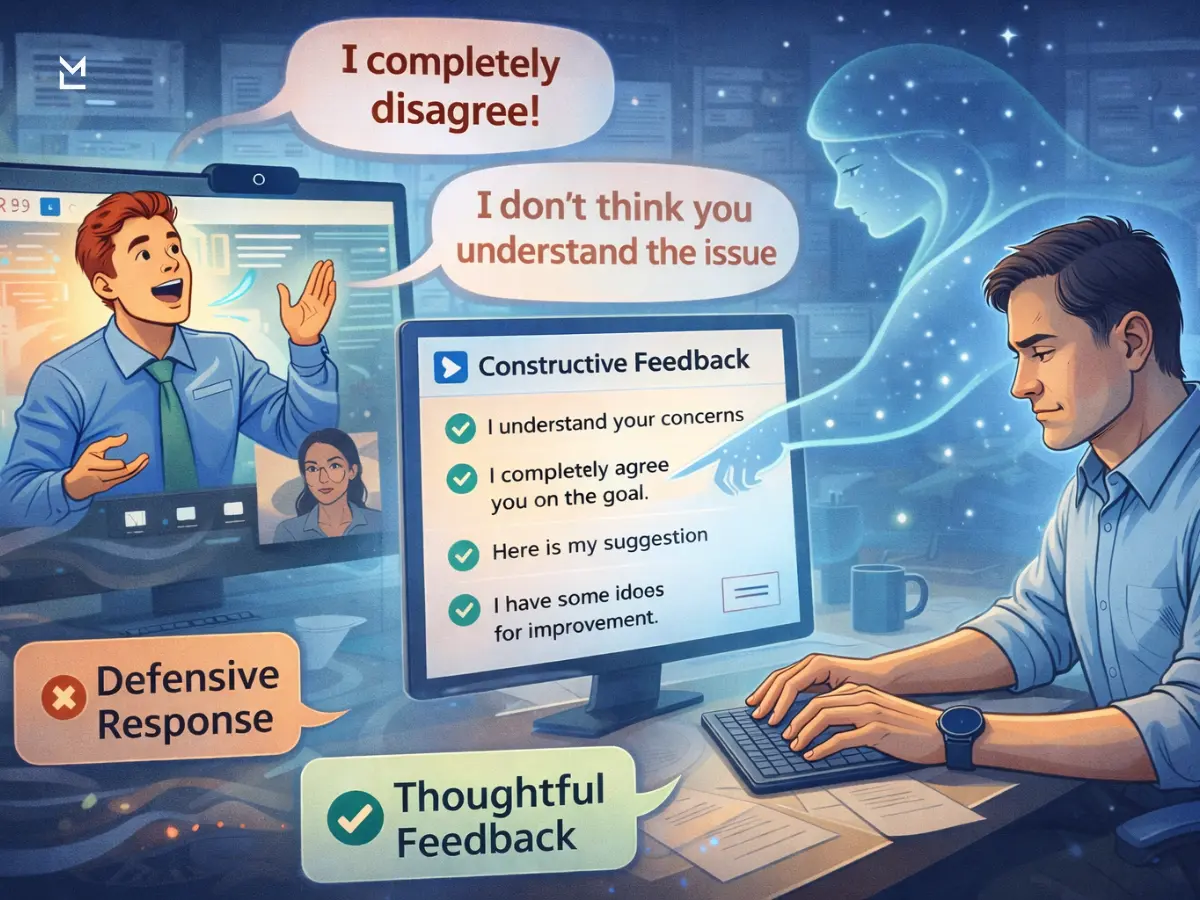
This focus on effective communication skills is what separates a good teammate from a great one. By using technology to identify areas where your communication might be falling short, you can start to develop a much better sense of how to interact with your audience. You can see where you might be using unnecessary words or where your message might be confusing to other team members. This constant feedback loop helps you grow as a professional and ensures that you are always contributing to the organization's success in a meaningful way.
We need to kill the idea that leadership has to be loud and boisterous to be effective. Some of the best team leadership comes from the people who speak the least but listen the most. These "quiet" leaders use their observation skills to understand the hidden dynamics of the team and to provide the kind of clear communication that keeps everyone grounded. By using AI to support their written communication, these leaders can have a massive impact without ever having to raise their voice.
When a leader focuses on documentation and clarity, they set a standard for the rest of the entire team. They show that they value the truth of the project more than the ego of the speaker. This approach makes things like a performance review much more objective and less about a "popularity contest." It allows the leader's ability to be judged on the actual results and the health of the team members interact with one another. It is a more human, more sustainable way to lead that encourages everyone to be an effective communicator in their own way.
Remote work has given us so much freedom, but it has also made team communication much more complex. When you're working across multiple time zones, you often miss out on the spontaneous conversations that happen in a physical office. This can lead to a sense of isolation and a feeling that you aren't really part of the "real" team. AI assistants help to bridge this gap by providing a constant, reliable stream of information that keeps everyone connected, no matter where they are in the world.
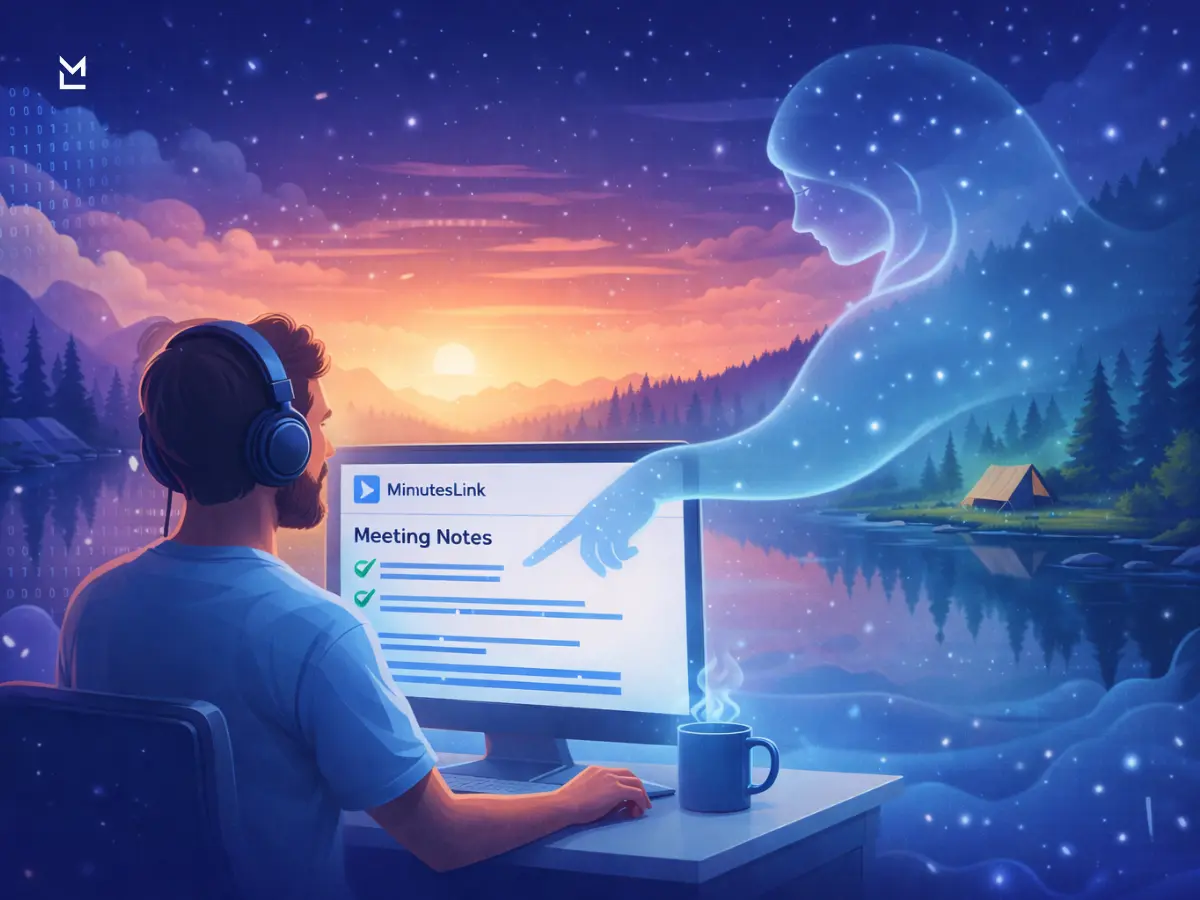
For a remote worker, having a written summary of every team meeting is like having a window into the office. It allows you to catch up on what you missed, understand the nonverbal cues that were captured by the AI, and provide your own input in a way that feels timely and relevant. This level of transparency is crucial for employee engagement and for building strong teams that can weather any storm. It ensures that everyone is moving toward the same goals with a shared understanding of the task management required to get there.
As we look toward the future of workplace communication, it’s clear that tools like MinutesLink are going to play a vital role in how we define success. What I love about MinutesLink is how it feels like it was built for the way we actually think - giving us the tools to be more organized, more clear, and more empathetic in our daily interactions. It’s not just about productivity; it’s about making sure that every one team member has the chance to feel heard. By providing such a high level of detail and understanding in its summaries, it helps us all become a more effective communicator without the stress of "faking" a different personality.
Using MinutesLink on a regular basis is a great way to identify areas where your team might be struggling with poor communication and to find ways to fix it. It allows you to track the progress of your projects and to see how different team members are contributing to the overall success of the organization. It is the kind of project management tool that actually makes your life easier, rather than just adding more tasks to your plate. When you embrace this kind of technology, you’re not just keeping up with the times; you’re investing in the future of your team and your own professional well being.
It’s a common misconception that nonverbal communication can only happen in person. In reality, the way we structure our written communication - the pauses, the tone, the level of detail - sends a huge message to our audience. AI can help us understand these subtle nonverbal cues in our own writing and in the writing of others, helping us to avoid misunderstandings before they even happen. It’s about having a higher level of emotional intelligence in everything we do, from a quick instant messaging chat to a formal project report.
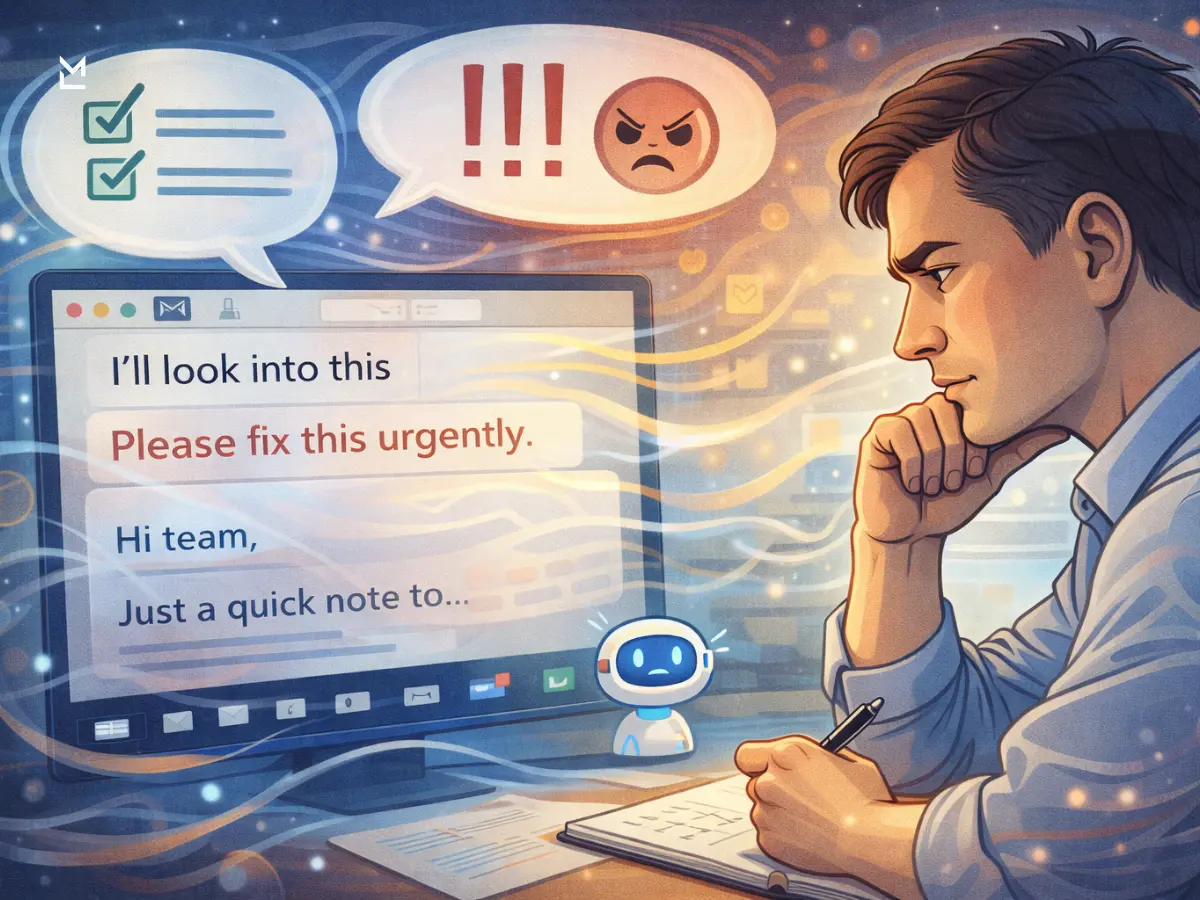
By paying attention to these details, we can build a much more positive work environment where people feel understood and valued. We can ensure that our feedback is always constructive and that our team members feel like we are genuinely listening to their concerns. This focus on clear communication is what makes a team high performing and resilient. It allows us to move past the surface-level talk and get to the heart of the problems we are trying to solve together.
We are moving away from a world where the loudest person wins and toward a world where the best idea wins, and I couldn't be happier about it. This shift toward more written communication and AI-assisted "ghostwriting" is a huge win for introverts, remote workers, and anyone who values deep thinking over quick talking. It’s a way to make our workplace communication more inclusive, more transparent, and ultimately, more human. It’s about recognizing that we all have a vital role to play and that our differences are what make us a strong team.
As you go through your next week of meetings, I want you to remember that your silence isn't a weakness - it’s a space where your best ideas are growing. Don't be afraid to lean on technology to help you capture the noise so you can focus on the message. By embracing these tools, you are taking control of your own professional narrative and ensuring that your contributions are never lost in the shuffle. The future of team collaboration belongs to the people who can listen, reflect, and communicate with clarity, and that is exactly where you shine.
At the end of the day, our goal is to be the best version of ourselves at work, and that means finding the tools and strategies that work for us. Whether it’s through active listening, concise communication, or the use of an AI ghostwriter, we are all just trying to find our voice in a crowded room. By focusing on building a positive work environment and prioritizing better team communication, we are making life better for ourselves and for our colleagues. It’s a journey of continuous improvement that requires patience, empathy, and a willingness to try new things.
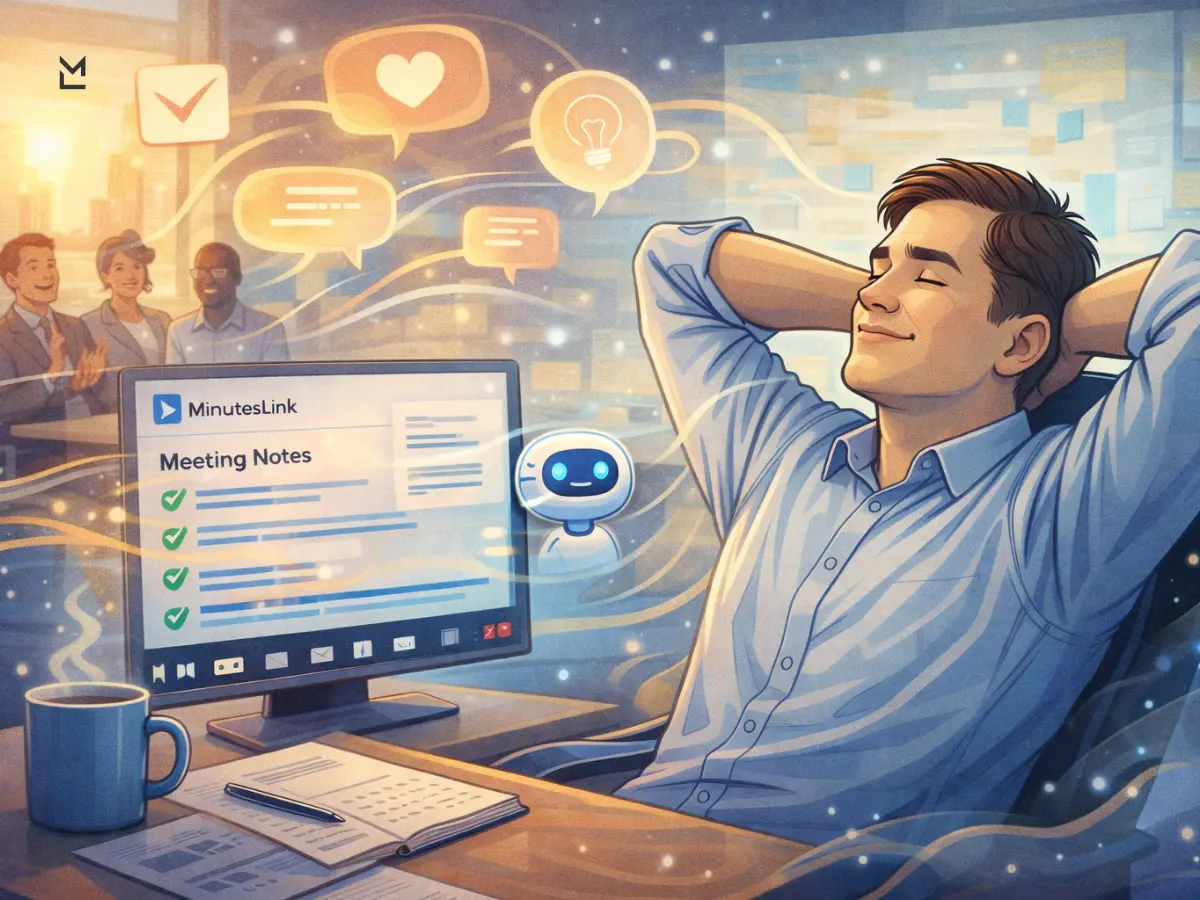
So, take a breath, let the AI handle the notes, and give yourself permission to just be "you" in your next meeting. You have so much to offer, and the world is finally creating the tools that will help you share it. When we communicate effectively, we don't just finish projects; we build connections that last a lifetime. This is the true power of a high performing team, and it’s a power that starts with a single, clear, and thoughtful message.
Communication is what holds a team together - without it, things can stall or go seriously wrong. When people just open up and talk, share their progress and clarify what's expected, work gets done faster and with far fewer mistakes. Good communication means people trust each other, feel less stressed, and actually get a sense of what they're all trying to achieve.
Written communication is pretty much any information you share in writing - emails, texts, reports, documents, task comments... all the stuff that helps your team keep track of what's going on. And when it's written down, decisions, instructions, and ideas get recorded for posterity - so even if someone drops out of the loop, they can still catch up later.
The first step to better team communication is to create a culture where people feel free to speak up without fear of being shot down. Regular check-ins, clear expectations and keeping everyone up to speed on progress all help the team stay on the same page. Plus, choosing the right channel at the right moment - e.g. ask quickly over chat, decisions get sent out via email - is crucial. And listening is just as important as talking - you've got to really be listening instead of just waiting for your turn.
Clear communication cuts down on all the guesswork. If you say what you mean, in straightforward language, people know exactly what to do, when to do it and why it matters. And that makes all the difference: it stops misunderstandings from happening, saves time and head-scratching, and generally keeps projects on track.
Good team leadership is all about guiding people towards a shared goal, and supporting them along the way. A leader isn't just about handing out tasks - they're about creating a direction, clearing hurdles and helping each person grow. Leadership isn't about having some kind of authority, it's about taking responsibility: you set the tone, you build a culture that works and you help the team succeed together.
Trusted & Secure


.webp)



.webp)
.webp)
.webp)
%201%20(2).jpg)