Written with help from MinutesLink - free AI meeting notetaker for online meetings.
Written with support from MinutesLink — a free AI notetaker for online meetings.
Modern organizations are rethinking how they bring new employees into the workplace, not just to deliver information but to create a meaningful and effective onboarding process that sets the foundation for long term employee engagement and professional development. As companies grow, systems get more complex, teams span time zones and processes multiply. In this context, knowledge transfer is essential, not optional as it determines if a new hire can hit the ground running.
When companies talk about improving onboarding they refer to tools, training programs, company policies, and technology but one element sits in the background holding everything together: communication. The goal is to ensure new hires understand the company, the team, the job and the expectations without being overwhelmed. Creating this level of clarity through manager training alone has become harder especially when managers have to juggle recruitment, management responsibilities and constant organizational change.
Knowledge is the backbone of every organization but what really matters during onboarding is not just the knowledge itself but the knowledge transfer process. Even the most advanced onboarding software can fail if the flow of information is inconsistent. New hires need access to organizational knowledge, team practices, new ideas and experiential knowledge that usually lives in the minds of team members. Without a reliable sharing mechanism they depend solely on their manager and get frustrated when the go to person is not available.
The first week onboarding is especially critical. This period sets the new employee’s perception of the company and affects long term performance management outcomes. When communication barriers arise, when instructions get lost or when task lists are unclear it’s the new hire who ends up struggling. That’s why companies are looking for strategies to collect knowledge and apply information consistently.
In an ideal world every manager would have unlimited time to simplify onboarding, answer questions, share knowledge and help new hires understand their tasks. In reality managers juggle multiple priorities and manual entry becomes a burden rather than a solution. As a result communication fragments, knowledge sharing is inconsistent and onboarding slows down.
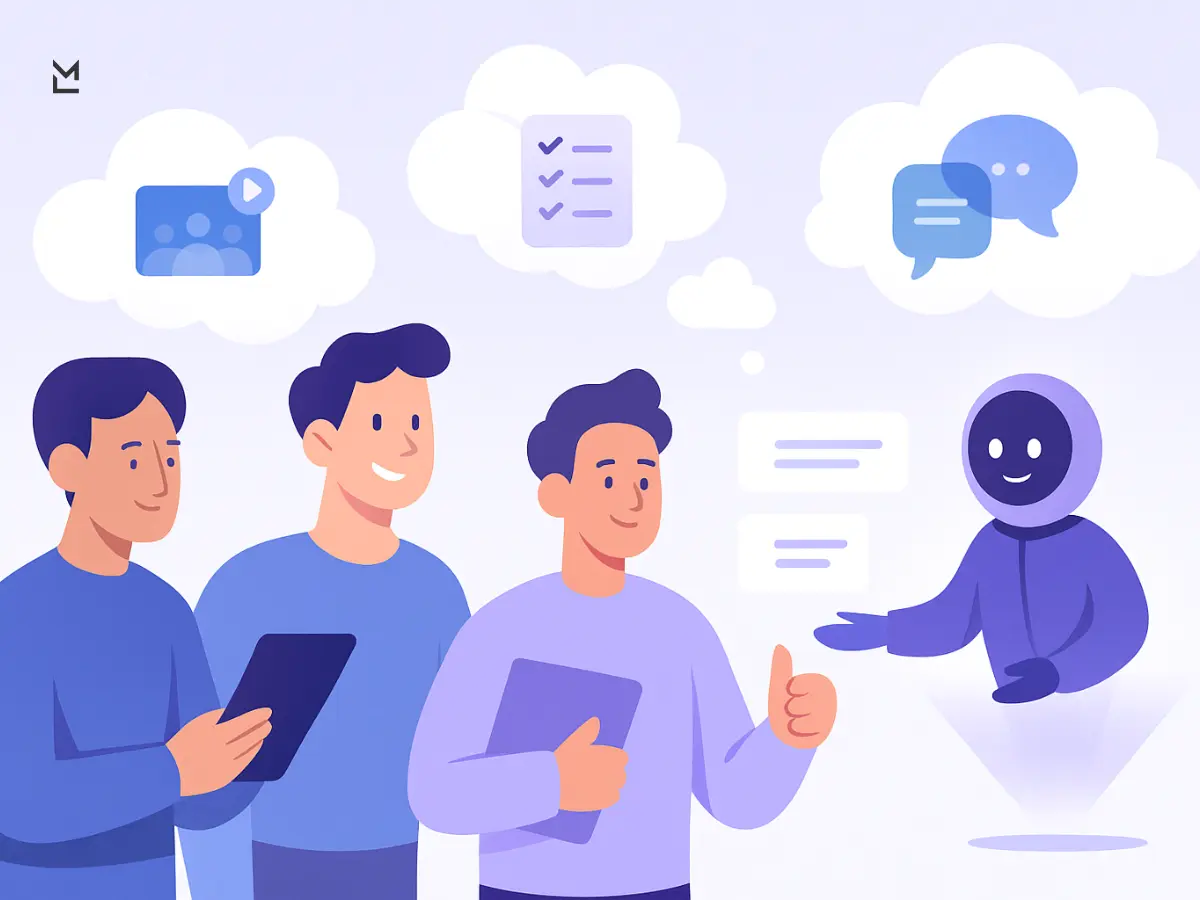
This is where AI powered solutions are changing the onboarding landscape. By helping with communication, summarizing meetings and capturing key information AI helps new hires understand the company faster and reduces pressure on managers. Instead of spending hours organizing notes or explaining the same things over and over again managers can focus on professional development and more strategic aspects of their job.
Organizations assume new employees only need hard skills but onboarding requires more. New hires need to learn the broader system: the company culture, the nuances of collaboration, the problem solving approach and the communication style of team members. This experiential knowledge takes months to absorb unless a system helps transfer knowledge efficiently.
Even the best onboarding software lacks one thing: the human layer hidden in everyday conversations, quick meetings and spontaneous decisions. New hires rely heavily on these informal exchanges to develop a deeper understanding of their role. When these interactions are not captured or transferred knowledge gaps arise. AI generated summaries can turn these conversations into actionable information without burdening employees.
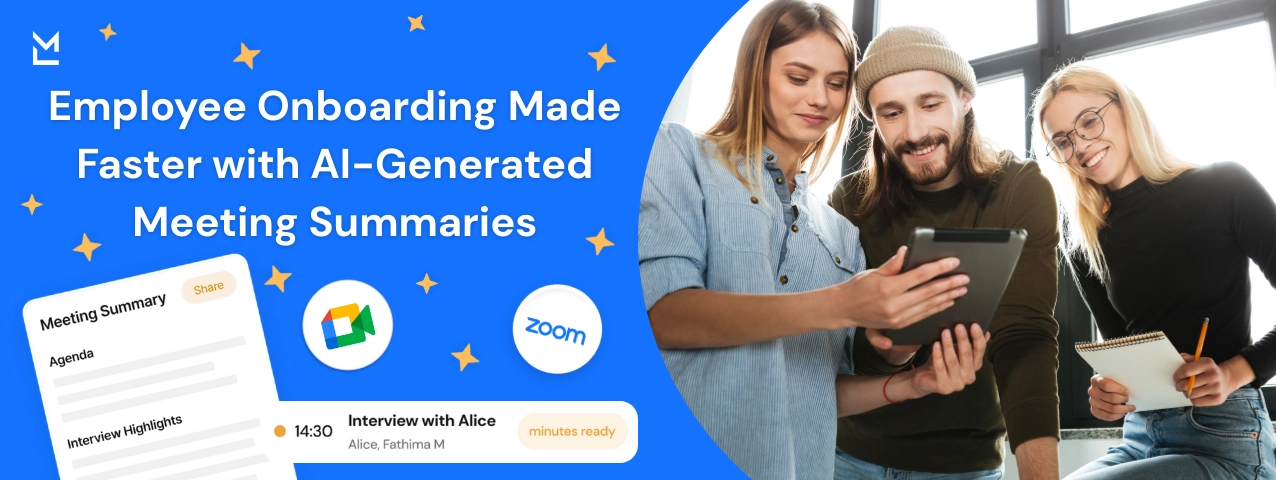
In the move towards smarter, more human onboarding sits MinutesLink - an AI tool that takes on one of the most exhausting parts of starting a new job: trying to remember everything. Instead of leaving new hires to piece together scattered notes or rely on a manager who already has a hundred things to do, MinutesLink turns real meeting conversations into clear, structured summaries. It captures decisions, next steps and team dynamics in a way that makes sense to someone who’s just walked through the door. With MinutesLink companies don’t just speed up onboarding - they make it calmer, clearer and more human. Information flows naturally, new hires gain confidence faster and expectations stop feeling like a mystery.
The first days in a new company are delicate. The first day sets the tone, the first week shapes comfort and the first month decides if someone truly feels they belong. But when new hire paperwork gets messy, instructions clash or the work environment feels confusing even the most motivated new hire starts to doubt themselves. Companies that get this treat onboarding not as a checklist but as an experience - one built on clarity, communication and empathy.
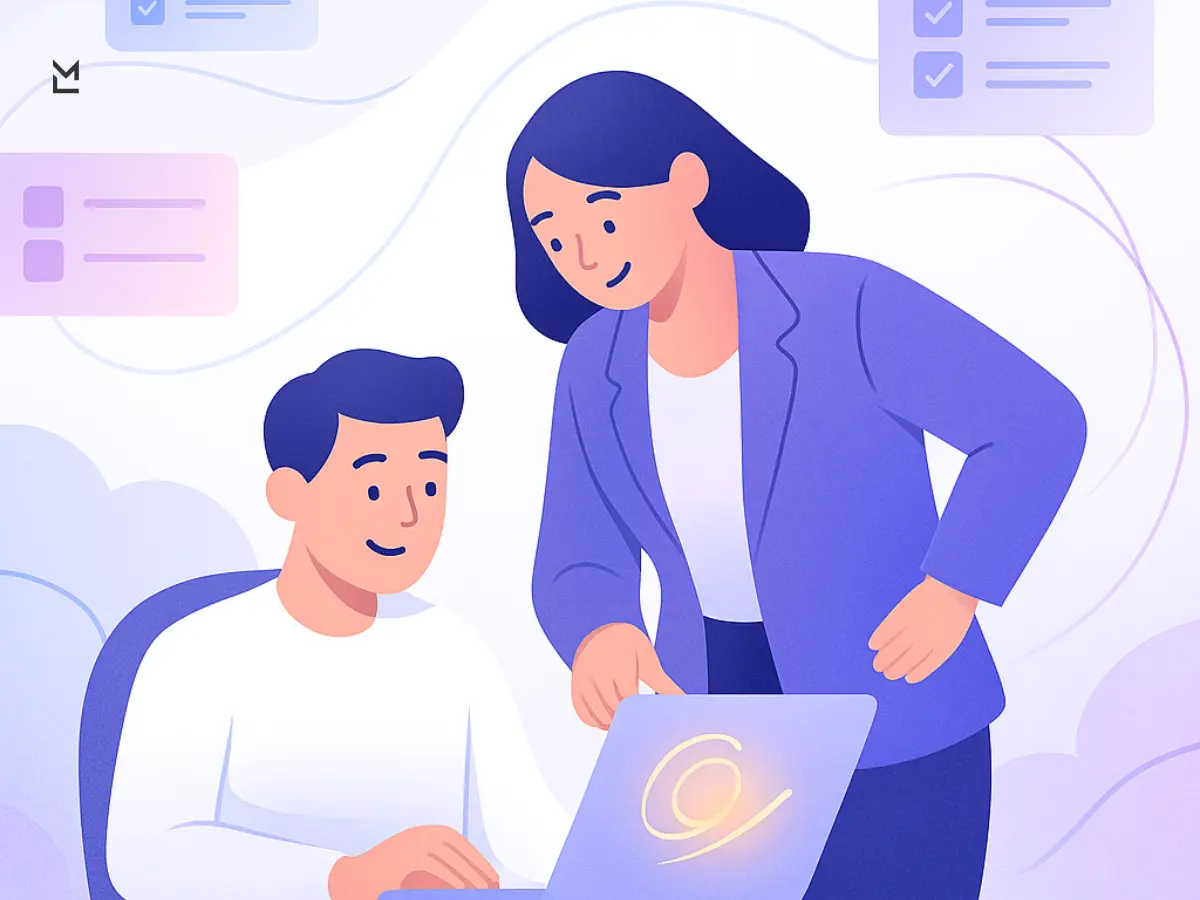
AI generated summaries help create exactly that. When new hires can revisit decisions, understand how the team works and see how their tasks connect to the bigger picture the noise dies down. Instead of drowning in information they can breathe. Human connections start to grow naturally because the basics are already taken care of. The pressure softens and new employees feel not just informed - but supported.
Every organization runs on knowledge - not just formal training but the invisible stuff: why things are done a certain way, how decisions evolve, who to ask, what to avoid. Companies that treat knowledge as a strategic asset move faster and adapt better. Companies that don’t… end up with confusion, bottlenecks and repeated mistakes.
For new hires this knowledge is everything. They need clarity on processes, tools, policies, benefits and workflows long before they can perform confidently. But knowledge transfer is never neat. It depends on conversations, habits and individual communication styles. AI helps smooth this out. It doesn’t replace human mentorship - it strengthens it. By keeping knowledge consistent and accessible it ensures new employees never fall through the cracks.
Managers don’t have time to explain the same thing again and again - even when they want to. New managers feel this especially strongly as they try to balance leadership, meetings, recruitment and their own learning curve. And yet one unclear explanation can create weeks of confusion for a new hire.
AI takes the weight off their shoulders. Summaries of meetings, insights and discussions give managers a record to share, return to or build on. It frees them from constant repetition and lets them focus on real leadership - coaching, supporting and nurturing their team’s growth. It doesn’t make onboarding less human; it gives them more room to be human.
Teams communicate constantly - in chats, quick meetings, hallway conversations. These informal exchanges often contain details new hires need but they disappear the moment they’re spoken. When insights aren’t captured new employees miss context, misunderstand tasks and feel out of sync.
Structured summaries solve this invisibility problem. They capture essential information in a format that’s easy to revisit. With everyone aligned misunderstandings shrink, collaboration gets smoother and new hires stop feeling like outsiders looking in. Instead they step into their role with clarity and belonging.
Onboarding doesn’t end after the first week - not for growing companies and definitely not for employees who want to develop. Roles shift, systems evolve, teams reorganize. Employees need stable ground even as things change around them.
AI generated summaries help maintain continuity. They show progress, track insights and preserve important information that would otherwise get lost during transitions. New hires gain consistency; experienced employees gain clarity. Teams grow with structure not chaos, supporting ongoing on the job training and career growth.
Organizations run on interconnected processes. When information breaks everything downstream suffers - workflows slow, expectations blur, productivity declines. Knowledge management can’t rely on scattered documents or forgotten conversations. It needs a structure people can trust.
AI offers exactly that. It captures important information accurately, keeps teams aligned and turns onboarding into a smoother more predictable experience. For new hires this consistency shortens the time between “I’m new here” and “I know what I’m doing”.
Culture is absorbed, not taught - through how teams communicate, how problems get solved, how decisions are made and how people treat each other. For new employees understanding this quiet layer of the organization is often harder than learning their actual tasks.
AI generated summaries help reveal how a team thinks and interacts. They show patterns in decision making, highlight communication styles and give new hires a window into the company’s corporate culture. This speeds up cultural integration and reduces those early awkward misunderstandings. New employees feel in sync sooner not months later.
The moment a new hire understands their tasks - really understands them - productivity accelerates. Without clarity they hesitate, guess or constantly seek help. With clarity they take ownership. Early clarity is one of the strongest predictors of long term success.
This is where AI summaries shine. By breaking down meeting information into clear actionable insights they let new hires focus on doing their job rather than decoding it. The result is faster progress, fewer mistakes and stronger confidence.
As companies grow their onboarding challenges grow with them. More departments, more systems, more moving parts - and more opportunities for important information to slip through the cracks. MinutesLink holds everything together by turning real meetings into organized summaries.
When new hires have this clarity from day one they don’t just adapt faster - they contribute faster. They feel connected, informed and prepared. Teams collaborate more easily. Communication becomes a strength not an obstacle. And as the company continues to scale knowledge remains an asset not a bottleneck.
MinutesLink doesn’t just make onboarding faster - it makes it smoother, more human and more sustainable, supporting the company not just today but as it grows into tomorrow.
Employee onboarding is the phase where a new hire transitions from “I’m starting a new job” to “I know how things work here.” It’s more than paperwork or a quick tour of the office. Good onboarding gives people clarity about their role, helps them understand the team and culture, and provides the knowledge they need to feel confident. When done well, onboarding transforms those first uncertain days into a smooth, encouraging experience that sets someone up for long-term success.
Knowledge transfer in management is the process of making sure valuable information doesn’t stay locked in someone’s head. It’s how companies pass on expertise, decisions, context, and practical experience from one person to another - especially from managers to new employees. Effective knowledge transfer prevents confusion, reduces repetitive questions, and keeps teams aligned. When managers have systems that support this flow of knowledge, onboarding becomes clearer, faster, and far less stressful for everyone involved.
Onboarding software is a digital tool that helps companies guide new employees through their first days and weeks without the chaos of scattered documents or missed steps. It centralizes information, organizes tasks, and gives new hires a clear roadmap of what they need to do and learn. Modern onboarding software often includes automation, reminders, training materials, and communication features that make the experience feel structured instead of overwhelming. It turns the onboarding process into something predictable, supportive, and easy to navigate.
The best manager training programs are usually found in places that focus on real, practical leadership rather than theory alone. Business education platforms, professional learning hubs, and reputable HR training providers offer structured programs that help managers build communication, coaching, and decision-making skills. Many companies also invest in internal leadership academies tailored to their culture. When choosing a program, it’s important to look for one that supports day-to-day challenges, because effective manager training directly improves how well new hires are guided and supported.
A new hire checklist is a simple but powerful tool that outlines everything a new employee needs to complete during their first days and weeks - things like setting up accounts, reviewing company policies, meeting key team members, completing required training, and understanding early tasks. Instead of guessing what comes next, new hires follow a clear path that helps them feel organized and supported. A good checklist reduces stress, prevents missed steps, and creates a more welcoming, confident start to the job.
Trusted & Secure


.webp)


.webp)
.webp)
.webp)
%201%20(2).jpg)