Written with help from MinutesLink - free AI meeting notetaker for online meetings.
Written with support from MinutesLink — a free AI notetaker for online meetings.
Even when teams are using loads of different workflow tools and communication platforms like Microsoft Teams and Google Docs, knowledge sharing still often feels like its falling apart. Teams talk all the time, but that doesn't necessarily mean they're actually transferring knowledge. Important background context goes missing in between meetings, people remember decisions differently, and brilliant insights stay locked up in individual brains rather than becoming organizational knowledge the whole team can learn from.
This isn't because teams are lazy or don't have the right tools. Its because most teams rely on their memories and the effort to write things down to share knowledge. But that creates a whole load of blind spots, slows down problem solving, and makes collaboration a whole lot harder than it needs to be, especially when teams are growing or going remote.
Talking to one another doesn't guarantee that knowledge transfer will happen. Teams might have great discussions, agree on what to do next, and feel in complete agreement at the time - but without some clear notes from the meeting, that agreement falls apart pretty quickly. What's left is a mix of assumptions and people's half-remembered thoughts about what was discussed.
True knowledge transfer happens when what was said and what was decided is actually captured and made accessible later on. AI-generated meeting notes turn all those fleeting conversations into actual knowledge that everyone can go back and learn from.
There's loads of super valuable tacit knowledge in most businesses that get written down nowhere. Tacit knowledge lives inside people's heads, their experience, and the way they work together. You can see it in how senior members of the team make decisions, how problems are tackled, and how they pick up on subtle warning signs early on.
But the challenge is that tacit knowledge never naturally gets transferred. When experienced staff leave or teams change, that experiential knowledge just goes with them. AI-generated notes help bridge that gap by catching context, reasons and patterns that would otherwise just stay hidden.
AI-powered meeting notes don't just record what people said. They help collect knowledge in a way that's actually manageable, searchable and connected to what everyone else is working on. Over time, all those notes start to form a living, breathing knowledge base that shows how the organisation actually thinks and works.
This all changes meetings from just being a flash in the pan to actually contributing to the bigger picture of what the team knows and has learned. Teams stop having to reinvent the wheel because they can go back and draw on what they decided and did last time.
Company culture isn't just about fancy mission statements. Its built on how openly people share their knowledge and how they feel when they contribute what they know. When knowledge sharing is hit and miss, silos form, trust starts to fray, and collaboration becomes all about looking out for yourself.
AI-powered notes help create a culture where sharing knowledge feels like second nature. When people know their insights will be remembered and not distorted, they're more likely to contribute openly, which in turn strengthens company culture from the inside out.
Writing notes by hand usually just captures fragments rather than the actual meaning of what was said. Important details get missed, context gets lost, and notes tend to be just one person's view rather than the team as a whole. Over time this just gets in the way of the whole knowledge transfer process and makes a right old mess.
AI notes cut back on all that manual effort. By taking care of the documentation automatically, you can get back to the good stuff: talking, discussing, and deciding - all while knowing that the knowledge is being captured accurately and fairly across the entire organization.
When meeting notes live in individual folders or private documents on platforms like Google Drive or Google Sheets, they stay isolated. Teams might technically document things, but the information is never really shared. This just creates more questions, duplicated work, and slower onboarding for new hires.
AI-generated notes change this by feeding into one big, shared knowledge base. Over time that shared resource becomes one of the organisation's most important assets, supporting learning, continuity and long-term organizational success.
MinutesLink helps teams turn meeting conversations into structured, searchable notes that everyone can access - not just the person who attended. Instead of knowledge living in private docs or chat threads, MinutesLink creates a shared record of decisions, context, and next steps.
This makes knowledge sharing reliable: teams can revisit what was agreed, onboard new people faster, and avoid repeating the same discussions. Over time, meeting notes stop being disposable and start becoming organizational memory your team can actually use.
Remote teams rely on clear knowledge sharing even more. Without all those casual chats and informal catch-ups, missing context can derail work pretty quickly. Knowledge gaps feel even bigger when teams are spread out across different time zones or just using loads of different apps.
AI-powered notes keep remote teams on the same page by preserving what they've agreed and decided on, way beyond the end of the meeting. They make knowledge transfer reliable, reduce reliance on being in the same room at the same time, and generally support a much healthier remote work rhythm.
By capturing all that knowledge, pattern and reason, you're not just automating routine tasks - you're changing the way teams learn from their own work, reflect on past experiences and improve their business processes. This sets up a feedback loop where knowledge sharing feeds into workflows that keep getting better, and better workflows in turn produce still more new knowledge. As time goes on, learning becomes an integral part of everyday work rather than some sort of stand alone initiative.
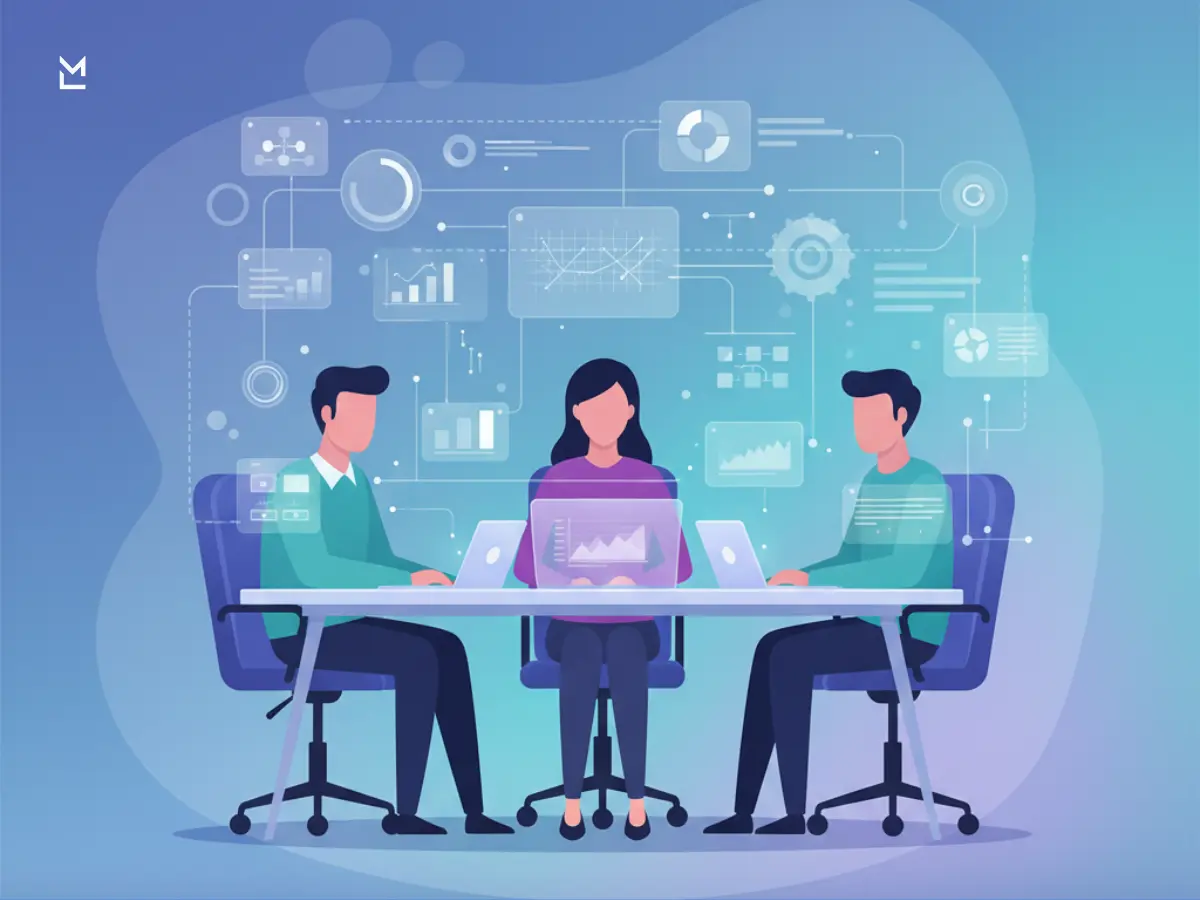
AI workflow automation tools don't just automate tasks. They actually change how teams learn from their own work. When discussions, decisions, and outcomes are recorded consistently, you can reflect, improve processes, and build on past insights.
Most teams don't even realize just how precarious their internal knowledge is until something really important slips through the cracks. A crucial detail is forgotten, a decision is remembered differently or just - its all gone. And at that point, it becomes pretty clear just how much knowledge sharing is really dependent on someone's individual memory rather than a reliable system. In teams that are moving fast, memory just isn't cut out for handling all the complex workflows, projects, and constant collaboration that are going on.
AI-powered notes come along and change this dynamic in a really quiet but pretty profound way. Instead of knowledge transfer relying on who happened to be there or who has the best memory, information just becomes shared, stable and accessible. Teams stop worrying about remembering everything and start trusting the system that is capturing it for them. That shift alone reduces stress & improves communication and just creates a much healthier foundation for collaboration.
A lot of people get explicit knowledge mixed up with being rigid or bureaucratic, but in reality, its what lets teams move freely without confusion. When decisions, reasoning & outcomes are clearly documented, people dont have to second guess what was agreed or chase others for clarification. Alignment just becomes natural rather than something that has to be enforced.
AI generated meeting notes help turn conversations into explicit knowledge without disrupting the flow of the discussion. Over time this creates a shared language across teams, where everyone understands not just what happened, but why it happened. This clarity supports better project management, smoother collaboration and a stronger company culture based in transparency rather than hierarchy.
Implicit knowledge is everywhere in successful teams. Its living in experience, intuition & unspoken understanding. The problem is that it often stays locked inside individuals, making teams vulnerable when people leave, switch roles or grow too quickly.
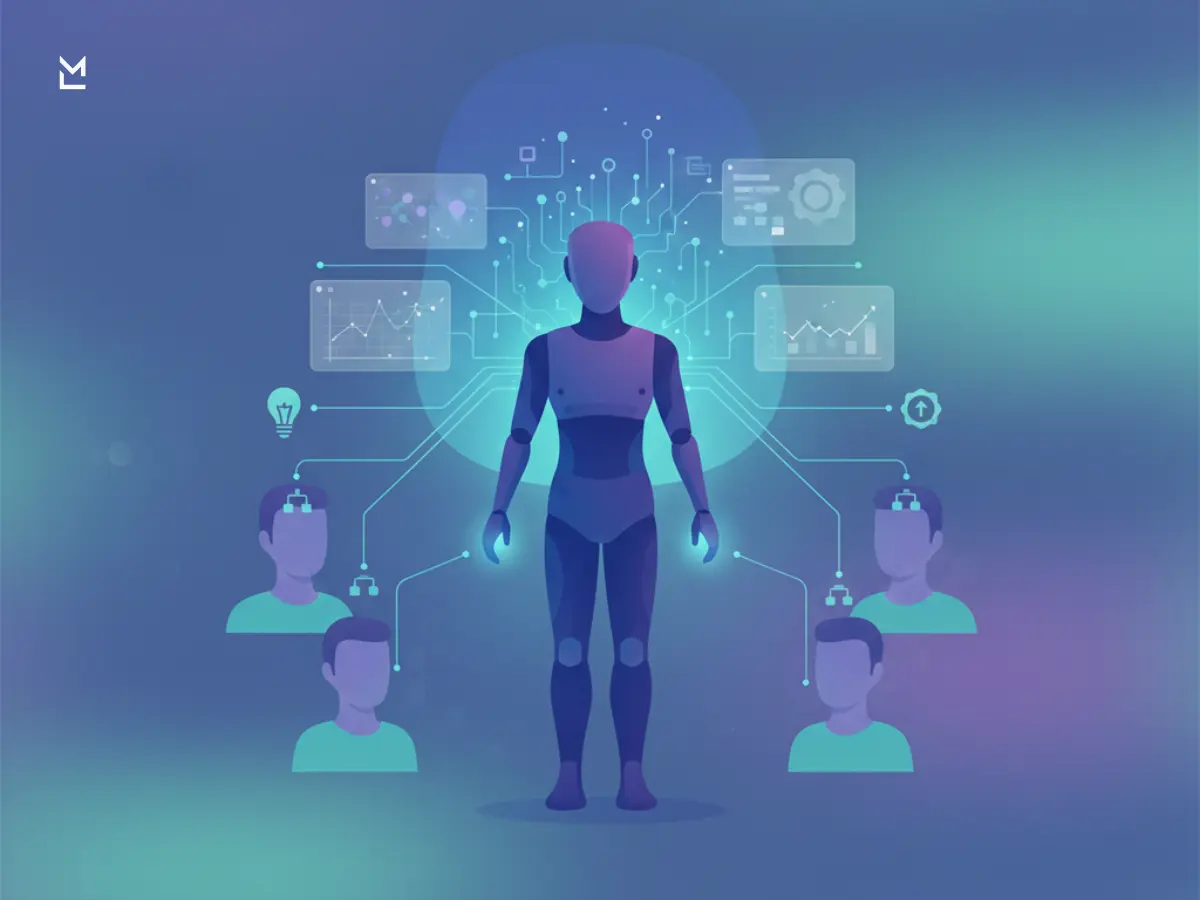
By consistently capturing meetings and discussions, AI tools help implicit knowledge surface & take shape. Patterns emerge, decisions become traceable & what was once informal becomes accessible without losing its human context. This makes knowledge sharing more inclusive and stops valuable insight from quietly disappearing over time.
A knowledge transfer process only works if people don't feel like they have to do some extra work. The moment documentation becomes a chore, it stops happening consistently. That's why so many knowledge management efforts fail - not because people dont care, but because the process feels disconnected from the real work.
AI workflow automation changes that by taking the hassle out of it. Knowledge is collected as conversations happen, without making people stop, summarise or translate their thoughts into formal documents. To do it becomes invisible, reliable & scalable, supporting better collaboration across the entire organisation.
Tools don't just support work, they shape how people behave. When workflow tools make knowledge sharing difficult, teams avoid it. When tools make it effortless, sharing becomes a habit rather than a task. AI-driven workflow tools encourage consistent knowledge sharing by embedding it into everyday actions. Over time, teams stop thinking about whether something should be documented and just trust that it already is. This shift leads to better continuity, faster decision making, and more confident collaboration.
When knowledge is openly shared, people feel respected. They don't worry about being left out of decisions or missing critical context. Instead, they feel included in the bigger picture, which strengthens trust across teams. AI-powered meeting notes support this trust by making information accessible and consistent. Transparency stops being a promise and becomes a daily experience, reinforcing a culture where collaboration feels safe and fair.
There's a common fear that automation replaces human judgment, but in reality, the right automation does the opposite. By handling repetitive tasks like note-taking, AI frees people to think more deeply and contribute more meaningfully. Instead of replacing insight, AI workflow automation supports it. Teams spend less time capturing information and more time interpreting it, discussing it, and turning it into action. This balance leads to better outcomes and a healthier work environment.
MinutesLink slips into this workflow without trying to take the reins. Rather than being just another tool that teams have to wrestle into submission, it quietly helps teams share knowledge by turning meetings into records that actually make sense.
By fitting neatly into the existing flow, MinutesLink makes a real difference - it cuts down on manual effort, makes knowledge transfer smoother, and builds a solid knowledge base that grows with your business naturally.
When knowledge is just out there, in plain sight, learning really starts to take off. Employees get to learn from past decisions, see how problems were sorted, and pick up valuable skills just by being exposed to all that shared experience. As a result of all this continuous learning, your people will get better and better at what they do. Your organisation will become more resilient, more confident, and better equipped to handle whatever comes at it next.

Organisational knowledge shouldn't feel like a static thing that's just going to fall apart at the first sign of trouble. It should be a living, breathing system that keeps pace with your business - one that captures new insights while still holding onto all that valuable experience you've earned over time. AI-powered notes help turn that into a reality. One where your organisational knowledge is key to long-term success, can adapt to how things actually get done in your business, and where everything your people learn today stays around for the future.
As organisations grow, knowledge sharing quietly starts to fall apart from its natural state. In small teams, people rely on being close to each other, on their memories and on those casual conversations to keep everyone in sync. But as soon as the entire organization starts expanding, that easy going flow breaks down. Information starts to spread unevenly, context gets lost and people begin running on slightly different versions of the truth before they even know they're out of sync.
AI-powered notes make knowledge sharing scalable without stripping it of that human touch. Rather than forcing teams into being super formal with their documentation, these tools just capture what's already being talked about in conversations and turn it into something the whole team can understand. Knowledge stops getting locked away in silos and starts moving freely across teams, departments and roles, even as things get a lot more complicated.
Tacit knowledge is where the real expertise lives. You see it in how people phrase their concerns, how they weigh up the pros and cons and how decisions get made under pressure. This kind of knowledge hardly ever appears in proper documents because it's hard to put into words and even harder to remember afterwards.
When meetings are captured and put into context with AI-powered notes, that tacit knowledge starts to come out naturally. Patterns start to emerge over time. Teams can go back and revisit not just the decisions that were made but the reasoning behind them too, preserving all that subtle human insight that tends to disappear once the meeting is over. This makes for a much more robust knowledge transfer process that doesn't rely on memory alone.
Experiential knowledge is the kind that comes from actually doing the work, not just reading about it. It comes together when teams navigate uncertainty, solve unexpected problems and adjust course based on real results. The trouble is, this type of knowledge is often the first to get lost, because it lives inside fleeting conversations rather than structured systems.
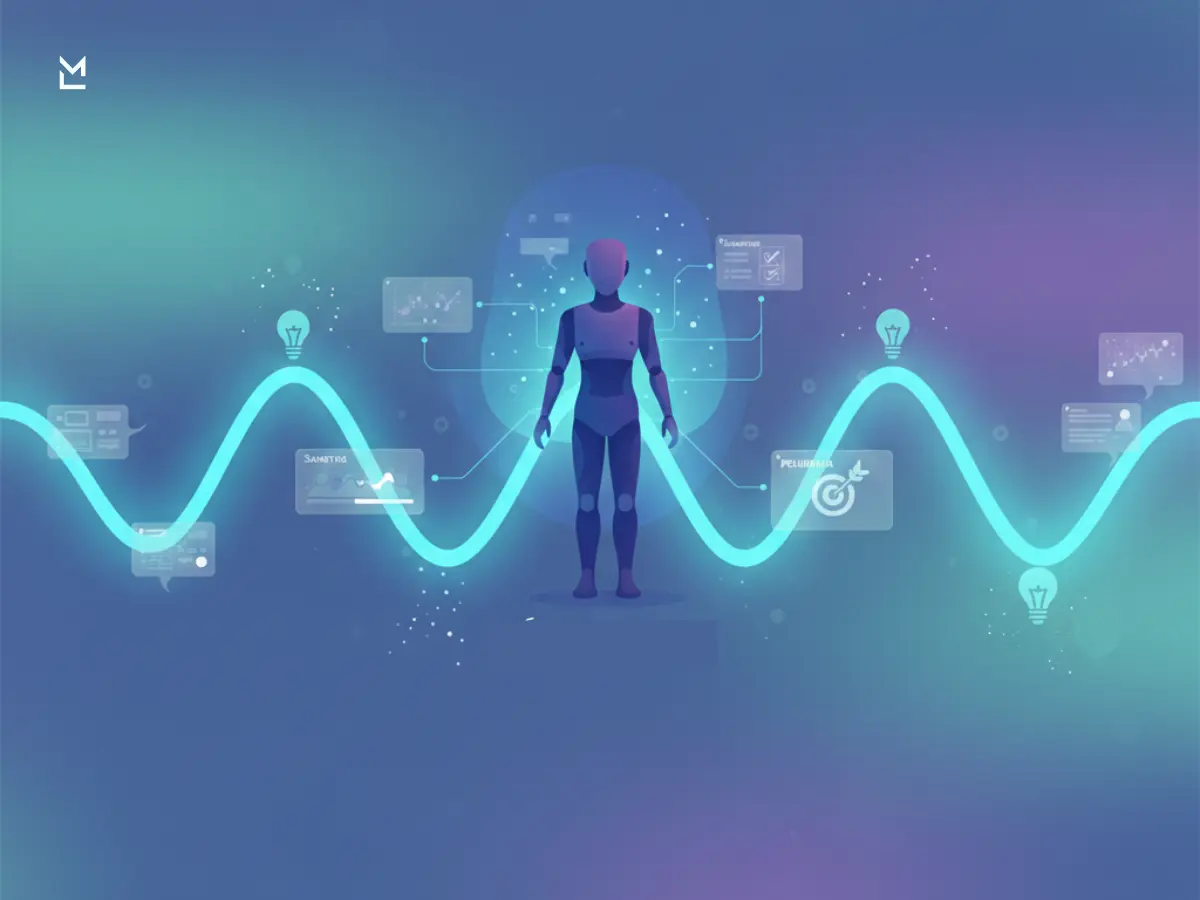
AI-powered meeting notes let that experiential knowledge add up instead of disappear. Teams can see how ideas evolved, why certain paths were chosen and how challenges were overcome. This builds confidence over time because people know they're not starting from scratch every time they work on a new project or make a decision.
A lot of knowledge bases fail not because teams don't care, but because the systems demand too much manual effort. Keeping the information up to date becomes a chore, and eventually people stop trusting what they find there. Once trust is gone, the knowledge base quietly fades into nothingness.
When AI-generated meeting notes feed directly into a knowledge base, that whole dynamic changes. Information stays grounded in real conversations and real work. Teams start to rely on the knowledge base because it reflects how decisions are actually made, not how they were remembered weeks later.
Manual documentation often creates a painful trade-off between speed and accuracy. People either rush through notes and miss important details or spend so much time documenting that they disengage from the conversation itself. Over time, this erodes both the quality of communication and trust. AI workflow automation removes that tension by capturing knowledge automatically while conversations are happening, preserving context, intent, and outcomes without demanding any extra effort from the team. Rather than losing meaning in the process, teams actually gain clarity.
Meeting notes are often seen as disposable, useful only for a short while. However, they are the raw material of organisational memory, documenting how priorities change, strategies evolve, and teams learn from their experience. AI-generated meeting notes transform these fleeting moments into lasting organisational knowledge. Over time, they create a coherent narrative of how the company thinks and grows, strengthening alignment and supporting long-term organisational success.
For new hires, the biggest challenge is rarely the work itself. It's understanding the context behind decisions, the unwritten rules and the shared language of the team. Without access to that knowledge, onboarding feels overwhelming and isolating.
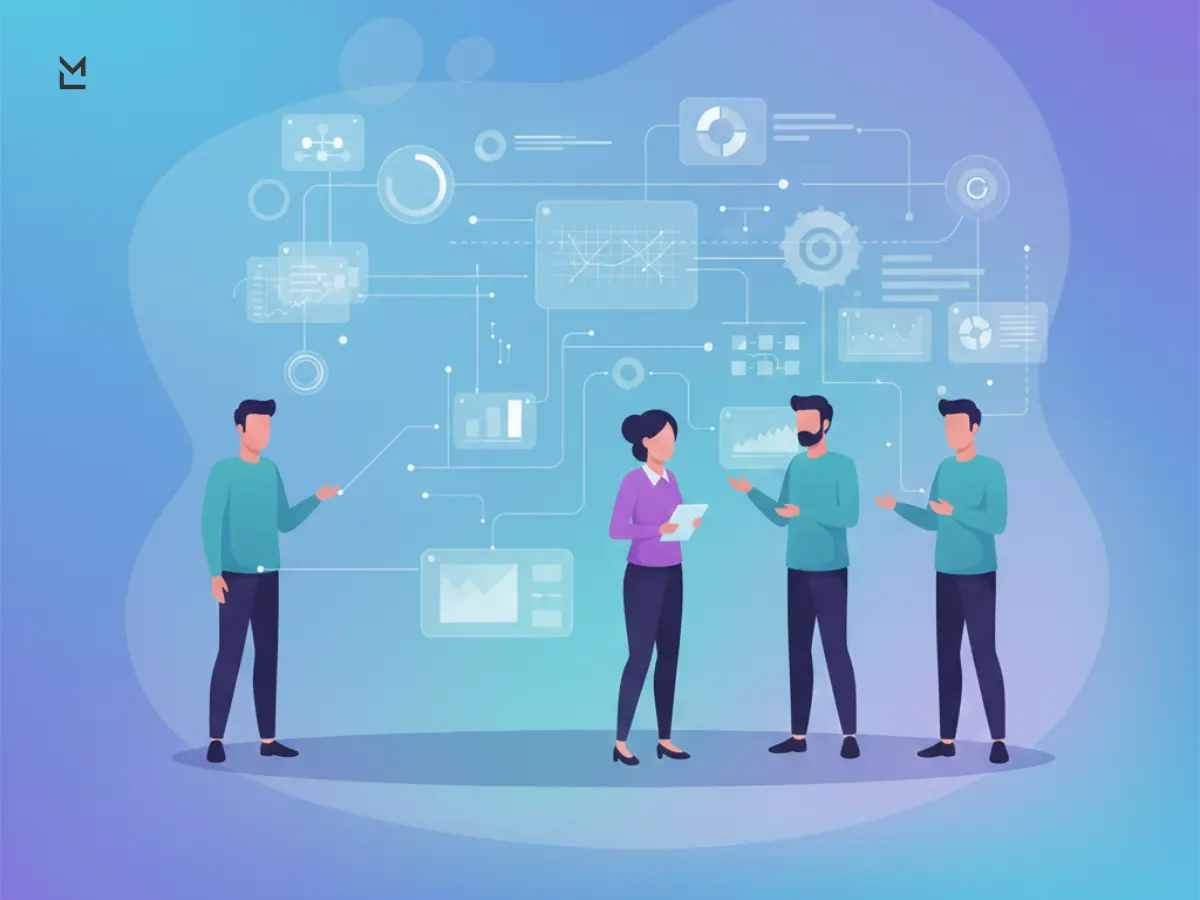
AI-powered notes help new hires step into the flow of the organisation more naturally. By reviewing past discussions and decisions, they get a better understanding of how the management team thinks and how knowledge is shared. This turns onboarding into a learning experience rather than a guessing game.
Remote teams rely heavily on written communication, which increases the risk of misinterpretation and fragmentation. Without shared context, even small misunderstandings can grow into larger problems. AI-generated meeting notes act as a stabilising force for remote teams by providing a shared source of truth that helps everyone stay aligned, no matter where they are located. This consistent, reliable, and accessible knowledge sharing supports collaboration across time zones and diverse work styles.
When knowledge isn't shared effectively, teams unknowingly repeat the same work. Problems get solved multiple times in different parts of the organisation, wasting energy and slowing progress. By capturing problem-solving discussions and outcomes, AI-powered notes create a valuable reference point for future challenges. This allows teams to build on existing insights instead of starting from scratch, making knowledge transfer both efficient and empowering.
AI agents aren't meant to replace human creativity or make big decisions all on their own. When it comes down to it, they're most valuable for quietly making sure the show goes on. They sort through information, tie in relevant context, and stop knowledge from vanishing between one meeting and the next or project and the next.
By acting as knowledge keepers, AI agents help teams stay focused on what really matters. The burden of keeping track of stuff and documenting it all starts to shift off the individual and onto the system itself.
Knowledge sharing only works if it can be easily slotted into the workflow you're already using. Any tool that requires you to constantly switch between apps or manually sync everything is going to create friction that eventually gets ditched. AI-powered notes work seamlessly with things like Microsoft Teams, Google Docs and Google Drive, so knowledge can flow between all your favourite platforms without any bumps. This means knowledge stays accessible wherever and whenever the work gets done.
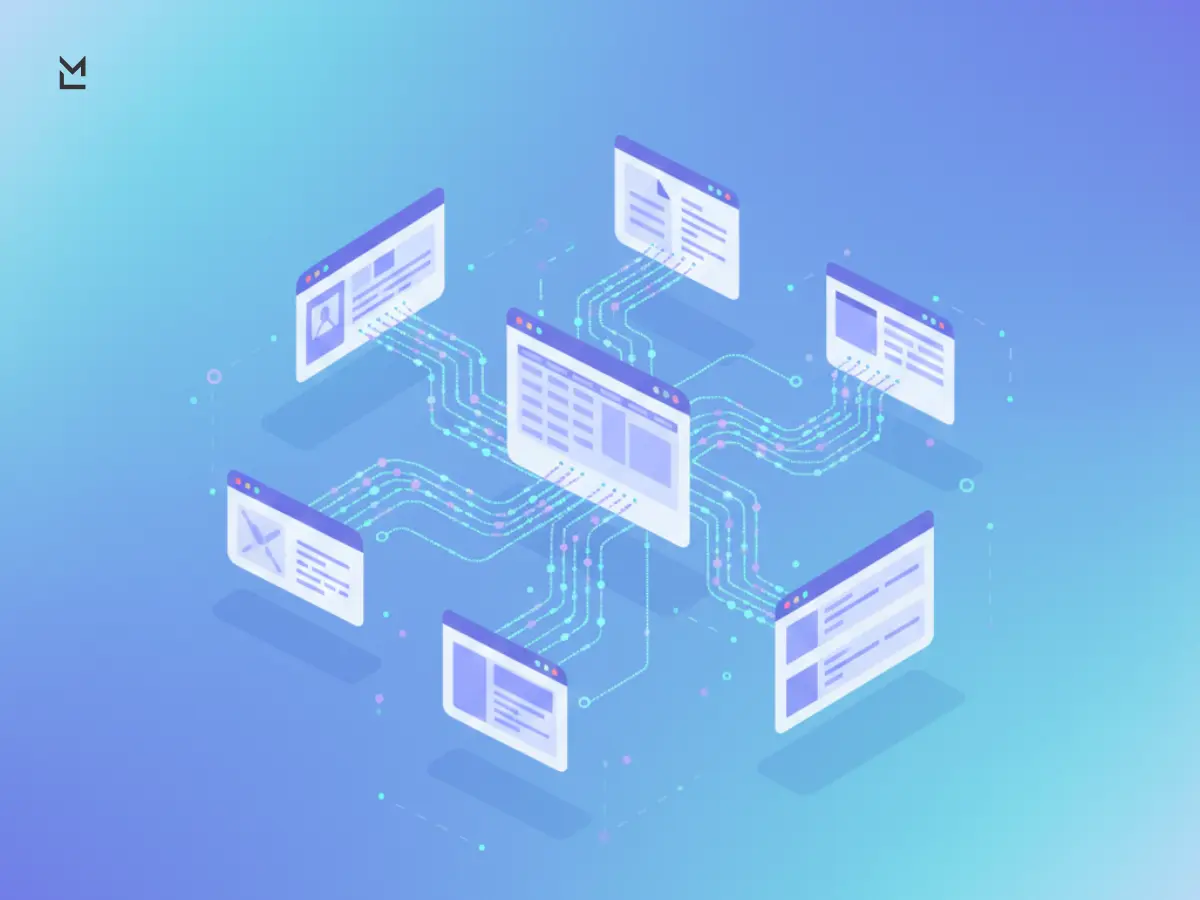
The beauty of business processes is that they improve as teams can look back on past decisions and outcomes. Without any decent documentation, learning stays a kind of vague, hit-or-miss affair. AI-powered notes let business processes evolve in line with real-world experience. Teams can see what worked, what didn't, and why, turning everyday meetings into an ongoing learning loop that only makes business processes stronger.
Any complex workflow needs to be clear and structured to prevent teams from getting bogged down in administrative complexity instead of delivering real value. AI-powered documentation and drag and drop tools provide a transparent picture of decisions and dependencies, reducing mental load and helping teams stay focused on what truly matters. These tools support building workflows that streamline processes and make managing complex tasks more manageable and intuitive.
At the same time, AI workflow automation handles repetitive routine tasks quietly in the background, freeing team members to concentrate on creative and strategic work. By automating mundane activities, these tools not only save time but also foster professional development by allowing employees to develop valuable skills rather than burning out on routine admin tasks. This balance helps protect organizational knowledge, ensuring it remains durable and easily accessible, so teams can build on their collective expertise with confidence.
MinutesLink works because it actually understands how people work in the real world. It captures knowledge without interrupting the flow of things, turns meetings into useful documentation, and supports AI workflow automation without adding a load of extra complexity.
By making knowledge sharing feel natural, rather than forced and awkward, MinutesLink helps teams build up a strong, resilient knowledge base that grows right alongside the people, processes and culture of the organisation.
Knowledge transfer in management is all about making sure that the super valuable insights, skills, and experience that some of your team members have don't get lost down the line. It's simply putting in place a system for moving that knowledge from one person or team to another, so everyone can get in on the learning and build on top of what's already been figured out. Think of it like passing on the recipe of how your organisation really gets the job done - strategies, lessons from past projects, or even just the little tips that make work run more smoothly. When done right, it stops you repeating the same mistakes, speeds up your decision-making, and keeps the team aligned.
Knowledge sharing is the day-to-day habit of making what you know accessible to others. It's not just about chipping in at meetings or firing off emails - it's about creating a system where your insights, experiences and decisions are available to anyone who needs them. When knowledge sharing is working, new staff members are up and running faster, remote teams stay interconnected, and the entire organisation gets a boost from what everyone knows rather than relying on people's memories that can fade. In short, it turns what you know into something everyone can use.
An AI workflow is just a series of tasks in a business process that are guided or automated by artificial intelligence. Rather than having to handle everything manually, AI steps in to help organise, capture and even make decisions in the workflow. For example, an AI workflow might automatically write up meeting notes, sort tasks or suggest what to do next based on what's happened before. It's like having a clever assistant that quietly keeps everything ticking over while you focus on the creative and strategic work that really matters.
Workflow tools are software apps that help teams manage their tasks, processes and collaboration. They make it a heck of a lot easier to track projects, assign responsibilities and keep everyone on the same page. Tools like Microsoft Teams, Google Docs or dedicated workflow platforms help stop your information getting lost, reduce the amount of repetitive work you need to do and make sure that decisions and processes are all documented in one place. Basically, they give you the framework so knowledge and work can flow efficiently across the organisation.
Creating a note-taking template starts with thinking about what kind of information you need to capture regularly. Think about the structure of your meetings, projects or workflows: what decisions, action items, and insights need to be recorded absolutely every time? Then, get those points organised into clear sections - like "Meeting Objectives", "Decisions Made", "Action Items" and "Follow-up Notes". Make it simple, consistent and adaptable, so that anyone on the team can use it without hesitation. Over time, this template becomes the backbone for consistent knowledge capture, making sharing and learning across the team a whole lot easier.
Trusted & Secure


.webp)


.webp)
.webp)
.webp)
%201%20(2).jpg)