.webp)
Written with help from MinutesLink - free AI meeting notetaker for online meetings.
Written with support from MinutesLink — a free AI notetaker for online meetings.
A lot of managers see one on ones as optional or just a casual chat, but that attitude is exactly the problem. A well-structured one on one meeting is so much more than just another meeting - it's a space to build strong relationships over time, create mutual respect, boost job satisfaction, and keep both parties on the same page.
Unlike group meetings where people are often too intimidated to speak up, one to ones let each individual team member open up, share their ideas, and discuss their progress honestly. This means you get more real conversations and better decision making across the team.
When you do them regularly, one on ones become a key driver of employee engagement and professional growth - but too many managers underestimate just how much a few regular check ins can impact retention and motivation.
A good one on one meeting template is so much more than just a list of questions - it's a structured agenda that keeps the conversation on track without feeling forced. You want it to strike a balance between being flexible and consistent.
The best templates have sections for discussing last week's progress, reviewing current projects, giving constructive feedback, and planning next steps. They also leave room for talking about personal development goals and career growth.
Most importantly, a good template helps keep one meeting from turning into a dull status report. Instead, it keeps the focus on the things that really matter, like long-term development opportunities.
A reliable 1 on 1 meeting structure is like a natural flow that works for both the manager and the team member. This structure makes sure nothing important gets missed, while keeping the conversation feeling natural and relaxed.
First, start with some small talk to break the ice, and then move on to discussing the last week, current priorities, and any blockers. After that, shift to feedback, career development, and bigger picture topics.
Finally, wrap up with clear action items and a plan for when to meet again. This structure works pretty well for bi weekly meetings or weekly check ins.
Running structured one on one meetings is one thing - actually capturing what was discussed is another. Without clear notes, action items, and follow-ups, even the best conversations lose value over time.
That’s where tools like MinutesLink help - by automatically recording, transcribing, and turning your meetings into structured notes you can actually use.
Here's a one on one meeting template that you can use right away:
1. Catching Up (5 minutes)
2. Past Week Review (10 minutes)
3. Current Work & Priorities (10 minutes)
4. Feedback & Discussion (15 minutes)
5. Career Development (10 minutes)
6. Wrap-Up (5 minutes)
A good one on one meeting questions list goes way beyond "how's work going?" - it's about sparking real conversations that give real insights.
Instead of asking "what's holding you back?" ask the team member:
And then there are the deeper questions about career development and personal growth:
These questions turn one on ones into real conversations, rather than just checking in.
Loads of managers make the same mistakes when running one to ones. One of the biggest mistakes is turning the meeting into a one-way update session.
Another common issue is skipping structure altogether. Without a meeting agenda, conversations tend to get off track and drift into unproductive territory.Some managers shy away from tough topics in one-on-one meetings, which prevents constructive feedback from happening - and that weakens trust & lets employee performance improvement stall.
Unlike group meetings, where everyone has to share time, one on one meetings are all about one team member and really focus on that one person. This is worlds apart from a group meeting. Group meetings are super useful for getting everyone on the same page but at the end of the day, they just aren't very good for getting down to the nitty gritty or giving each person the personalized feedback they need. Thats why one on ones are so valuable - they fill that gap.
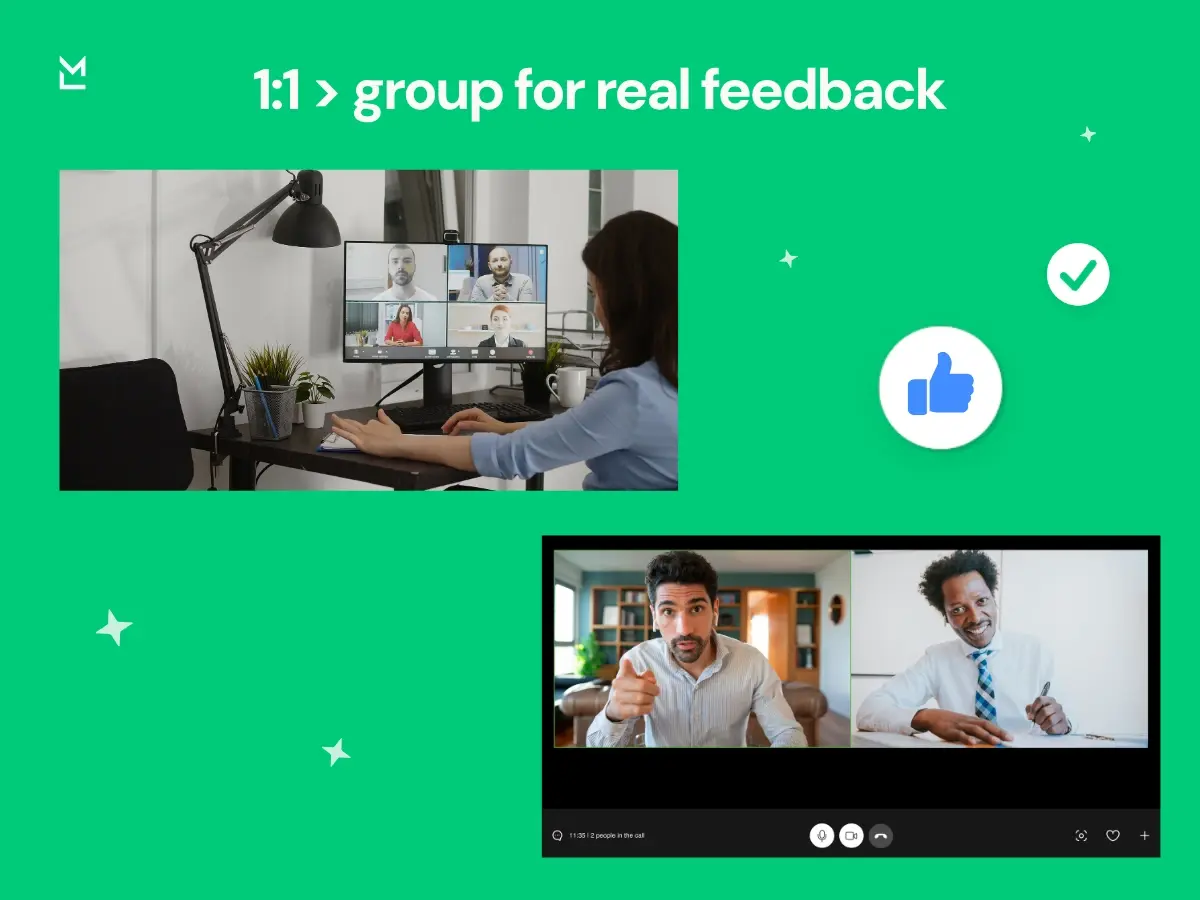
Thats why you need to have both group meetings and one on ones on the calendar but the trick is to use them as complements rather than trying to use one instead of the other. One on ones are actually a type of meeting that are designed with growth and connection in mind - theyre a chance to really get to know your team members.
Honestly, the right frequency for one on ones is going to depend on your team. But generally, managers find that weekly or bi weekly meetings work pretty well.
Bi weekly meetings are a sweet spot - often frequent enough to keep an eye on progress and address any issues that pop up, but not so often that they become overwhelming.
The key is finding a regular meeting time that both you and your team can rely on. That builds trust and helps create a rhythm in your team's work.
It's not all about throwing some template at the problem when it comes to running great one on one meetings - it's also about catching what actually gets talked about in the meeting.
Thats where MinutesLink really comes in and saves the day. It records the meetings, transcribes the whole conversation and automatically churns out structured notes of the key points, decisions, and action items, especially when you use its automated meeting minutes generation capabilities.
So instead of trying to remember everything that gets said in a one on one youre just left to focus on the actual conversation and let MinutesLink AI note-taker for remote teams do the hard work for you.
Having a good one on one meeting notes template really makes a huge difference in keeping track of what was discussed and what needs to be done next. Without a clear plan to capture the key points, even the most productive conversations can fizzle out or go off track over time - especially with regular scheduled one on ones. Continuity and follow up are key to how well the team performs.
You should include key discussion points, the feedback that was shared, action items that need getting done and followups for the next meeting. That gives you a clear record of what was decided and helps both the manager and the team member stay on the same page between meetings, especially if you follow best practices for taking meeting minutes. And it makes it a whole lot easier to keep an eye on progress over time and pick up on patterns in employee development.
A well-structured one on one meeting notes template turns conversations into actual results, much like a solid understanding of what meeting minutes are and why they matter. Instead of relying on memory or halfway decent notes youre creating a system that supports better decision making and long-term growth. Over time this becomes one of a manager's most valuable tools for keeping things on track and people accountable.
To make one on one meetings actually work you need to stick to a structure but still leave room for flexibility. If you don't have a clear plan of action conversations can easily go off the rails or turn into the same old status reports. A good structure keeps things focused while making sure all the important stuff gets covered - but it shouldn't turn into just another rigid checklist. The goal is to have a productive discussion that can adapt to whatever's on someone's mind at the moment.
Is it about current projects, challenges, or personal goals? Thats what separates a real conversation from just a routine meeting. Managers need to be actively guiding the conversation too - instead of just asking for status updates you need to drill down into what's really going on. What are the insights, blockers, and opportunities for growth? This is how you keep the conversation on track with both short term needs and the bigger picture.
Having a quiet space and a private conversation setting is super important for honest and productive conversations. One on one meetings should feel like a safe space where team members can share their thoughts without fear of being judged or getting in trouble - which is especially true when it comes to discussing challenges, feedback or career concerns.
Open dialogue doesn't just magically happen - its something that needs to be built over time with consistency and trust. Managers need to actively encourage team members to speak up and make it clear that their input is valued. This is how you build a trusting relationship that makes team dynamics and communication actually better. When team members feel at ease about being honest, the quality of conversations takes a major leap. That leads to better problem solving, stronger relationships, and far more effective collaboration across the team. In the end, this has a direct impact on employee engagement and job satisfaction.
A structure is just fine to help keep one-on-ones on track, but too much structure can start to feel forced and artificial. If every single conversation follows the same exact pattern with no room for variation, it can cut down on meaningful interaction and zap any enthusiasm. The goal is to create a structure that supports the conversation, not restricts it.
The right balance lets you plan out what you need to go over and still leave room for those random but valuable moments that pop up along the way. This way you're covering all the important stuff without suffocating the conversation with too much planning. Often, the most important parts of a one-on-one come from those unplanned moments of insight.
By aiming for that sweet spot between structure and flexibility, managers can end up with one-on-ones that are genuinely human and actually effective. This makes the meetings feel less like just another formal reporting session and more like a real conversation that drives growth and alignment.
One of the main benefits of using a one-on-one meeting template is that it helps you keep track of progress over time. Without any kind of documentation, it's tough to measure any actual improvement, go back and revisit past conversations, or spot recurring challenges. And over time, that lack of visibility can lead to you missing out on opportunities for development.

By capturing notes from each one-on-one, managers and team members alike can clearly see how things change over the weeks and months. This helps you spot patterns in performance, track development opportunities and keep people accountable for their action items. And it also makes performance review discussions way more grounded & data driven.
Tools like MinutesLink make it a whole lot easier to automatically organize meeting notes, highlight key points and structure action items, similar to many of the top AI note taker tools for productivity. This lets managers focus on the conversation itself, not worry about detailing every single thing manually.
One on ones are one of the most effective ways to support career development and professional growth. Unlike group meetings, they give you the chance to focus purely on an individual team member's goals, challenges and aspirations. That's why they're such an important part of any long term development strategy.
Managers can use these meetings to give personalized feedback, talk about career goals and identify opportunities for professional growth. This helps employees get a clear picture of where they are, where they want to go and how to get there. And over time, this clarity can lead to stronger motivation & better performance.
When you use one on ones consistently, they become a space for continuous learning and improvement. They help team members build new skills, explore new responsibilities and make sure they're still in line with the team's goals and the bigger picture.
Having regular one-on-one chats plays a huge part in building strong manager-employee relationships based on trust & mutual respect - you can't just wing it in a group setting or a casual chat. These relationships are built over time through regular, focused conversations that keep checking in on how things are going. And as you do this, you start laying the groundwork for better communication and collaboration.
When employees feel really heard and supported, they're way more likely to open up and contribute to the team in a meaningful way. This of course all helps to improve team performance and makes the team a more cohesive unit. It also creates a work environment that's way more positive and productive.
Having strong relationships also makes it way easier to have the tough conversations, provide constructive feedback and navigate the inevitable challenges that come up. That's why many managers regard one-on-one meetings as one of their top priorities.
No two teams are alike - so your one meeting template is never going to be a one-size fits all kind of thing. What works for one team might fall flat with another, especially when you get into the nitty gritty of role, responsibilities and team dynamics. What you really need is a template that's flexible enough to adapt to whatever the team needs.
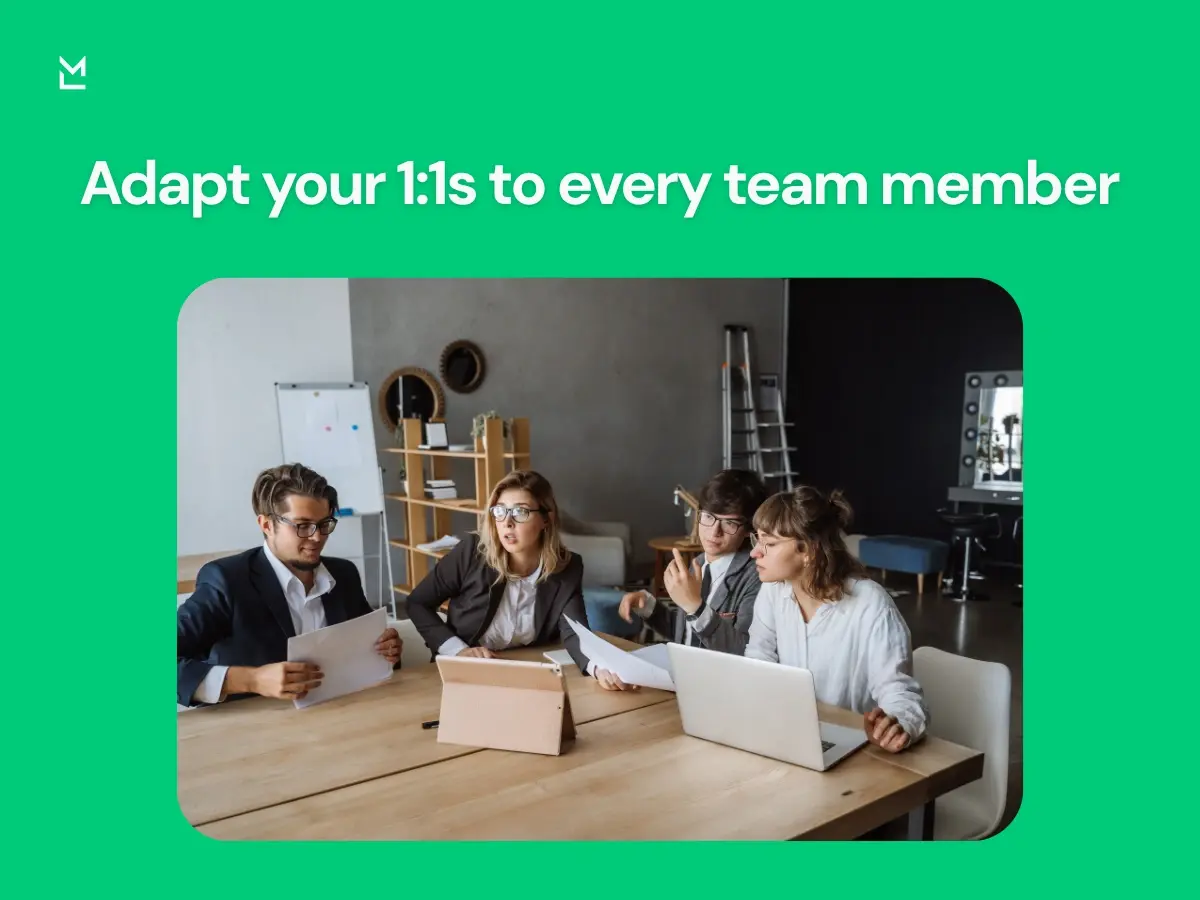
Many managers start off with a template that's pretty standard and then tinker with it based on what they're learning and hearing from their team. This process of refining and adjusting helps make sure that the template is actually doing the job it's supposed to do. It also encourages you to approach one-on-one meetings in a way that feels super personal to the individual team members.
The idea isn't to get it perfect right off the bat - it's to create a template that's only going to get stronger over time. By continually tweaking and adapting the approach, you can end up with a one-on-one meeting structure that's actually pretty effective and engaging.
When team members feel completely at ease being honest, conversations improve dramatically. This leads to better problem solving, stronger relationships, and more effective collaboration. Ultimately, this boosts employee engagement and job satisfaction.
One on one meetings aren't just another task - they're a game changer for team alignment, clarity, and growth. Done right, with a clear plan and the right tools like MinutesLink, they create a system that delivers real results. MinutesLink helps track conversations and notes, making it easier to stay consistent.
With well-run one on ones, conversations become meaningful, relationships strengthen, and teams align behind shared goals. They stop feeling like boring meetings and become engines for growth and progress.
A one on one meeting template is basically a pre-structured format that makes running one on ones a whole lot easier. It keeps the conversation on track, makes sure you're covering all the important stuff, and lets you keep tabs on progress over time. Without one, you're probably just winging it and probably ending up with some pretty shallow chats that are just about checking in and getting weekly updates.
A good one on one meeting agenda is all about striking the right balance - you want to mix up some short term and long term stuff. That means you're talking about what you've done in the past week, what are your current priorities, what feedback you've got for the person and how they can grow in their role. And let's be real - you want to make sure you're having some real conversations that aren't just about day to day stuff.
When you make one on ones a regular thing you're basically creating a space for people to have some real open and honest conversations. You can give them personalized feedback, build a stronger relationship with them and just generally show that you care about what they're doing. And over time that means people are more likely to feel heard, supported and like they're actually on board with what's going on in the team. Which all adds up to higher job satisfaction, better performance and just improved engagement in general.
Most bosses just do weekly or bi weekly meetings with their direct reports, depending on how much work they've got on their plates and what their team's like. What matters more than how often you meet, is that you're being consistent with it. Because if you're meeting up on a regular basis it helps build trust and makes it way easier to keep track of what's going on. Don't go too long between meetings or things just start to drift and it gets a lot harder to stay in touch.
One on one meeting questions are all about driving the conversation forward: they get you talking about the right stuff and help you make sure you cover everything you need to. A one on one meeting notes template on the other hand is all about capturing what's actually been said - in other words it's where you keep track of decisions, action items and all the rest. Both are pretty essential if you want to make your one on ones actually work.
Trusted & Secure


.webp)



.webp)
.webp)
%201%20(2).jpg)