


Written with help from MinutesLink - free AI meeting notetaker for online meetings.
Written with support from MinutesLink — a free AI notetaker for online meetings.
Workload management is all about planning, monitoring and adjusting how work is distributed across team members. Its about making sure that each person's tasks align with their skills, the team's capacity and project deadlines - rather than just throwing tasks at people like a handful of jigsaw pieces. Good workload management means you can distribute work properly and allocate resources so everyone in the team is working efficiently.
When it comes to project management in the modern workplace, teams often have to juggle multiple projects at the same time. But without effective workload management, team leaders end up creating overloaded team members while others sit twiddling their thumbs - and that leads to poor project planning and delayed projects.
Effective workload management also helps with resource management. When you know what each team member is doing and how much they can realistically handle, you can make better decisions about how to allocate resources and plan future projects - and make sure the whole team is working at a healthy pace.
One of the biggest headaches for organizations is managing workload at work because everything is constantly in flux. New project tasks spring up, priorities change, and team members are often working across multiple projects at once. Without a clear workload management strategy in place, it becomes a nightmare to manage your team's workload and keep performance consistent.
One of the biggest issues is lack of visibility into the team's workload. When project managers can't see what everyone is up to, it's like trying to thread a needle from across the room - they can't identify which team members are overworked or if the workload is getting out of balance. And this leads to missed deadlines and project delays.
Another challenge is the lack of decent tools to track employee workload. Teams that rely on spreadsheets or manual tracking often miss the boat when it comes to tracking employee workload accurately - and this makes it really hard to adjust workloads when project schedules change.
And then there's communication - or the lack of it. When team members aren't on the same page about priorities or responsibilities, project tasks can end up getting duplicated or falling behind. Regular team meetings and clear project planning keep these issues at bay and help improve collaboration.
So what makes effective workload management work? There are a few key elements that support team efficiency and help teams manage workload like a well-oiled machine. These elements make it easier for project managers to evaluate team capacity, track project schedules and adjust workloads when things get hairy.
Resource allocation is key - teams need to make sure that tasks are assigned based on team members' capacity, experience and availability. Proper resource allocation prevents people getting overloaded and ensures everything gets done efficiently.
Knowing exactly what each team member is working on is also crucial. Teams that track all their tasks in a project management system can better monitor employee workload and avoid missing deadlines. And this visibility also helps project leaders see how project tasks align with project milestones and overall goals.
Time tracking is another major player in effective workload management. By tracking how long team members spend on tasks, organizations get a real picture of the workload and can identify tasks that are slowing down productivity. And this insight helps project managers improve workload management and plan future projects more accurately.
Getting to grips with team capacity is key to managing workload effectively and making sure the workload is evenly distributed across the team. When you know how much work the team can realistically handle in a given period, you can make better decisions about workload management and avoid overloading people.
Without capacity planning in place, project managers end up assigning too many tasks and creating a recipe for disaster - tight deadlines, stress and low productivity. Capacity management helps teams evaluate team availability, members' workloads and overall workload capacity before assigning project tasks.

Capacity planning also helps teams prepare for future projects. By looking at team members' capacity and current workload, organizations can work out whether they need extra resources or need to adjust project schedules. This forward-thinking approach helps plan resource scheduling and supports long-term team performance.
Project managers have a huge role to play in managing workload and ensuring effective workload management across the organization. They're responsible for assigning tasks, monitoring project schedules and making sure team members know their role within the project management process.
A key step is prioritizing tasks. Project managers need to work out how many tasks the team can realistically handle and which ones are most important for meeting project milestones. They should prioritize tasks based on project deadlines, resource availability and overall business goals.
Another responsibility is adjusting workloads as projects evolve. When unexpected challenges come up, project managers may need to reassign tasks or allocate resources differently to keep the team running smoothly and balanced. This means making sure that overloaded team members get the support they need and the workload stays balanced across the entire team. Project Managers often rely on team meetings to keep everyone in sync - its a regular thing. These get-togethers help the team stay on the same wavelength - they get to understand what really matters, see how they're progressing, and pick up on potential workload issues before they start to drag the team down.
Resource management and workload management are like two peas in a pod because they both boil down to figuring out how to get the right people on the right jobs and get the work done with the resources you've got. Companies that make a real effort to get resource management right often find their teams are working more efficiently, and projects are getting the results they should.
Resource Management tools help project managers keep an eye on whats going on - like who's using up their time, who's got capacity left, and how much work each team member is actually handling. And those tools give you the insights you need to manage the workload and stop people from getting overwhelmed.
When you get resource allocation right, that also helps out with capacity management. When teams know how much they can handle and what resources they have available, they can actually start to plan their projects a bit more sensibly. That makes it less likely that deadlines are going to get missed, and that project tasks are going to get left trailing behind.
Lots of organisations actually depend on these same strategies to stop team members from burning out. They work by balancing how much work everyone has, while making sure the tasks that get done line up with the company's goals.
One of the most effective workload management strategies out there is breaking down those huge projects into smaller, more manageable tasks. This makes it much easier for the team to see how they're doing, and team members get a clear idea of how their tasks fit into the bigger picture.
Another key strategy is just getting better at managing your time. When team members can figure out where they're spending their time and prioritise tasks more effectively, they can handle their workload way more efficiently. Time tracking tools are super helpful - they let teams see how things are going and make changes when they need to.
It also really helps to do some proper capacity planning. By looking at how much work each team member can handle and how long projects are going to take before you assign tasks, you can make sure the workload stays balanced and nobody gets overwhelmed.
Managing a team's workload is more than just doling out tasks and crossing your fingers - it requires a real strategy that lets project managers get a good read on team capacity, figure out what really matters, and assign resources in a way that doesn't leave anyone drowning in work. When teams stick to a clear plan, they can keep the workload balanced and make sure that nobody gets overwhelmed.
The first thing you need to do is get a solid picture of what's going on across the whole team. Project managers need to be able to see what tasks everyone is working on - not just the project stuff, but all the meetings, ongoing responsibilities, and day to day chores that add up. Without that visibility, you can't really manage the workload or spot the people who are getting swamped while others have loads of free time.
Next up is figuring out how much capacity your team really has - how many tasks each team member can realistically handle depending on their skills, their schedule, and what's already on their plate. By doing some capacity planning, teams can avoid those crazy-making deadlines and let project managers make the best use of the people and resources they've got.
Once you know what you're dealing with, you can start prioritizing tasks based on what really needs to get done and when it needs to be done by. Not every task is created equal - some of them will be super important, while others can slide on down the list. By prioritizing, you can make sure everyone is working on the stuff that really matters and staying focused on the project goals.
Another thing you need to do is be willing to adjust workloads as things change. Projects ebb and flow, priorities shift, and the unexpected happens - so project managers need to be able to shift tasks, adjust workloads, or redistribute responsibilities in a way that keeps everyone on an even keel.
Regular check-ins with the team are also key to getting the workload under control. When everyone is on the same page, it's a lot easier to manage the workload and keep the project moving along.
Finally, teams should be using some kind of workload management tool or project management software to keep track of everything and make resource management a bit easier. These tools let project managers see what everyone is up to, keep an eye on the project schedule, and make smart decisions about how to allocate resources. With a better handle on the workload, teams can finally get a handle on productivity.
Modern teams need tools to keep an eye on employee workload and make sure projects are on track. These tools give you a clear view of tasks, resources, and team capacity, so it's way easier to manage workload across loads of different projects.
A workload management tool usually has a dashboard that shows the team's workload in real time - that way, if someone's getting in over their head project managers can jump in and sort it out before things get out of hand.
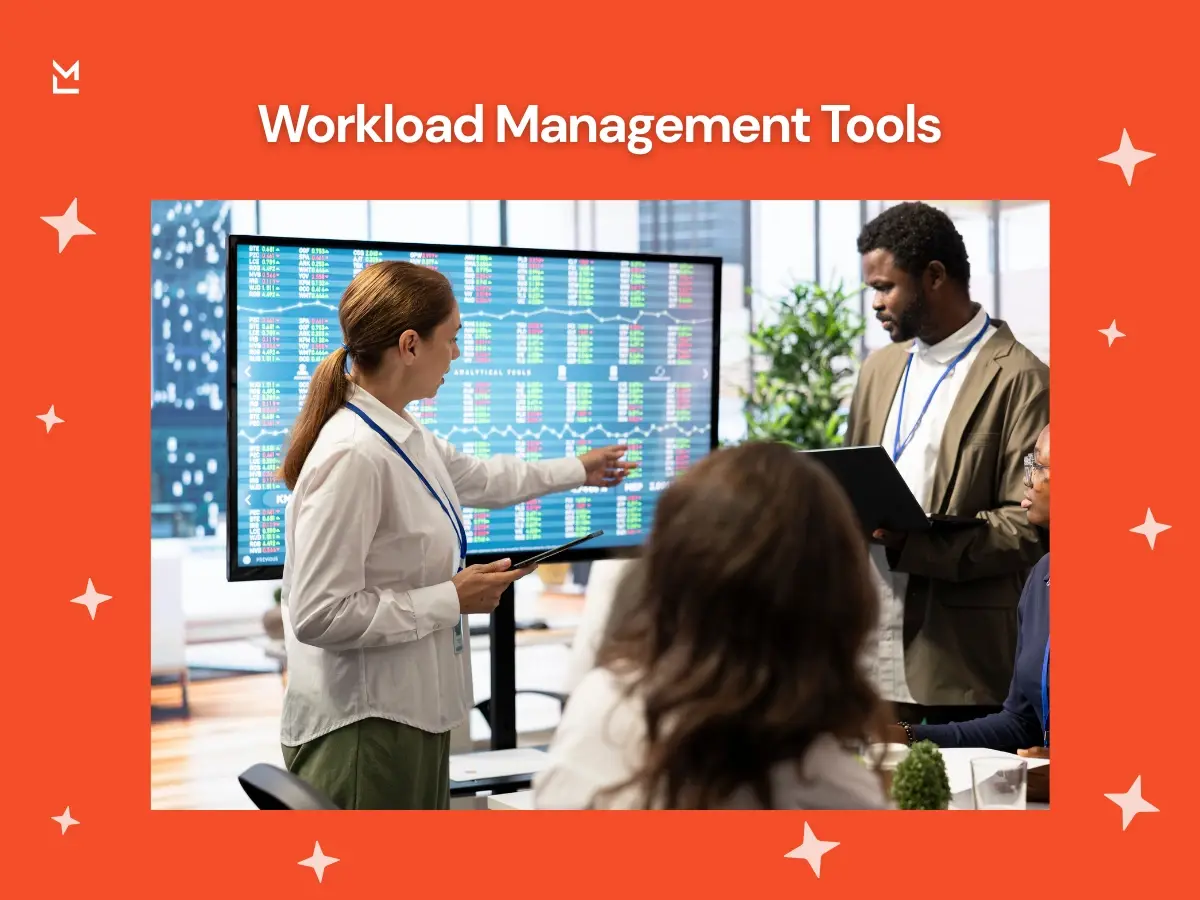
Workload management software also helps teams keep an eye on project schedules and milestones. With a clear view of all the tasks, teams can keep everything on track and make sure tasks are in line with the overall project goals.
Resource management tools make workload management even better by helping teams keep track of resource scheduling and resource use. This means organisations can make the most of the resources they've got, and keep the workload balanced.
Project management software is a key part of modern workload management. Teams use it to manage project tasks, assign work, and track progress across loads of different projects.
One of the big benefits of project management software is that you can manage all your tasks from one place - no more juggling loads of different systems to keep track of everything. This makes it way easier for team members to collaborate and reduces confusion about who's doing what.
Project management tools also make it super easy to manage resources and plan for team capacity. By seeing what the team can do and what's available, project managers can get the work out to people where it's most needed.
Another big benefit is better time tracking and reporting. Project management software lets teams see how they're doing and identify areas where they can be more efficient - and that really helps to boost productivity.
Communication is absolutely key in getting workload management right. Even the best workload management tools can't replace good old-fashioned communication between team members and project managers.
Regular team meetings are crucial - they keep everyone on the same page, make sure everyone knows what to do and what's expected of them. Those meetings are also a great chance to review project timelines, discuss any issues that are coming up, and make any necessary changes to the workload.
Good collaboration between team members is super important too. When team members can talk openly about their workload and their capacity, project managers can get resource allocation right and keep the workload balanced.
When communication is good, teams can stay focused even on the toughest projects - because everyone's clear on what needs to be done and when it needs to be done.
One of the main goals of workload management is making sure team members aren't overloaded. When people are too busy, their work quality suffers and they get stressed out.
Project managers need to keep an eye on team member workloads and make sure the workload doesn't get too much for anyone. This means taking a close look at project schedules, checking team capacity and adjusting the workload when you need to.
Another thing that really helps is automating any repeat tasks, so team members have more time for the really important stuff that drives team performance up.
It's also really important to create a culture where employees feel happy to talk about their workload when it's getting too much for them. When teams feel like they can talk about their problems, they're way more likely to stay happy and healthy.
Workload management has a real impact on team productivity. When teams get the workload right and resources are allocated wisely, team members can focus on doing good work, rather than juggling loads of competing priorities.

A balanced workload is a huge boost for team performance. When team members aren't drowning in work, they can do their jobs to a really high standard. This also means team collaboration gets way better, because people can actually focus on working together instead of worrying about their own workload.
When workload management is done well, teams are way more likely to hit their project deadlines - because they're not running around like headless chickens trying to catch up. You end up with steady and consistent progress on all your projects.
Meetings are often when loads of tasks get agreed, and decisions get made that have a real impact on the team's workload. But without clear notes of what happened, team members can lose track of what they need to do next.
Tools like MinutesLink really help here. They let teams capture meeting notes, summarise key decisions and even generate task to-do lists. This means team members can be sure of what they need to do next, and nobody misses out on important tasks.
When teams document meeting outcomes in a clear and transparent way, project managers can fold those decisions into their workload management process. This makes it way easier to manage tasks and stay on top of the workload.
Planning is really at the heart of good workload management. By taking the time to think about what needs to be done and when, teams can make sure they're always ahead of the game.
When teams can really take the time to think about what work needs to be done, and how to do it, workload management becomes a whole lot easier. This is especially true when you're working on complex projects - by taking the time to plan carefully, teams can make sure they're doing the right work at the right time, and avoiding unnecessary work along the way. Project planning is absolutely key to effective workload management. Without it, teams are likely to struggle with haphazard project planning and wasteful resource allocation.
Good project planning starts with setting out those key project milestones and figuring out what needs to get done to reach them. That way, project managers can get a rough idea of how much capacity the team has, and make smart resource decisions accordingly.
Project schedules are another vital part of the equation. By making sure everyone knows what's due and when, teams can manage their workload a lot more effectively - and avoid those dreaded last-minute scrambles that really take a hit on productivity.
These days, a lot of teams are juggling multiple projects at the same time, which just adds to the workload management headache. Project managers have to juggle competing priorities and limited resources, and it can get pretty crazy pretty fast.
Resource management tools are a big help in this situation - they let you see at a glance how workload is being spread across multiple projects, and give project managers the insight they need to make better resource calls.
But it's not just about the tools - teams also need to stay on top of their current workload all the time. Regular check-in's are a must, so that project managers can keep an eye on things and make any necessary adjustments to keep the workload balanced, even on complex projects.
Workload management isn't just something you do once and then forget about - it's an ongoing process that needs to be constantly monitored, adjusted and communicated among team members.
Teams that build a solid workload management process usually see a big improvement in team efficiency and resource utilization. It helps them manage their workload in a consistent way, even when project requirements are changing all the time.
A strong workload management process also includes regular training for team leaders and project managers, to help them develop their resource management skills. And those training sessions make sure everyone has a good understanding of best practices for capacity planning, workload distribution and project management in general.
Clear communication is absolutely vital when teams are managing a complex workload. Meeting discussions are often where key decisions get made about resource allocation, project schedules and task priorities.
MinutesLink helps teams capture those meeting discussions, and automatically summarize meeting outcomes - which means everyone knows what their responsibilities are, and project managers can integrate meeting decisions into their workload management strategy with ease.
By capturing meeting summaries and action items, MinutesLink makes sure teams stay transparent and helps them work together better. And ultimately, that means they can manage their workload more effectively - and plan for future projects with much greater confidence.
As more and more organisations start to adopt digital tools and distributed work environments, the importance of workload management is only going to grow. Teams are going to have to rely on high-end workload management software, resource management tools and project management platforms to manage complex projects efficiently.
Future workload management strategies are going to be all about getting a better handle on visibility, automating tasks and making decisions based on data. Teams will be using workload management tools more and more to analyse team capacity, optimise resource utilisation and boost team productivity.
Any organisation that gets its workload management right now will be way ahead of the game when it comes to handling future challenges. By combining solid project management practices, effective workload management tools and clear communication, teams will be able to keep their workload balanced - and deliver better project outcomes as a result.
Workload management is actually all about keeping track of how work gets spread around your team. It's about making sure that projects are moving along as planned and that no one is feeling overwhelmed. In the end, when done right, teams end up with more productivity, fewer missed deadlines and a much more manageable pace of work.
Most teams manage workload best by taking a good hard look at what they're actually working on, figuring out just how much they can realistically handle and then prioritizing tasks based on what needs to get done and by when. Regular team meetings, clear communication and making sure everyone has the right tools are all super important. Plus, many teams use all sorts of software and tools to track their progress, manage workloads and figure out how to adjust when priorities shift.
Poor workload management often shows up in the form of overwhelmed team members, missed deadlines and just plain low productivity. Teams may also struggle to keep track of what needs to get done, be unclear about who's in charge of what or constantly find themselves scrambling to meet tight deadlines. It all usually boils down to bad project planning, a lack of visibility on the workload side of things or just plain mismanaging resources.
Well, loads of teams use all sorts of workload management software and project management tools to keep track of what needs to get done, manage project schedules and keep an eye on how much of a workload each employee is carrying. These tools give project managers visibility into the workload so they can make better resource allocation decisions. They also support things like time tracking, planning for how much capacity everyone has and generally making sure tasks are getting managed across all the different projects.
Meetings often end up generating all sorts of new tasks and decisions that can really impact the team's workload. If those decisions aren't properly documented, team members can easily lose track of what they are supposed to be doing. Tools like MinutesLink help teams keep meeting summaries on track, highlight all the key action items and keep everyone aligned so that the workload management process stays organized.
Trusted & Secure


.webp)



.webp)
.webp)
.webp)
%201%20(2).jpg)
