Written with help from MinutesLink - free AI meeting notetaker for online meetings.
Written with support from MinutesLink — a free AI notetaker for online meetings.
Even the smartest teams hit a wall when cognitive load gets out of control. Too many topics, too many people talking, too much to keep track of - people are nodding along, scribbling down bits and pieces, or just relying on memory, but it's all just too much for the brain to handle. That's why all those important details get lost - the ones that could've helped guide future decisions. Knowledge transfer just gets tanked, and what was talked about in one meeting might as well never have happened.
You know how it goes - several projects, overlapping tasks, and a whole bunch of discussion points all coming at you at once. The more your team talks, the more mental space you're taking up, and the more your ability to keep track of things just shrinks. Action items get missed, next steps get all vague, and even if you do get around to writing meeting minutes - which isn't always a guarantee - they can't possibly capture everything that went down. Cognitive load is like a sneaky force of friction slowing everything down without anyone even noticing.
And it's not even like people are being careless. Our brains just aren't designed to be walking knowledge bases for a high-speed workplace. When team members get too loaded down, decisions become reactive - not strategic - and all the good ideas that could've helped shape the next project get lost before they can even be used.
When we don't have some way to keep a record of what we've talked about, teams are basically constantly trying to retrace their steps. It's not just that knowledge is lost - it gets spread out all over the place, and everyone ends up with a pretty poor grasp on the decisions that really should be guiding their work. Productivity drops off, frustration levels go up and people start to feel like they're just running in circles with no idea what's really important or what can wait.
Even the most experienced team members aren't immune to this. With complex projects, weird schedules, and distributed teams, it's even easier to lose sight of what's going on. And because our brains only have so much room to hold on to stuff, knowledge transfer becomes the bottleneck - not because the team isn't capable, but because people can't possibly remember everything all of the time.
AI can really turn things around for us. By automatically recording meeting notes, structuring discussions, and tracking action items, tools like MinutesLink free teams from the weight of having to remember everything. Critical decisions get written down, knowledge stays safe, and next steps are crystal clear.
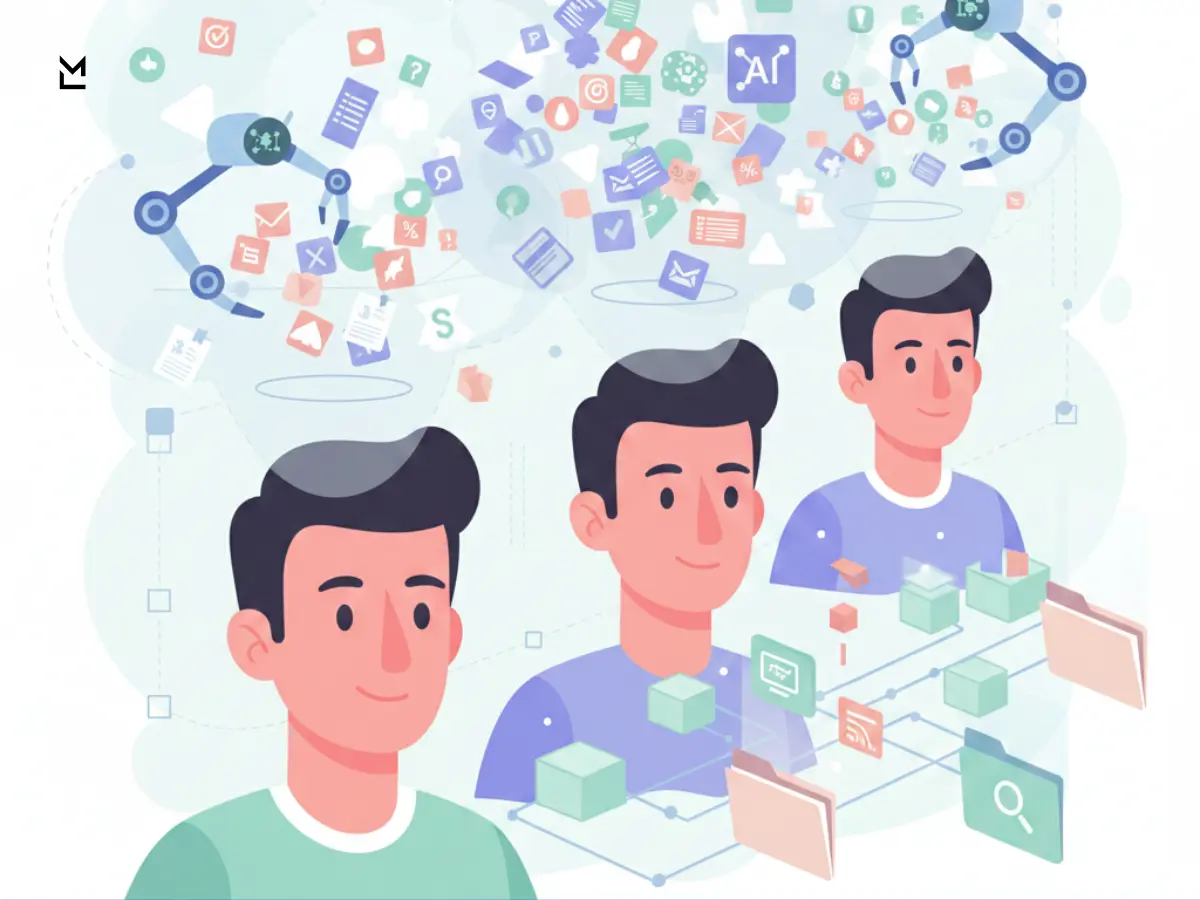
Meetings become more focused, so marketing team members and others can actually use their brains for coming up with new ideas and solving problems, rather than trying to remember stuff from last week. AI becomes an invisible helper, cutting down on mental strain and keeping knowledge available for future reference - without replacing human judgement.
Cognitive load increases when teams rely on memory to track decisions, tasks, and context across meetings. Even the most attentive participants forget details once discussions stack up and priorities shift. This is where structured meeting documentation makes a measurable difference.
MinutesLink reduces cognitive load by capturing meetings automatically and turning discussions into clear, searchable meeting minutes with well-defined action items. Instead of holding information in their heads, teams can rely on a shared record that preserves decisions, ownership, and reasoning.
By offloading recall to a system built for context, teams spend less mental energy reconstructing conversations and more time executing on what matters. Meetings stop creating noise and start supporting focused, confident decision-making.
Even people who are actively paying attention lose details faster than you'd think. Discussions just generate so much information that it's easy to lose track of what's really important. Relying solely on memory is just a recipe for losing key knowledge, which means decisions get fuzzy and teams end up feeling exhausted. Having detailed meeting minutes as a roadmap is a big deal - it helps capture action items, decisions, and responsibilities. Without it, even the smartest teams can start to feel lost, piecing together bits and bobs of what they think happened.
Imagine having lots of teams working together with overlapping priorities - without clear action items and good knowledge sharing, decisions start to conflict, work gets duplicated, and frustration levels go right through the roof. Good knowledge transfer isn't just for onboarding new people - it's what preserves the company's collective memory, and helps keep ideas, strategies and key decisions on track.
Knowledge management systems take all the raw discussion and turn it into structured, usable insights. AI tools can automate this process, so meeting minutes get turned into valuable knowledge. When we reduce the cognitive load, teams can actually focus on solving problems and coming up with new knowledge, and knowledge transfer just becomes a normal part of the workflow - and it gives a lasting benefit every time a discussion happens.
Ever find yourself having brilliant ideas in the middle of the night or walking out of a meeting feeling utterly drained, as if your brain had been put through a wringer? That's cognitive load at work. When your brain's juggling too many things all at once - tasks, decisions, deadlines - it just can't cut through the noise. Even the smartest people can get completely overwhelmed and important reminders can fall through the cracks before they even make it onto a to-do list, let alone get done.
This isn't just frustrating - it's expensive. Missed decisions, misaligned teams and lost ideas can slow a project down by days or even weeks. But it's not because people don't care - it's simply because our brains only have so much capacity. Which is why organisations that rely on memory or dodgy notes often struggle with transfer knowledge effectively.
Structured meeting minutes, along with some thought put into documenting action items, can make all the difference. They take the weight of remembering everything off the shoulders of your staff, freeing them up spend their energy on the stuff that really matters: strategy, creativity and problem solving rather than trying to keep every detail straight.
Not all productivity tools are created equal - some just add to the noise. To get real results, you need to find tools that actually fit into your workflow, help with knowledge management, track decisions and make meeting notes actually useful. Something tools shows you how it's done, capturing those conversations in real time and turning them into actionable to dos. Everything gets organised in a way that's easy to follow, so teams can focus on the work at hand instead of trawling through scattered notes.
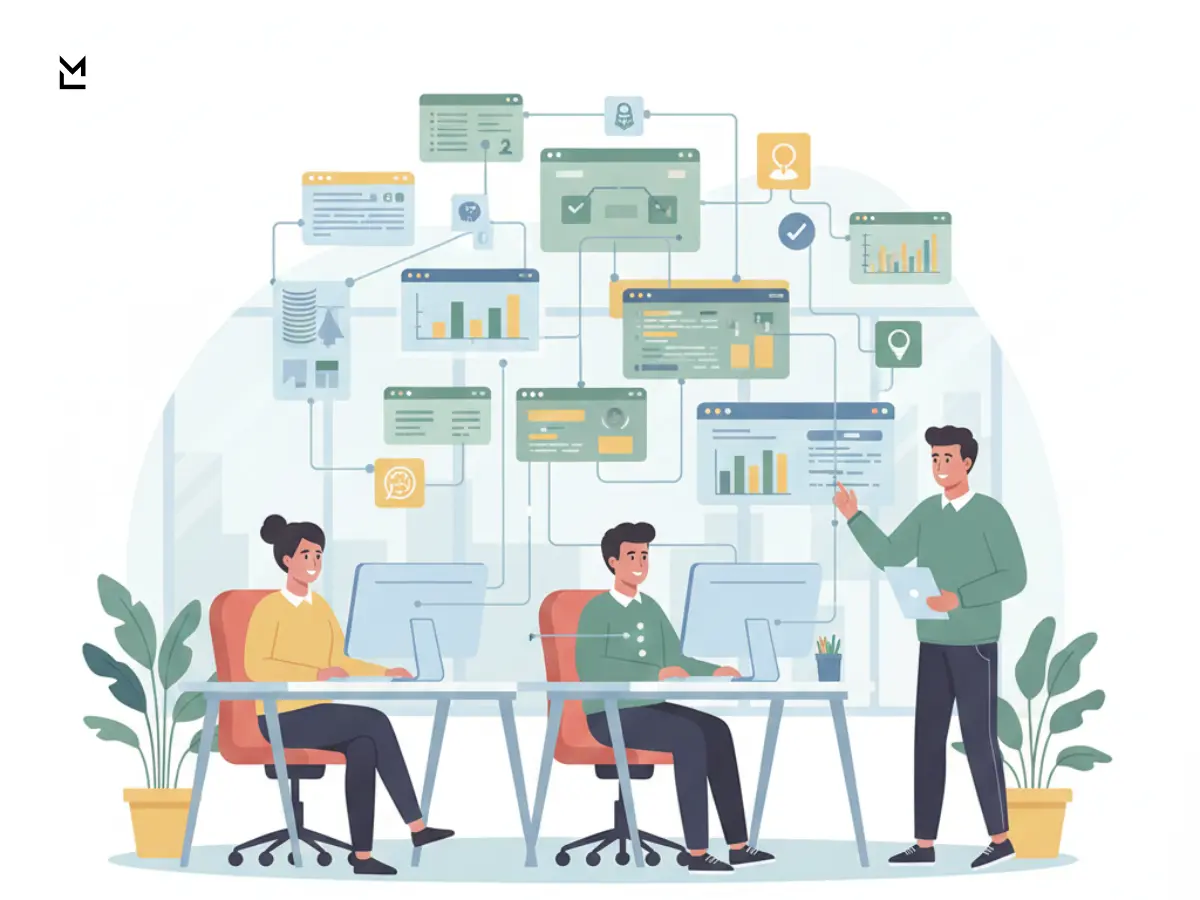
When AI takes over note taking, the cognitive load drops like a stone. Teams don't have to rely on their memories anymore, so critical decisions get preserved and the next steps are always clear. Knowledge gets passed from one team member to the next with ease, and collaboration just runs naturally - without needing to clarify things every step of the way.
If you don't have a proper system in place, knowledge can slip right through your fingers - leaving teams retracing their steps, missing deadlines and feeling frustrated as a result. All those great ideas and decisions just vanish if they're not recorded somewhere - leading to slow productivity and a whole load of confusion. Even the most experienced teams struggle when a project gets complex or is spread out across different time zones.
Tools which use AI ensure that action items and decisions get tracked. Everyone can see what's been agreed, what still needs doing and how the different pieces of the puzzle fit together. With this structured approach, stress levels drop, teams stay on the same page and projects just keep moving forward - much more efficiently.
Meetings can be a real headache - but capturing notes, decisions and next steps makes them a whole lot better. Without proper documentation, it's all just a bunch of fuzzy memories and teams end up wasting time trying to piece things together. AI-generated notes summarise the key points, highlight the specific tasks and give you a reliable reference that everyone can use.
This system keeps your projects on track, supports decision making and makes cross-department collaboration a whole lot smoother. New team members can get up to speed in no time - everyone stays aligned and knowledge doesn't disappear the moment the meeting is over.
Cognitive load is no joke - juggling tasks, projects and meetings without anywhere near the right level of documentation is a surefire way to make mistakes and delay things. Tools that use AI to capture everything in real time cut right through this burden, letting teams stay focused, go back and revisit discussions when needed and make decisions based on the complete picture rather than just fragments of memory.

Productivity goes up, stress goes down and meetings actually become useful for a change.
Cognitive load is a real thing. Every team member is juggling multiple projects, deadlines and meetings. When action items aren't clearly documented, that mental weight increases and before you know it, mistakes are being made, stress is building and decisions are being delayed. AI-powered tools can help lift that load by turning those raw meeting discussions into actionable meeting notes.
With MinutesLink, it's a total breeze. We no longer have to frantically scribble down notes while trying to keep up with the conversation - the tool is capturing everything in real-time, allowing team members to focus on coming up with new ideas, problem solving and staying engaged. By sorting out the mental clutter, teams can make better, faster and more confident decisions.
AI-generated meeting minutes also help us keep things consistent, even if someone misses a meeting, they can catch up in an instant and understand the decisions, assigned tasks and priorities. This reduces bottlenecks in the knowledge transfer process and means we don't have to spend days rehashing the same conversations.
A strong knowledge management system is more than just a dusty old archive of notes - it's a living resource that lets teams track project progress, recall new ideas and keep continuity across projects. When knowledge is documented and easily accessible, decision makers can rely on decision support systems because all the context is there in front of you.
The beauty of AI-assisted documentation is that it turns meetings into a long-term resource. Every meeting agenda, every action item and every specific task gets stored and indexed so it's easy to go back and find. Over time this creates a knowledge transfer process that's both sustainable and scalable, letting the organisation grow without losing a single thing.
Sharing knowledge works best when it's just a normal part of how things work around here. Teams where ideas get bounced around freely create a space where people feel confident pitching in, solving problems and making decisions without having to ask a million questions along the way. MinutesLink makes this happen by recording meeting talks and turning them into clear, no-nonsense meeting minutes that anyone can make sense of.
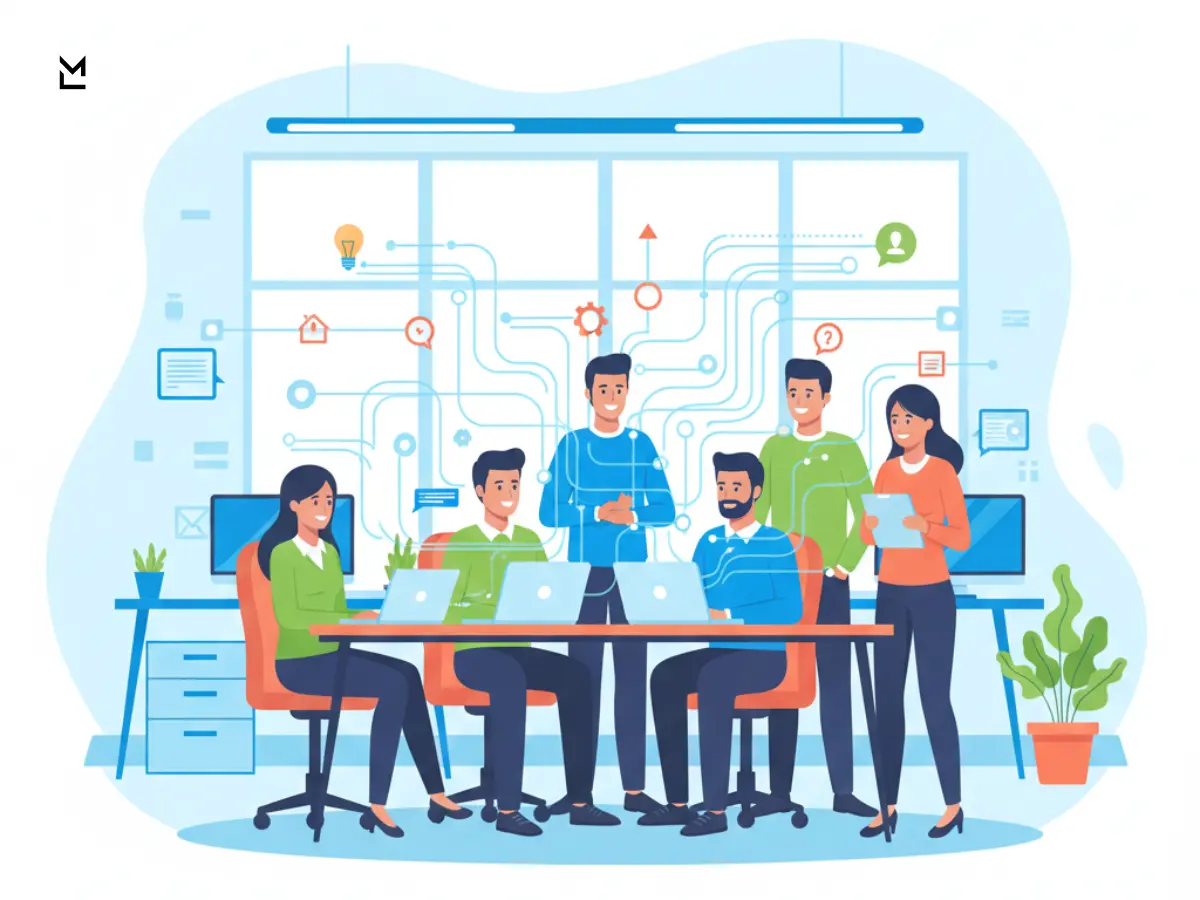
A smart knowledge management system paired up with some real AI smarts keeps the whole team on the same page. New joiners get up to speed way faster, team members can easily go back over what's been said, and managers make better decisions because they've got all the facts at their fingertips. And when you combine AI-generated notes with the kind of productivity tools everyone uses, work just flows and morale stays high.
Every project is a chance to learn from what you did and how you could do it better next time. AI-generated notes help teams spot patterns, see how things are going and improve productivity. When you're good at passing on information to each other, you can build on the things you've learned in the past and avoid making the same mistakes over and over.
MinutesLink turns every meeting discussion into a living document that your team can refer to and learn from. You can review action items, dig out some useful insights and even find solutions to problems you hadn't thought of before. And that keeps your organisation's knowledge fresh, useful and easily accessible to anyone who needs it.
When you've got people working from all over the place, good information can easily get scattered and lost. But AI-generated meeting minutes keep all the key stuff in one place, so everyone can easily refer back to what you talked about, what got agreed and what’s next. It makes life easier for everyone involved, reduces stress and keeps teams focused on the things that matter.
With a system that makes a real effort to keep your meetings and workflow on track, knowledge actually gets used and makes a real difference. AI tools keeps your team connected, productive and confident that nothing important will fall through the cracks.
When it comes to writing meeting minutes, the goal is to get down on paper the most important bits of what was discussed to make sure everyone knows what was decided and what needs to happen next. Start by jotting down the date, who was there, and what was on the meeting agenda. Next, try to distill the key points, decisions, and action items into a clear and concise summary. You don't need to write down everything - just the essence of what was said. Tools like MinutesLink can make the process a lot easier by turning conversations into easily referenced, structured meeting minutes. Good minutes reduce confusion, hold people accountable and make sure nothing important gets left behind. Using familiar software such as Microsoft Word or Google Docs can help with online sharing and collaborative editing, ensuring that meeting minutes are accessible to all relevant users in a timely manner.
Knowledge transfer in management is all about sharing the important stuff that one person might know but nobody else does. This is done by making sure that key insights and expertise aren't locked in just one person's head but are available to anyone who needs them. It's a powerful tool for making better decisions, getting new team members up to speed faster and keeping teams from making the same mistakes over and over. Managers use all sorts of document, processes and digital tools to make this process work smoothly but you can also use AI-powered solutions like MinutesLink to capture discussions and turn them into real knowledge that can be used later. Integrating knowledge management systems and learning management systems helps organizations improve quality and foster continuous development.
Action items are the actual tasks that get assigned during a meeting or project that need to get done in order to reach a goal. Each action item should include a clear description of what needs to be done, who is responsible and when it needs to be done by. They take the decisions made during a meeting and turn them into real action, which helps teams stay on track and accountable. Without properly documenting action items, projects can get derailed and things can fall through the cracks. Using AI to generate meeting notes is a good way to make sure action items are being tracked, assigned and looked at by the whole team. Tools that include task management and time tracking features can further support this process.
When it comes to choosing the right productivity tools, it's all about what your team needs and how you work. Start by thinking about what tasks you need to make more efficient - whether that's communicating with each other, keeping track of projects or just note-taking. Look for tools that are easy to use and integrate well with what you already have as well as tools that support collaboration and don't add extra noise to your workflow. Once you have your tools, set up clear process for using them so that people know what to do and how to use them. Tools like MinutesLink can automatically capture meeting notes and action items which can save a lot of time and make everyone's life easier. Integrating with other apps such as Google Calendar and various management systems creates a seamless workflow that improves productivity and decision making.
A decision support system, or DSS, is basically a digital tool that helps teams and managers make better decisions by gathering, analyzing and presenting all the relevant information. It takes information from multiple sources, applies analytics and sometimes uses AI to give you insights that inform your strategy. A good DSS can really cut down on uncertainty, save a lot of time and make your decisions a lot better. In today's workplace, combining a DSS with knowledge management and productivity tools like MinutesLink makes it so that you can rely on solid facts and easily accessible information rather than just guesses or memory.
Trusted & Secure


.webp)


.webp)
.webp)
.webp)
%201%20(2).jpg)