Written with help from MinutesLink - free AI meeting notetaker for online meetings.
Written with support from MinutesLink — a free AI notetaker for online meetings.
We all know the mental load is a real thing - it's the energy and effort it takes to keep track of what needs to be done, when it needs to be done by, and all the info flying around in the office. In too many workplaces, staff members are juggling their own projects, meeting agendas, community expectations - and then some - without any systems in place to help them manage that invisible labour. Employees are constantly switching between major projects and tiny, seemingly insignificant tasks that still demand energy. Even trying to remember what the heck was talked about in the last meeting can be a real brain-drain.
The pressure it does come up is when managers keep expecting consistent progress and success, without a clue that all those little tasks are killing workers. When staff members are carrying the weight of storing ideas, writing things down by hand, and trying to keep it all in their heads for the next meeting, what you get is reduced employee satisfaction. That lack of satisfaction builds into mental fatigue, and before you know it, you end up with burnout.
Meetings are meant to be a team effort, a way to get everyone on the same page, but most of the time they just feel like a source of stress. Workers will try to contribute some insightful ideas, but when the whole team can't even figure out who's doing what, and what needs to get done, people just walk out feeling lost. Managers expect teams to plan like pros, but without clear meeting minutes or a solid action plan, people feel like they're just spinning their wheels.
This uncertainty really gets to employee satisfaction more than most bosses think. Employees just want to feel like their time is valued, that their job is something worthwhile, and that they can keep on top of things without going crazy. But when meetings fail to hand out clear tasks or address the important stuff directly, staff members just can't stay engaged. When that keeps on happening, people get less and less satisfied, and that starts to hurt company productivity.
Tiny tasks might seem like no big deal on their own, but the cumulative effect is what really wears you down. Remembering a tiny idea, juggling a million different projects, trying to keep track of every tiny detail - it all adds up. And when managers assume that teams just magically handle all that behind-the-scenes work without any support, you end up with a whole lot of unnecessary stress.
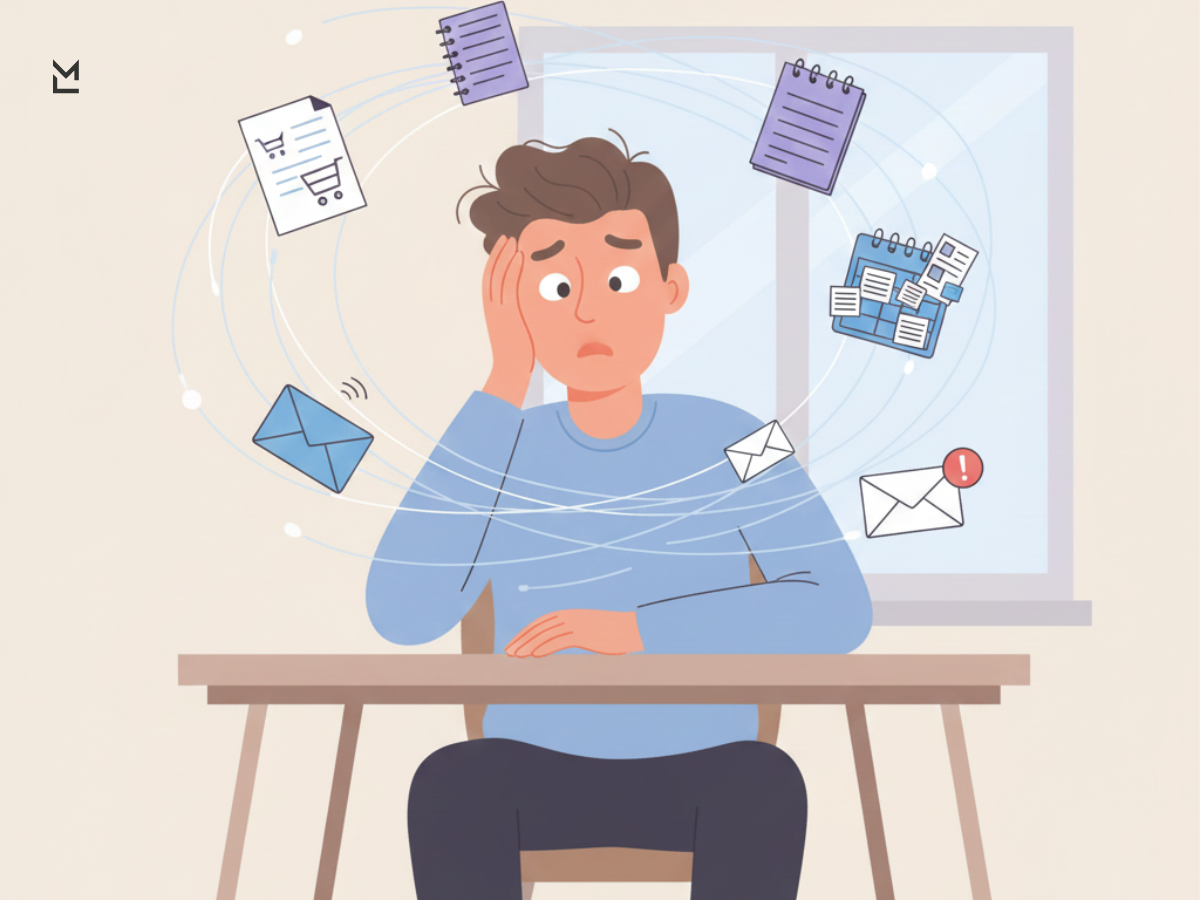
It's especially true when group members are working on a million different projects, trying to make sense of something that's already senseless. Even just remembering your grocery list or your tasks outside of work adds to the mental clutter. When people are juggling all that and trying to keep track of their work responsibilities at the same time, stress levels just skyrocket. Before long, all that stress and mental fatigue just consumes you.
For example, meal planning and creating shopping lists are invisible tasks that add to the mental load, especially when combined with work responsibilities. These certain tasks, while often overlooked, are crucial in managing both personal and professional life effectively.
AI meeting notes offer a way out. Instead of having each person write down every single thing that was said, and then try to track down all the action steps, AI tools do it for you. That means no more mental weight, no more trying to remember every single conversation.
With AI handling all that, progress becomes way easier to track, and nobody has to feel responsible for storing the whole meeting in their head. That means they can focus on the actual work, rather than just trying to keep up with the day-to-day tasks. Employees can be more focused, projects move faster, and everyone's just a little bit less stressed.
Action plans are a pretty simple yet powerful tool for cutting down stress during the workday. Employees feel way better when they know what's coming next and can see how all the little tasks fit into the bigger picture. AI tools help make good action plans by breaking everything down into clear, actionable steps and assigning specific tasks with due dates.
With a solid plan in place, motivation goes way up, too. When everyone knows what they need to do and why it matters, people are way more likely to achieve the desired outcome. And when a company uses AI to help with all that organization, employees just start to feel way more supported. Satisfaction rises gradually because workers can see the benefits of improved structure, communication, and clarity.
Teams that use AI for meeting notes see a huge difference almost right away. Managers can easily go back over previous conversations, figure out what needs to be addressed at the next meeting, and communicate expectations way more clearly. Employees feel more involved, and less overwhelmed.
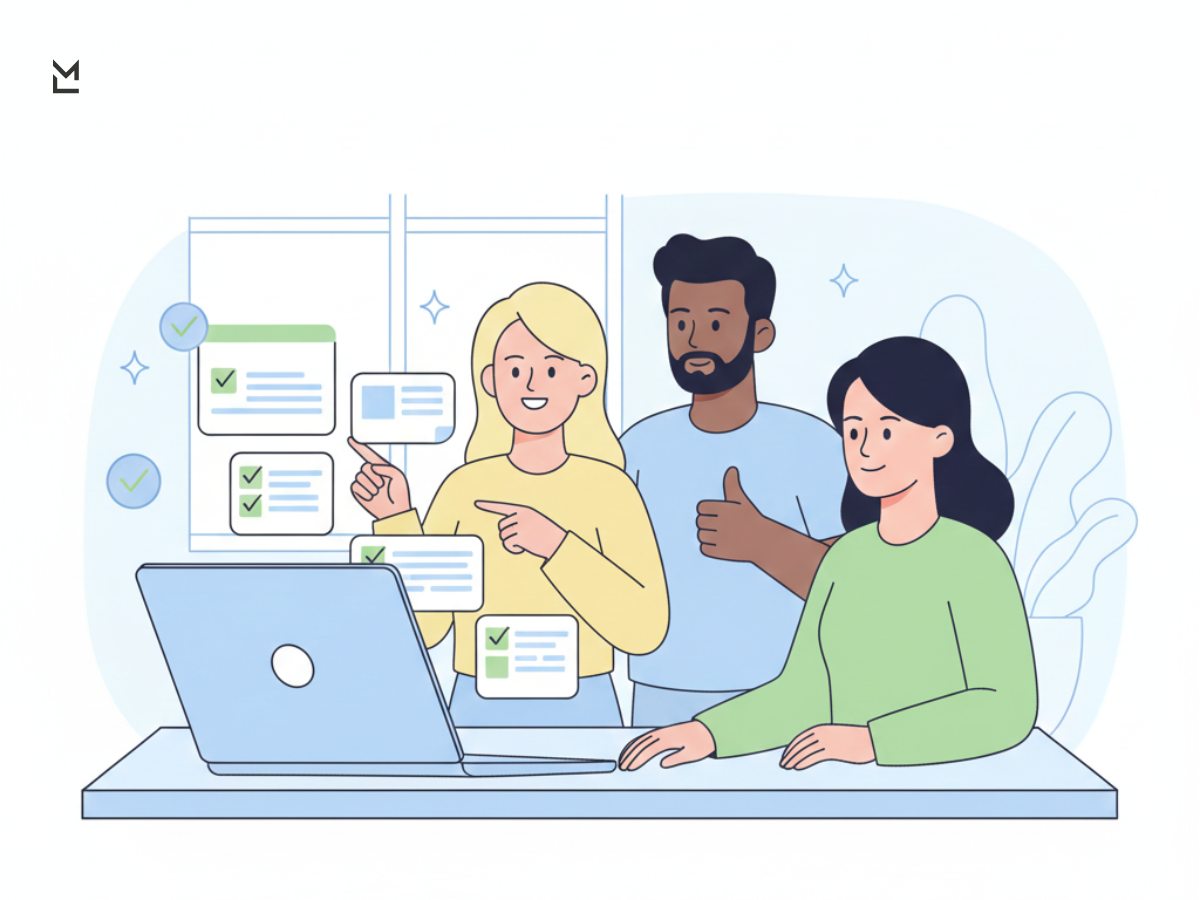
Minuteslink is a big part of this process. With smart note-taking that picks out the important bits, summarizes all the action steps, and assigns responsibilities, the platform really helps companies cut down stress and give employees the mental space they need to make better decisions. It helps teams stay aligned without everyone having to carry a huge mental burden.
Employee wellbeing is way more than just physical comfort - it's about stability in the head, a support system that's got your back, and a sense of direction that makes coming to work feel worthwhile. AI tools can be a real game-changer when it comes to creating a workplace where people really get what they're supposed to be doing and where they don't feel like they have to be some kind of organizational expert.
With less stress and a whole lot more clarity - you'd expect people to be a lot happier & that makes sense - it's just natural that things get better when you're not drowning in a sea of to-do lists and organizational info that you've got to keep track of yourself. Even the tiny thing of being able to check a clear set of meeting minutes goes a long way - it takes a load off to know you don't have to worry about forgetting something important.
People end up feeling more at ease, getting on with their work, working more effectively & actually being more committed to the long run.
When employees no longer have to worry about missing something in a meeting, they can focus 100% of their attention on the discussion. That leads to much better group dynamics and allows people to contribute ideas that might otherwise get lost in the shuffle. And let's face it, when you're not worried about missing something, you feel way more present than you do distracted.
The psychological payoff is pretty immediate: you feel supported, not overwhelmed. And when people feel supported, they get a confidence boost that lets them stay calm even when things get crazy at work. Plus, having a clear system in place gives you mental clarity, which makes you way more motivated and focused over time.
Managers often find themselves up to their eyeballs in trying to organize multiple projects, assign tasks in a way that makes sense, and keep an eye on progress. But with AI-powered meeting notes, they get a system that can actually track action steps, store important info, and highlight what needs more attention. That makes it way easier for managers to give feedback that actually means something, guide their staff in a way that helps them grow, and offer support where it's really needed.
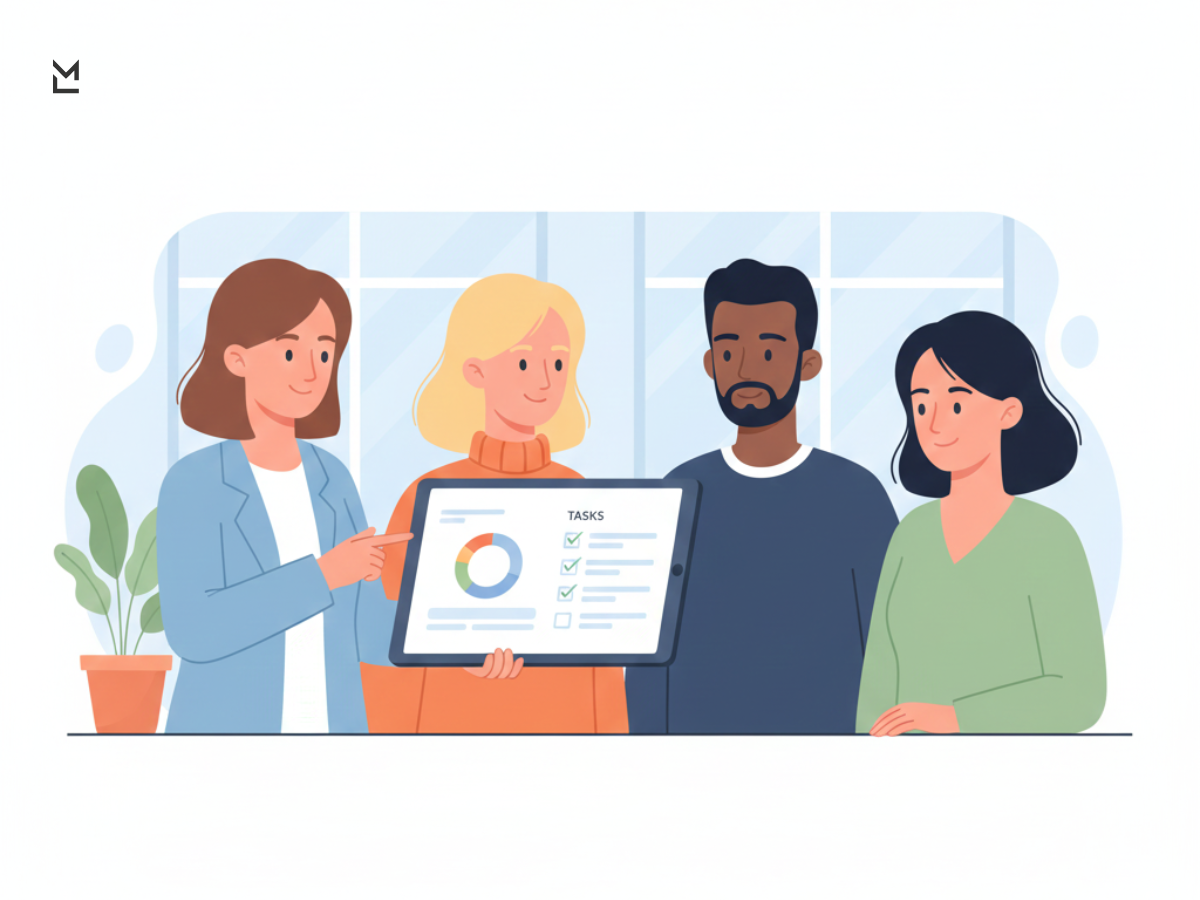
When managers review project details or just get a sense of how the team is functioning, they can actually build stronger relationships with their staff. And when staff feels seen, heard and supported, that's a big plus for the whole workplace. When tools come along that simplify the day-to-day stuff, good management gets a whole lot easier.
When you're feeling overwhelmed or completely unclear about what's expected of you, your motivation tends to tank. But when you've got a clear plan, you're way more likely to stay engaged. And when you don't have to worry about what you need to do next, you can actually focus on the work at hand. And that's where AI tools come in – they give you a super-clear idea of what you're supposed to be working towards.
That clarity helps in meetings, where people can actually stay focused, come up with new ideas, and remember what the business objectives are. And that's when motivation starts to kick in – when people feel like what they're working on actually matters.
When you're working with a big team, you really need some kind of system that can keep track of tasks, progress, and responsibilities. Without that, it's easy to get lost in the shuffle and forget what needs to get done. But with AI tools that can track all that for you, you can actually focus on getting the work done.
With AI monitoring action steps and storing feedback, people can focus on delivering results. It's a system that keeps teams stable even when things get crazy, and that's a huge plus. And when teams feel supported, and not overwhelmed, that's where you start to see some real satisfaction – and some real success.
Miscommunication is way more common than we'd like to think, and a lot of the time it comes down to not having clear meeting minutes or shared expectations. But AI tools can actually help avoid those problems by making sure everything gets stored accurately. And when people have access to that information, they can review it, get a sense of what was decided, and even prepare for the next event.
When communication is clear, relationships around the office get way stronger. People feel more secure in their roles, and managers feel way more confident when guiding their teams. And that's the kind of balance that really helps with long-term employee satisfaction.
When you don't know what's expected of you, or when you're not sure what the end game is, stress is the first place you'll go. And that's where AI comes in – by laying out clear tasks and responsibilities, it makes it way easier to stay on top of things. Plus, when you've got a clear plan, you can actually focus on getting the work done.
Clarity like that doesn't just help you get more done, though – it also helps you feel way more supported and confident. And that's a big plus for your wellbeing. When you're not worrying about what you need to do next, you can take on the rest of your life outside the house with confidence.
Reviews are an essential part of any business, and AI makes the whole process a whole lot easier. Instead of relying on people's memories, you can actually go back and review conversations, analyze progress, and identify areas that need a little extra attention. That's a big plus for decision-making – and it's even better for employees, when they know their work is being reviewed fairly.
When feedback is based on clear notes and action steps, it's way harder to get defensive. And that's a big plus for the whole workplace – trust is way stronger when you can see exactly how things are being evaluated.
When you're not spending every waking moment trying to keep your head above water, you can actually take care of the rest of your life outside the office. And that's where AI comes in – by reducing the cognitive load, it makes it way easier to find that balance. And when you can do that, your energy levels go way up. You can focus on family, or personal goals, or just the simple things in life, without feeling drained all the time.
This balance isn't just good for your personal life, though – it's also way better for your wellbeing. You feel healthier, more motivated, and more satisfied in every area of your life.
When you're organised, good things happen. Projects start to move more smoothly, business objectives get easier to hit, and managers feel way more confident when guiding their teams. And staff members feel way more empowered to contribute.
Minuteslink is one tool that helps make all that happen – by using AI to track tasks, organise ideas, and assign responsibilities with ease. It's a really helpful approach that helps companies save time, stay clear, reduce stress, and support their staff in meaningful ways.
As companies grow, and projects get way more complex, employees need systems that can keep up. And that's where AI meeting notes come in – they're a practical solution that lets workers save time, get organised, and communicate more clearly. And when you've got all that going on, you can actually reduce stress by eliminating all that invisible labor, tracking action steps, and supporting every phase of the work process. When an organisation starts using these tools, its members tend to feel way more satisfied employees with their work, way more motivated to tackle new challenges and they also get a sense that they're not alone, that they've got a support system backing them up. The long term benefits of this are pretty clear though: healthier working relationships, better overall progress, and a workplace where people can really flourish rather than just burning out.
Think of an action plan as your team's GPS - and I mean that literally. Its main job is to get rid of the wild guessing and turn all those vague ideas you hashed out in a meeting into crystal clear, measurable action steps. It answers the three big questions for every team member: 'what's supposed to happen', 'who's on it?' and 'when is the deadline?'. And, you know, a solid action plan is basically the best way to reduce your anxiety, keep tabs on progress, and make sure the team hits the desired outcome without wasting time on guesses.
A meeting agenda is your focus filter in action. A good agenda isn't just a list of topics; it should make it super clear what you're aiming to get out of each item. Instead of 'Budget Review', try 'Budget Review: Decide on Q3 spending limits and assign tasks so we can get moving on that'. Always build it around three things: the topic, the person who's supposed to lead the discussion, and the kind of action you're looking for (e.g. discuss, decide, or review). This way, everyone knows what to expect and will stay on track.
Measuring employee satisfaction? It's basically all about creating a safe space where people can give you honest feedback - and don't just stop at surveys! You can track it by:
The mental load is the exhausting, unseen stuff that your brain is doing all the time - the constant background thinking about what needs to be done, when it needs to be done, and all the tiny tasks you need to remember - from important project deadlines to who's buying coffee next week. It's what drains employees even when they're not actively doing a task. With AI, you can finally get that mental load off your plate and focus on the fun stuff.
Organisational hacks are just simple changes that free up mental energy for you and your team. Here are two that work like a charm:
Trusted & Secure


.webp)


.webp)
.webp)
.webp)
%201%20(2).jpg)